History & Heritage
Explore Korea’s fascinating history and heritage — ancient fortresses, heroes like Admiral Yi, and the stories behind timeless traditions.
-
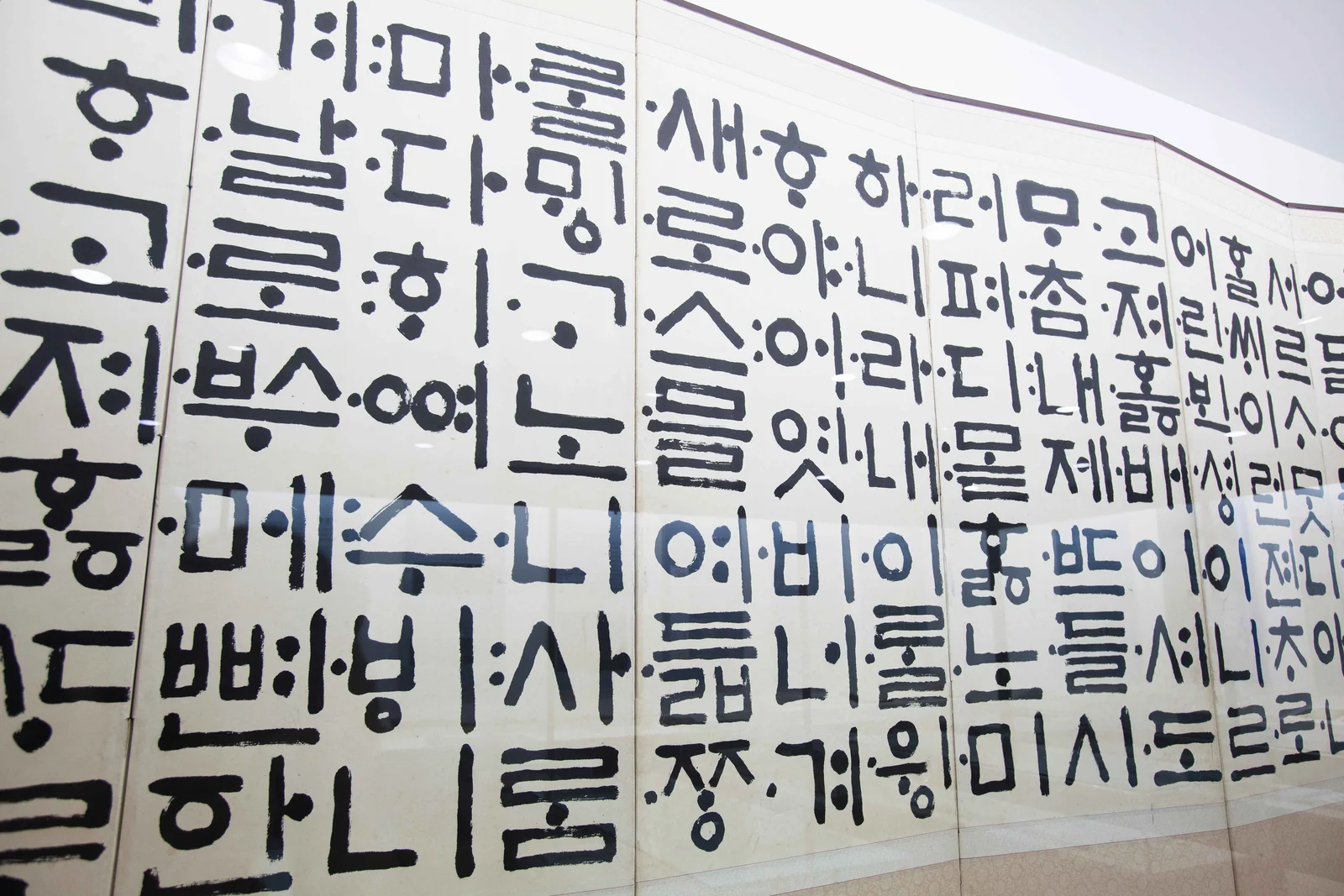
Why Does Hangul Have 24 Letters When King Sejong Made 28?
Quick Answer (TL;DR) The alphabet promulgated in 1446 had twenty-eight letters. Korean today uses twenty-four. Nobody pruned the other four for being badly designed. Three faded out as the sounds they stood for disappeared from ordinary speech, over several centuries. The fourth kept its sound and lost its shape, merging into another letter. The last…
-
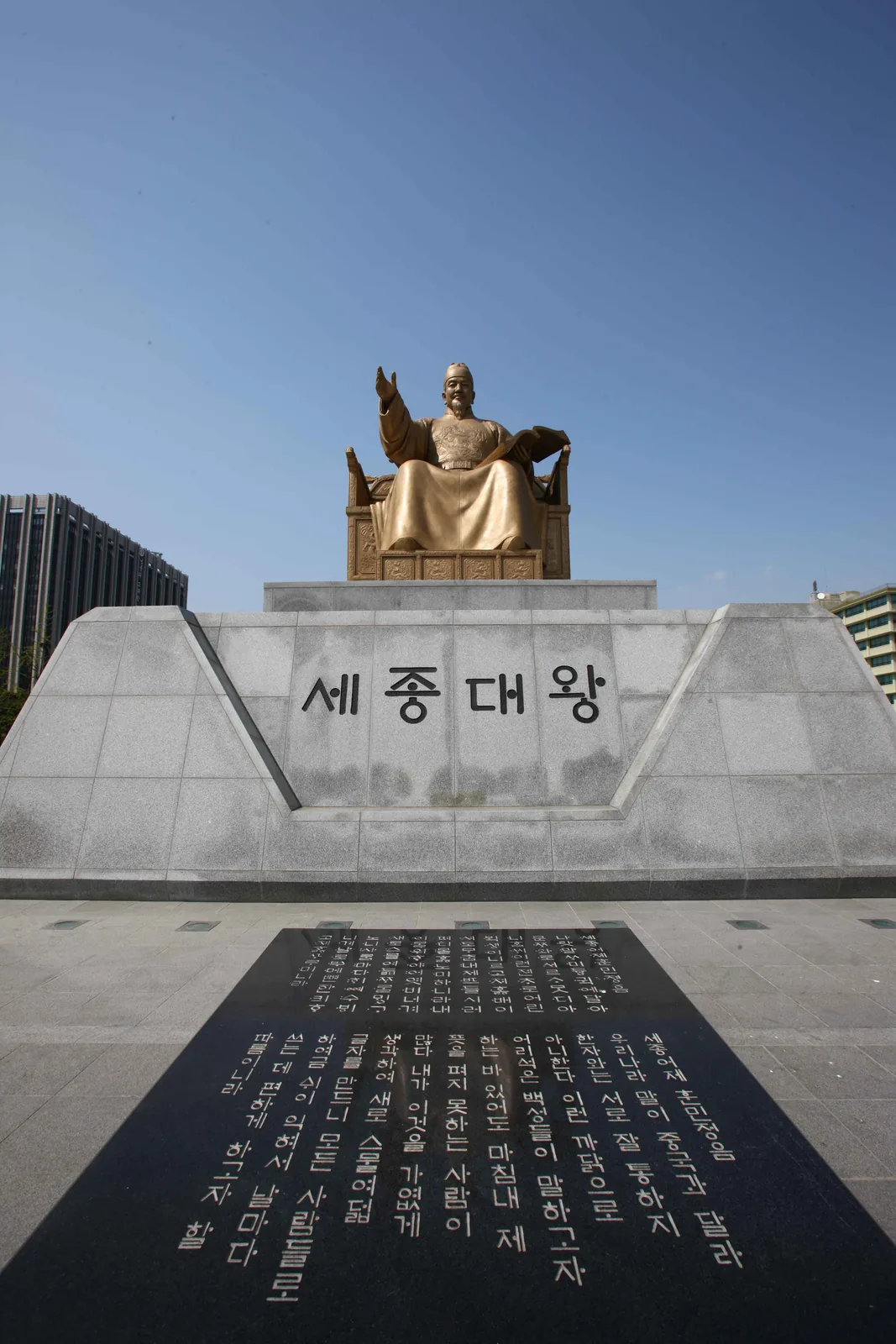
Why Does Korea Give Everyone a Day Off for Its Alphabet?
Quick Answer (TL;DR) October 9 is Hangul Day, a public holiday marking the 1446 publication of the Hunminjeongeum, the document that introduced the Korean alphabet. Korea treats that date as the moment ordinary people were finally given a way to read and write. Very few countries give a writing system a national holiday of its…
-
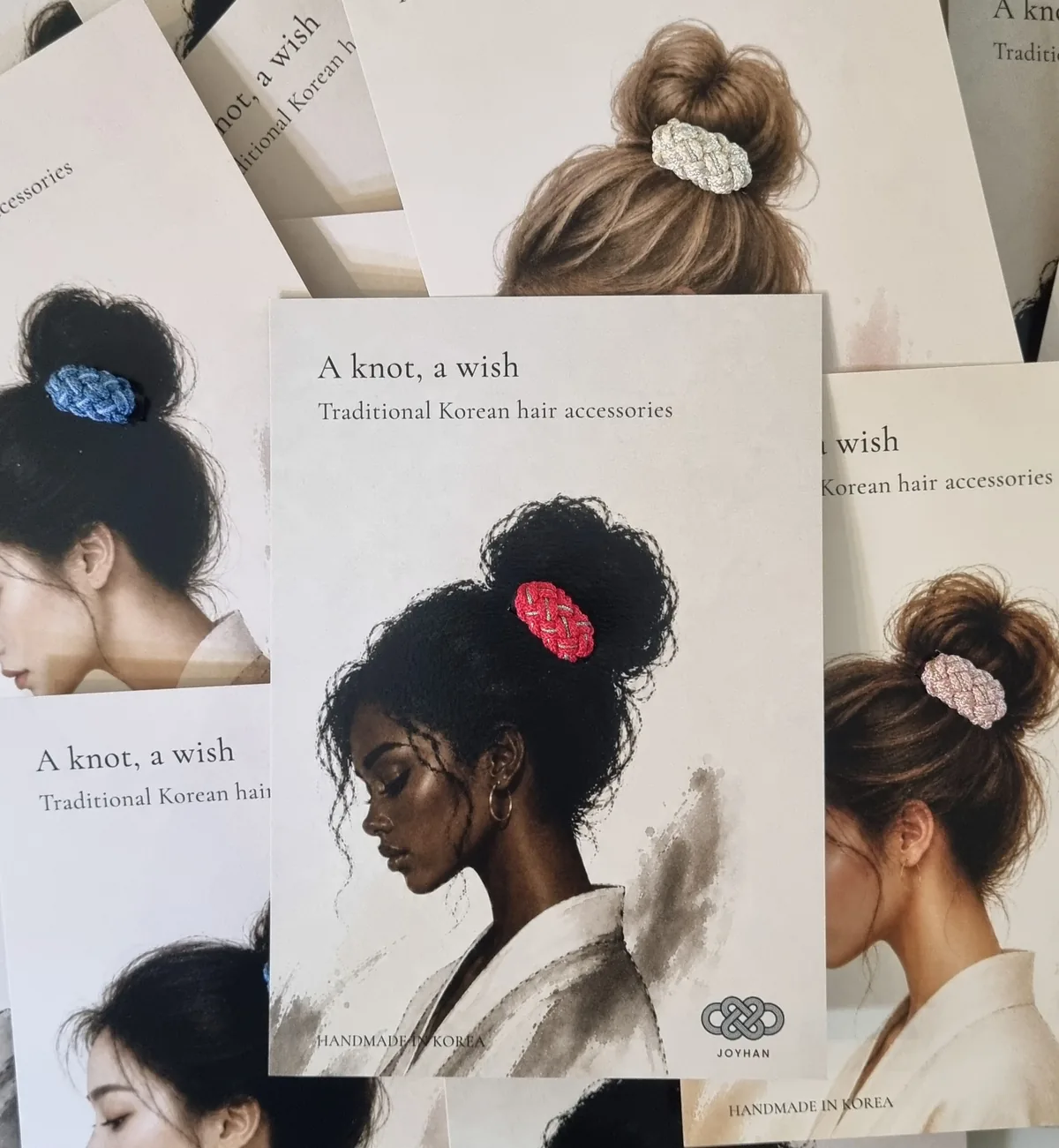
What Did Korean Women Put in Their Hair? From Daenggi to the Modern Maedeup Hair Tie
This article is part of my series on Korean Traditional Crafts and Symbols. Quick Answer (TL;DR) In Joseon Korea, your hair told strangers whether you were married. An unmarried woman wore a single long braid tied with a red ribbon called a daenggi (댕기). A married woman wore her hair pinned into a bun, secured…
-
What Is a Norigae? The Korean Lucky Charm You’ve Seen in K-Dramas
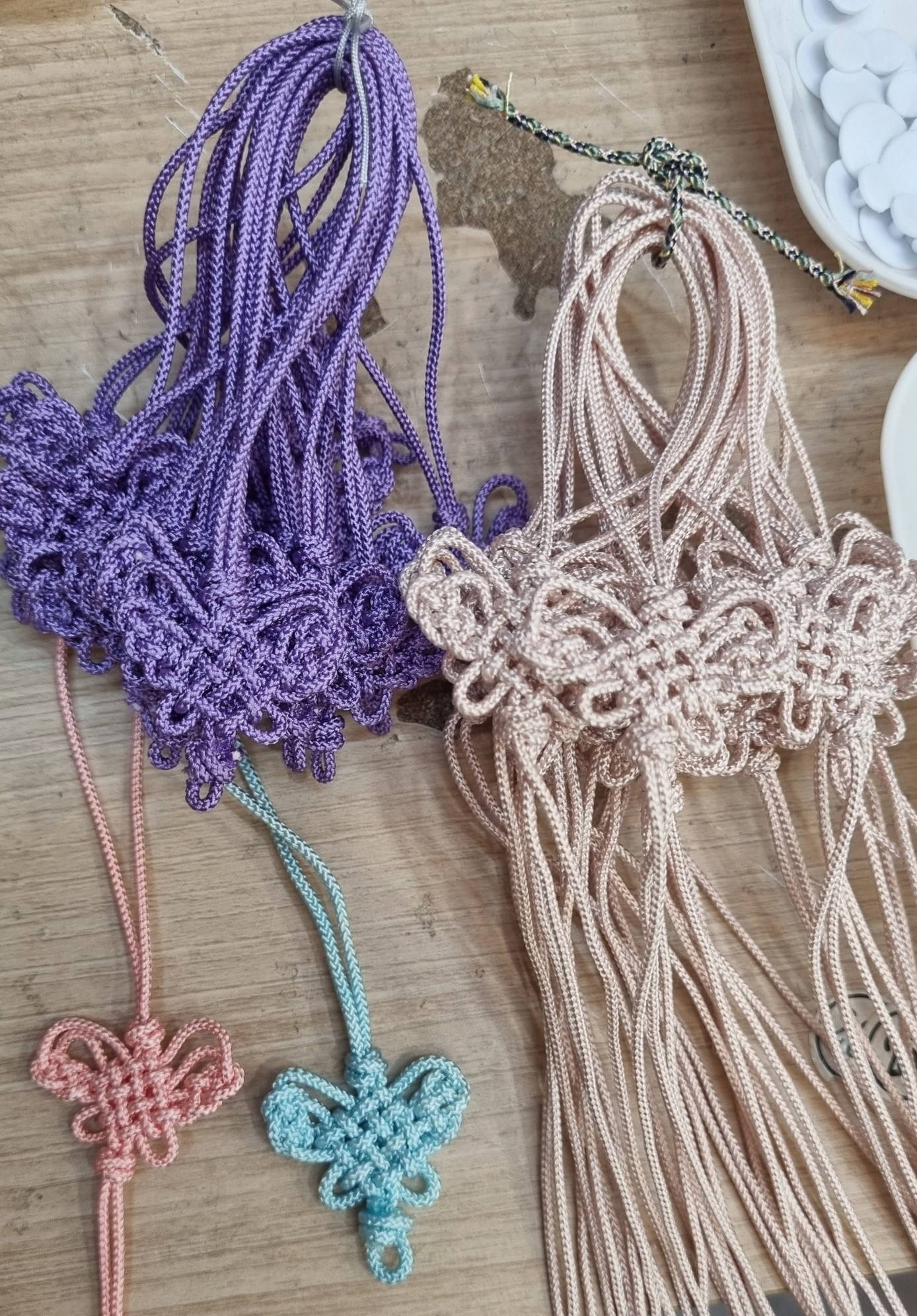
This article is part of my series on Korean Traditional Crafts and Symbols. Quick Answer (TL;DR) A norigae (노리개) is a traditional Korean decorative pendant worn on hanbok — the pendant you’ve seen swaying from the tie of a woman’s jacket in every Korean period drama. Korean dictionaries list a second meaning for the word:…
-

What Is a Korean Knot Bracelet? History and Meaning of Maedeup
Quick Answer (TL;DR) A Korean knot bracelet is a modern form of maedeup (매듭) — the traditional Korean art of decorative knotting that dates back over 1,500 years. Each knot is tied from a single cord into a precisely symmetrical shape, and every design carries a specific meaning: luck, protection, love, or longevity. The Korean…
-
What Does Arirang Mean? (The Story Behind BTS’s Album Title)
What Does Arirang Mean? The word “Arirang” itself is a mystery—even Koreans don’t have a definitive answer. Some linguists believe that in ancient Korean, “ari” meant “beautiful” and “rang” meant “the one,” making “Arirang” translate to “my beloved one.” Others suggest “ari” conveyed deep longing, rendering “Arirang” as an expression of yearning for something both…
-
Bon Appétit, Your Majesty: The Real Tyrant King Behind It
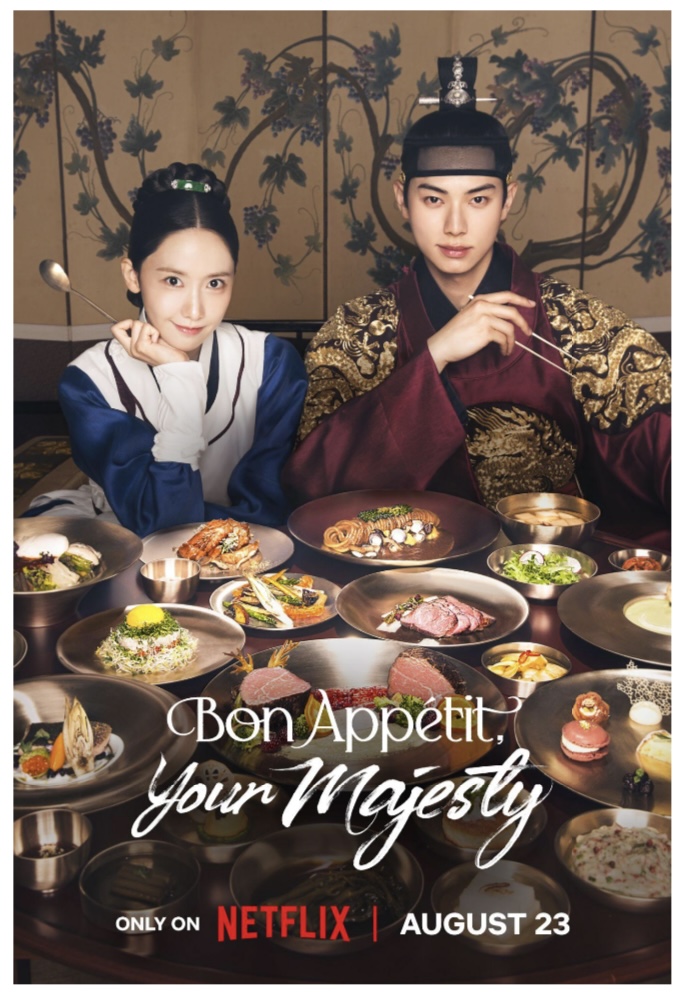
A Drama That Conquered the World : Bon Appétit, Your Majesty When the Netflix K-Drama “Bon Appétit, Your Majesty” (Korean title: “폭군의 셰프”) hit #1 in 93 countries, one question dominated viewer discussions across Reddit, Twitter, and TikTok: Is this K-Drama based on a true story? The short answer: Yes and no. While Prince Yeonhui,…