
Food & Life
Experience Korean life through its food and customs — kimchi, kimbap, seasonal rituals, and the everyday culture of sharing and community.
-

Does Korea Really Have Four Distinct Seasons?
What a Year in Korea Actually Feels Like This article is part of my series on Korean Seasons. Every guidebook about this country opens with the same line: Korea has four distinct seasons. Most visitors skim past it. Half the world has four seasons — what’s there to explain? Then they land in Seoul in…
-
Why Is Makgeolli Cloudy? The Story Inside Korea’s Milky Rice Wine
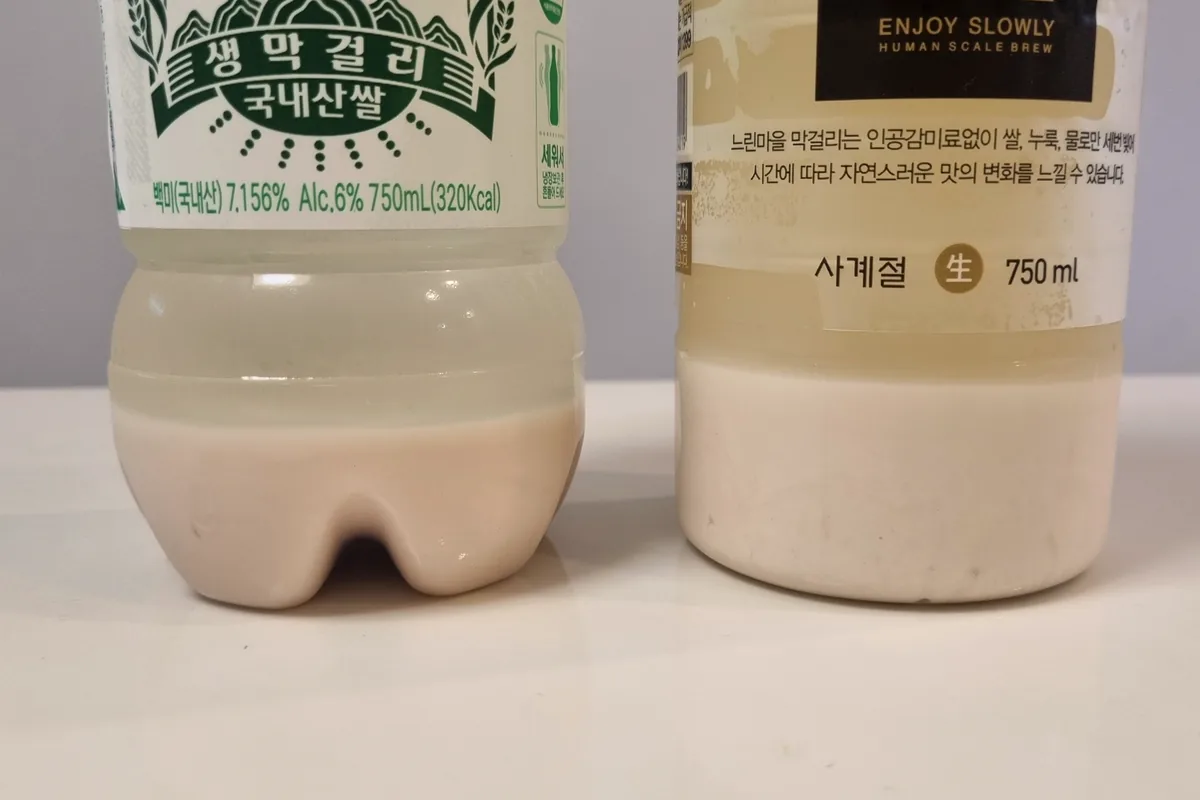
This article is part of my series on Korean traditional alcohol. Quick Answer (TL;DR) Makgeolli is cloudy because it is only roughly filtered. The haze comes from tiny particles of fermented rice, live yeast, and nuruk — Korea’s traditional fermentation starter — that stay suspended in the liquid. In fact, the name itself explains it:…
-
What Happened to Korean Traditional Alcohol?
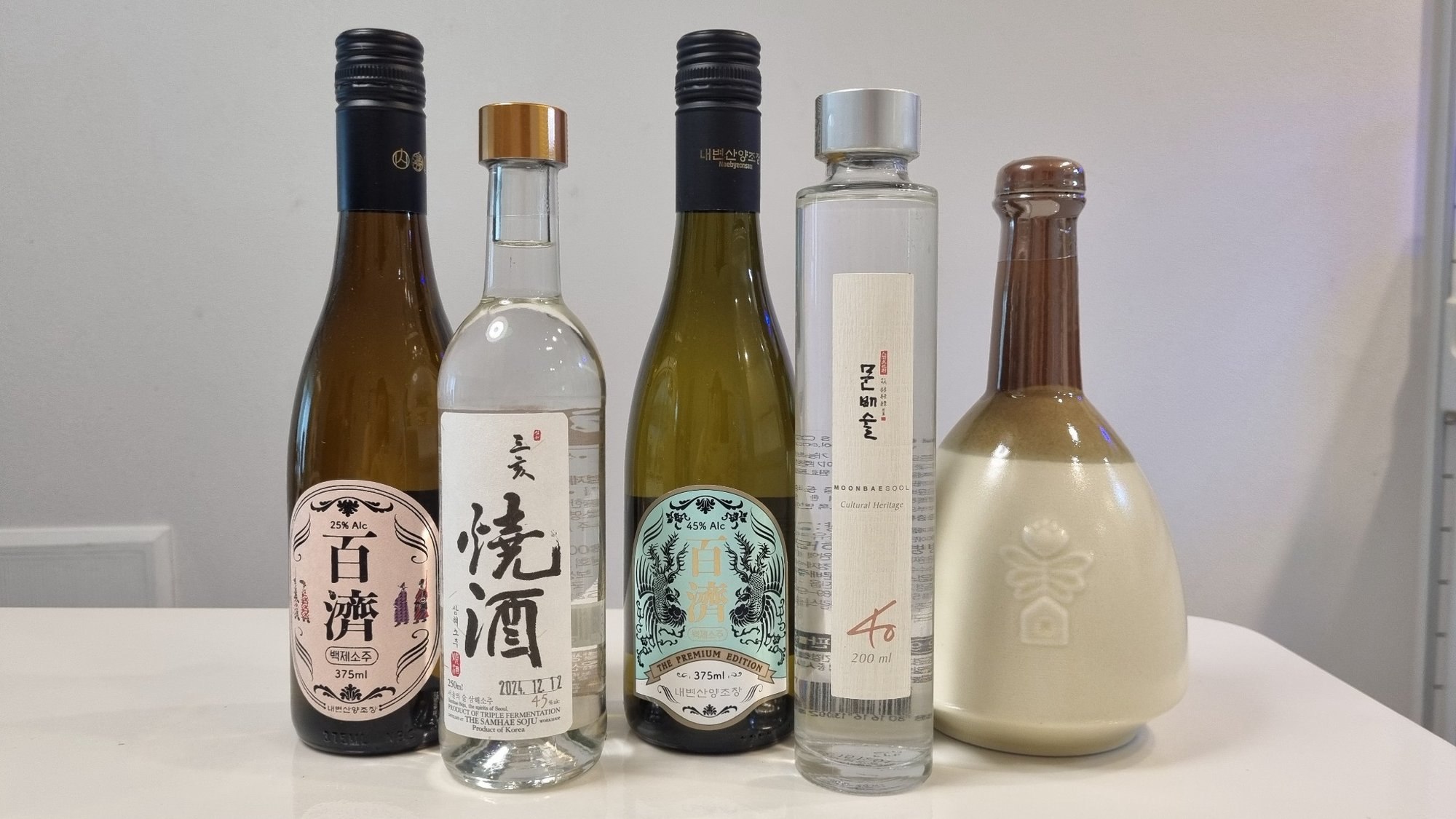
This article is part of my series on Korean traditional alcohol. Quick Answer (TL;DR) Korea once had hundreds of distinct traditional liquors, most of them brewed at home. That tradition was nearly wiped out in the 20th century — first by colonial-era liquor tax laws that banned home brewing, then by post-war rice shortages that…
-
Why Do Koreans Eat Samgyeopsal with Soju?
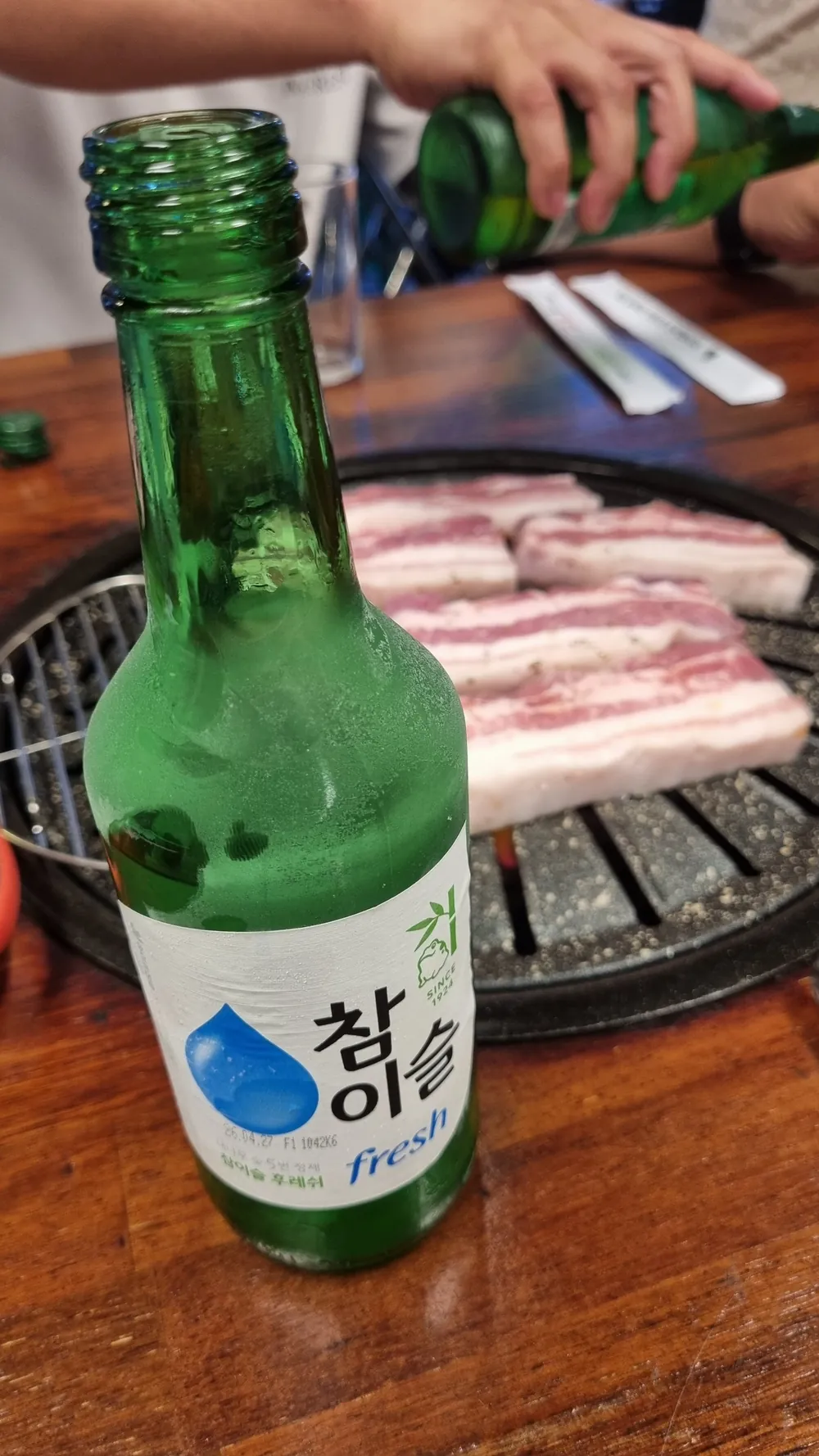
Quick Answer (TL;DR) Koreans pair samgyeopsal with soju because the two balance each other perfectly: the rich fat of grilled pork belly softens soju’s sharp alcohol bite, while the clean, neutral spirit cuts through the grease. But the deeper reason is historical. Both became cheap working-class staples in the 1960s and 70s, and they grew…
-
Why Is Soju So Cheap in Korea?
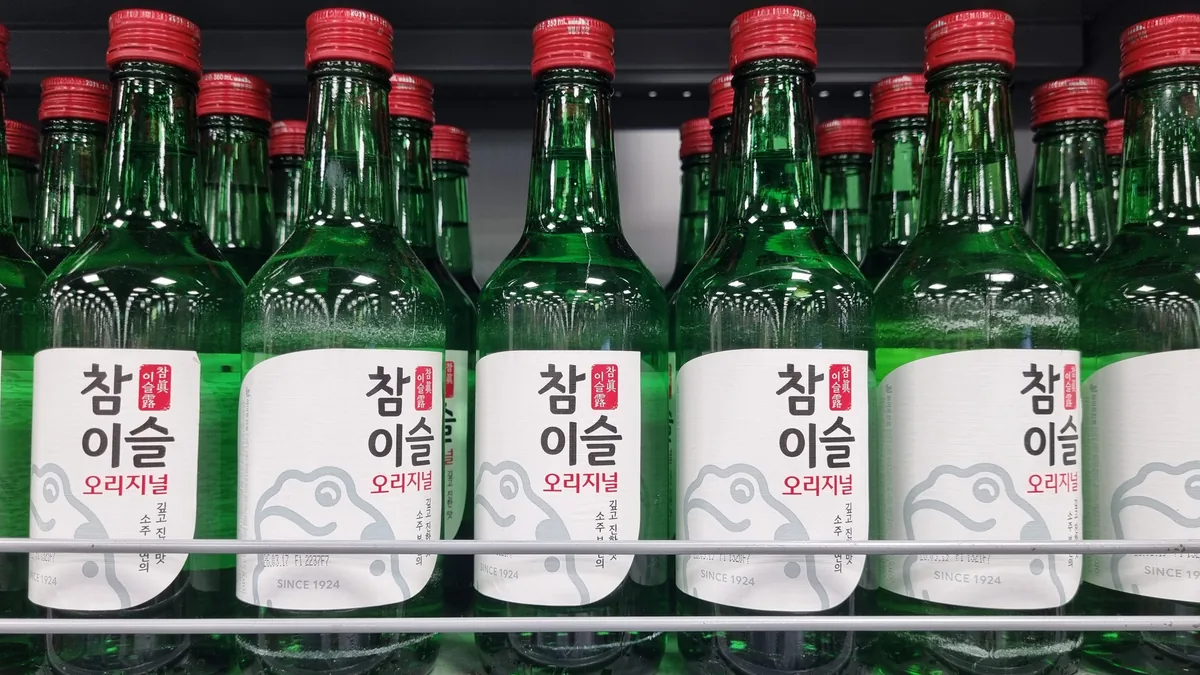
Quick Answer (TL;DR) Soju is cheap in Korea because of a combination of history and deliberate policy. After a rice shortage in 1965, the government banned using rice to make alcohol, and manufacturers switched to cheap industrial ethanol — drastically cutting production costs. Korea also taxes alcohol by product value, not volume, which keeps the…
-
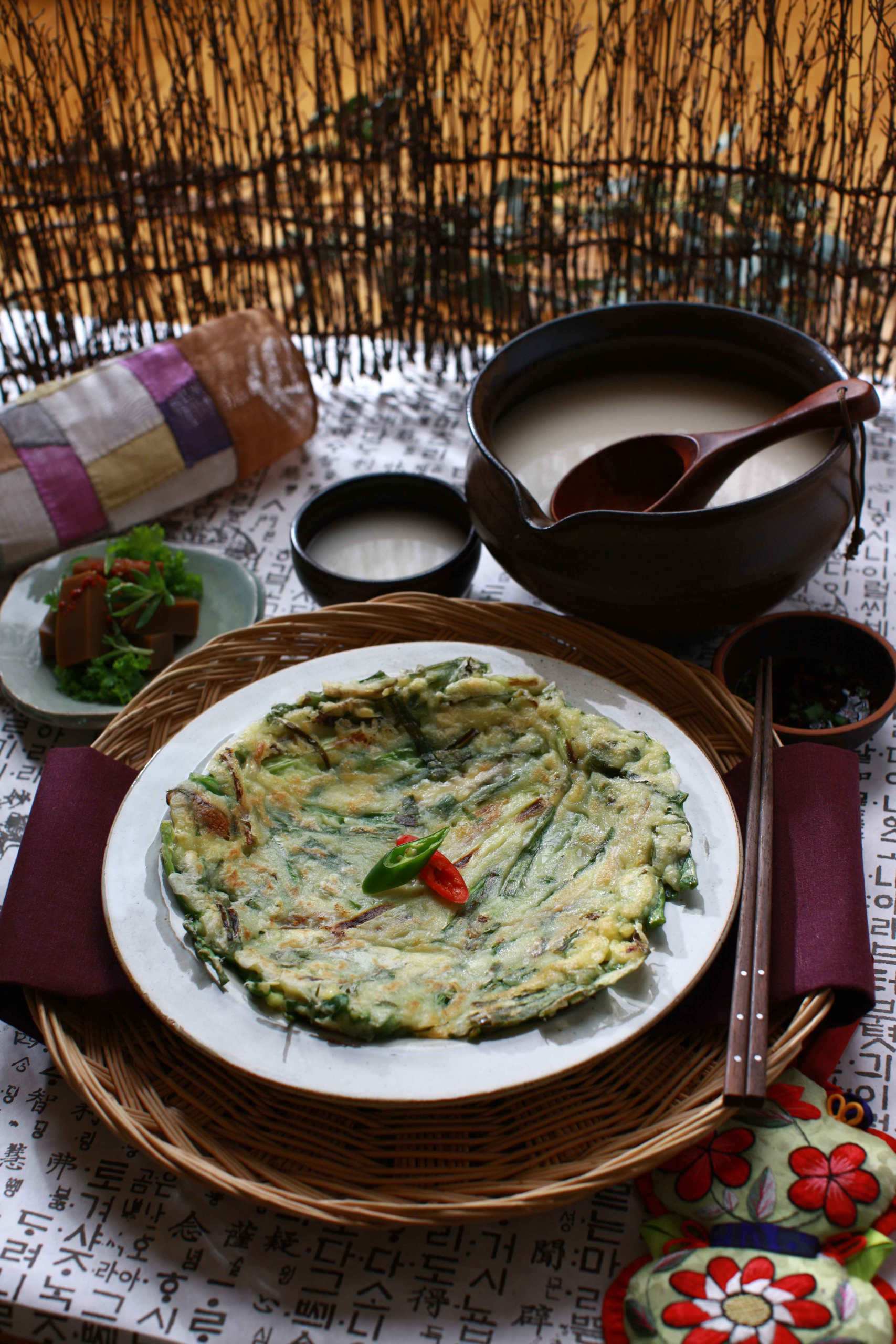
What Is Dotorimuk? The Korean Acorn Jelly Everyone Eats After Hiking
Quick Answer (TL;DR) Dotorimuk is a nearly flavorless jelly made from acorn starch—soft, cool, and slightly slippery in texture. The jelly itself tastes like almost nothing, with just a faint nuttiness and a subtle astringency. All the flavor comes from the dressing: sesame oil, soy sauce, garlic, and fresh vegetables. In Korea, it’s most famously…
-
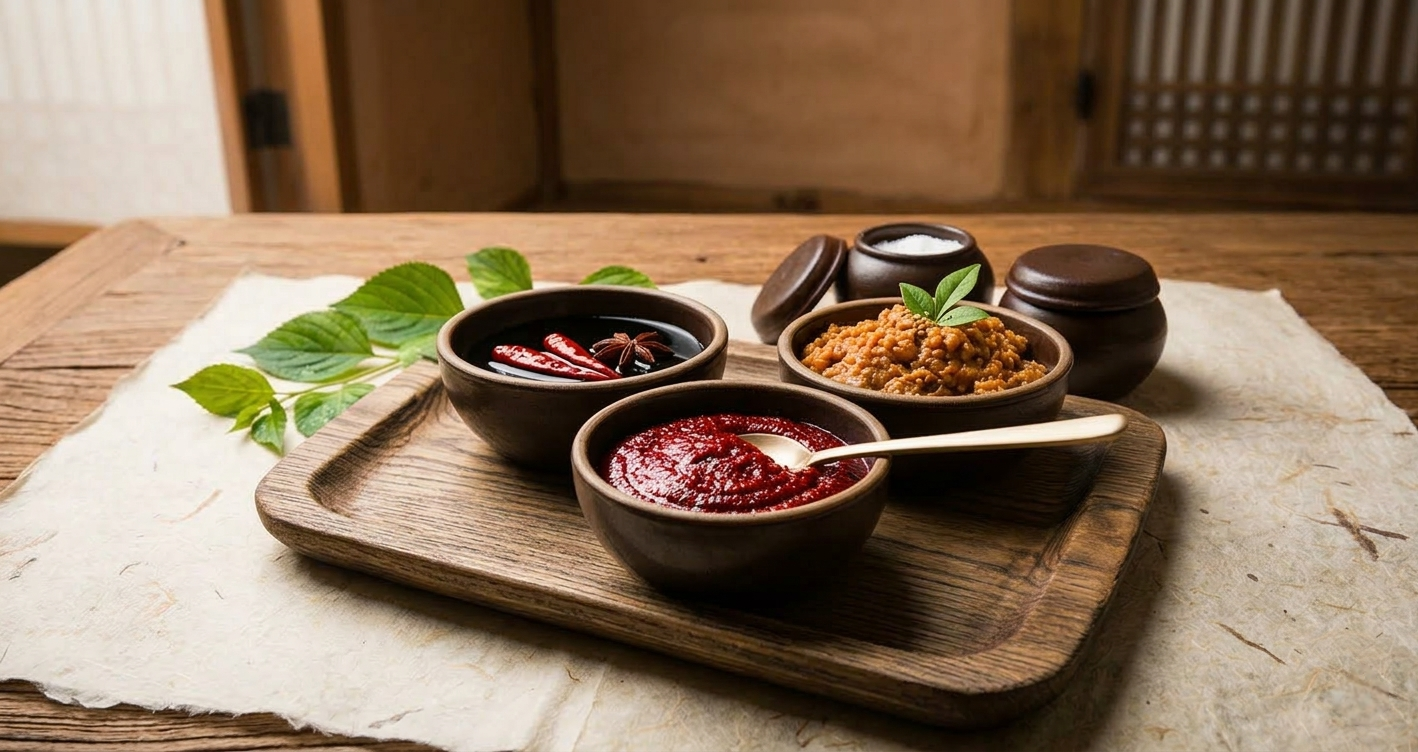
What Are Doenjang, Ganjang & Gochujang? Korean Sauces Guide
This article is part of my series on Korean Food & Daily Life. Quick Answer (TL;DR) If you’ve ever wondered what doenjang, ganjang, and gochujang are, you’re not alone… Korean cooking runs on three fermented sauces — and understanding them is the single most important step to understanding how Korean food actually tastes: These aren’t…
-
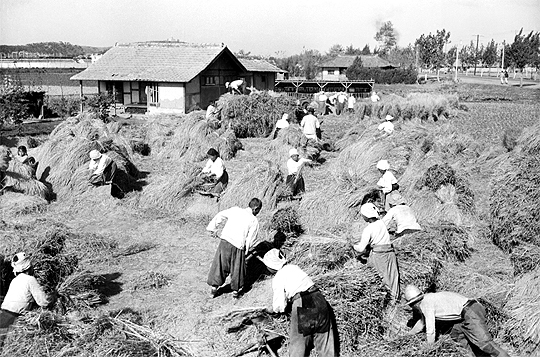
Is Korean Gosari Safe to Eat? Bracken Fern Toxicity & Preparation Explained
Quick Answer Gosari (고사리, bracken fern) contains ptaquiloside, a compound the WHO classifies as “possibly carcinogenic to humans.” Raw bracken has caused bladder cancer in cattle and appears in studies on gastrointestinal cancer in people who eat it daily without proper preparation. But Korean traditional methods—boiling young shoots for 10+ minutes, then soaking them in…
-
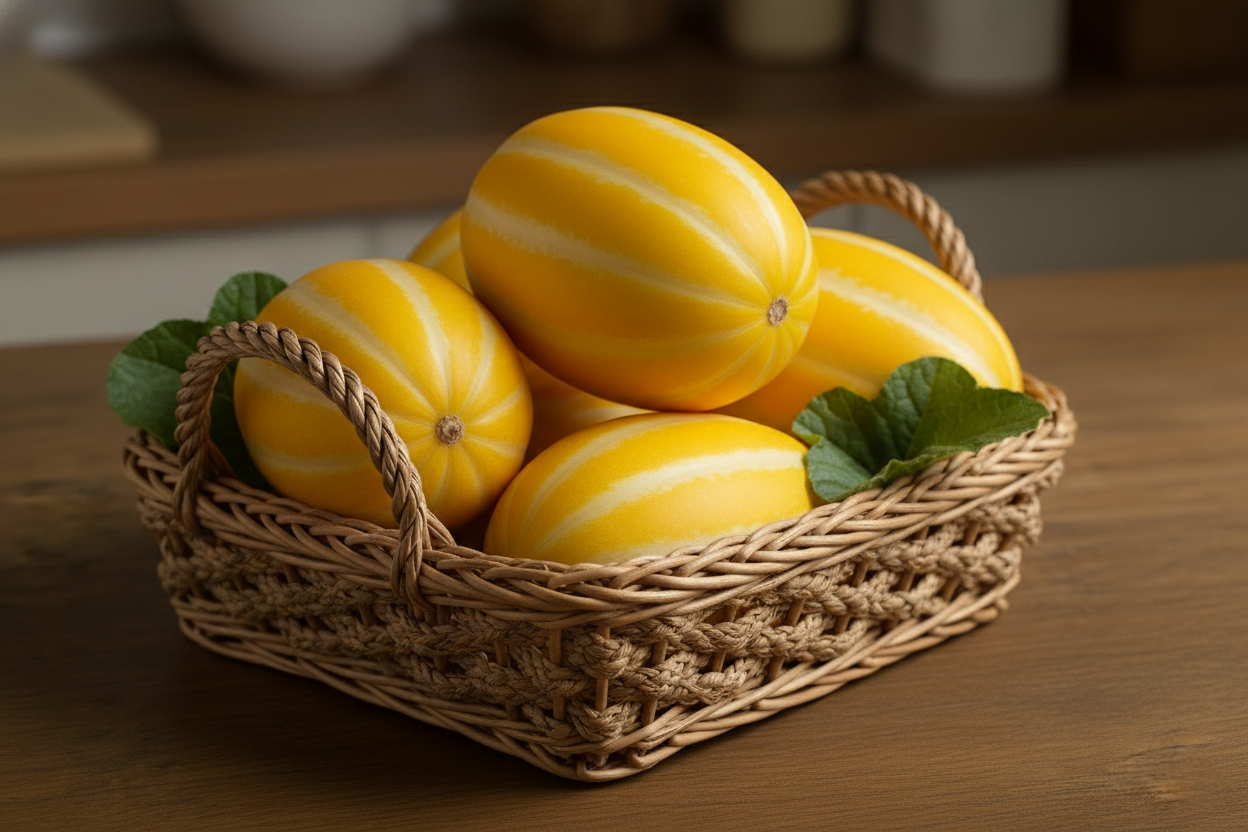
What Is Chamoe? The Korean Melon That Tastes Like Honeydew and Cucumber
Quick Answer (TL;DR) Chamoe (참외) is a Korean yellow melon that tastes like a cross between honeydew and cucumber. It’s eaten almost exclusively by Koreans because the West preferred sweeter melons, Japan switched to Western-style melons in the 1960s, and Korea spent 70 years perfecting it while everyone else moved on. The fruit is 90%…
-
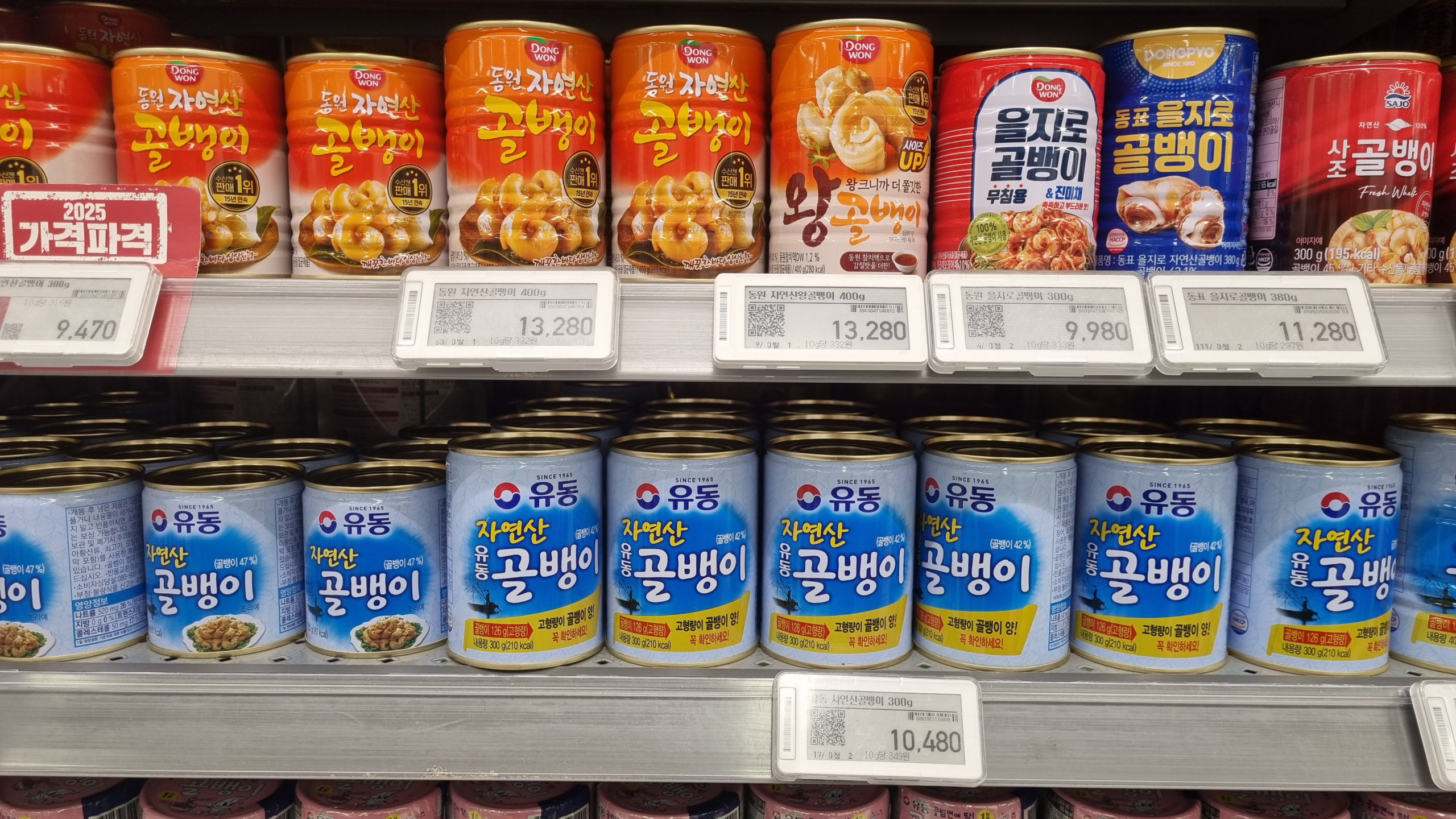
What Is Golbaengi? Korean Sea Snails British Fishermen Won’t Eat
Quick Answer Golbaengi (골뱅이) are Korean sea snails, specifically whelks, served as Korea’s most popular drinking snack. Here’s what makes them unusual: Korea imports 90% of its golbaengi from British fishermen who refuse to eat them, calling them “fishing bait” or worse—one Welsh fisherman who caught them for 20 years compared them to “grandmother’s toenails.”…