This article is part of my series on Korean traditional alcohol.
Quick Answer (TL;DR)
Korea once had hundreds of distinct traditional liquors, most of them brewed at home. That tradition was nearly wiped out in the 20th century — first by colonial-era liquor tax laws that banned home brewing, then by post-war rice shortages that banned rice itself from the brewery. Home brewing only became legal again in 1995, and the revival you see today is barely a generation old.
Why This Question Comes Up
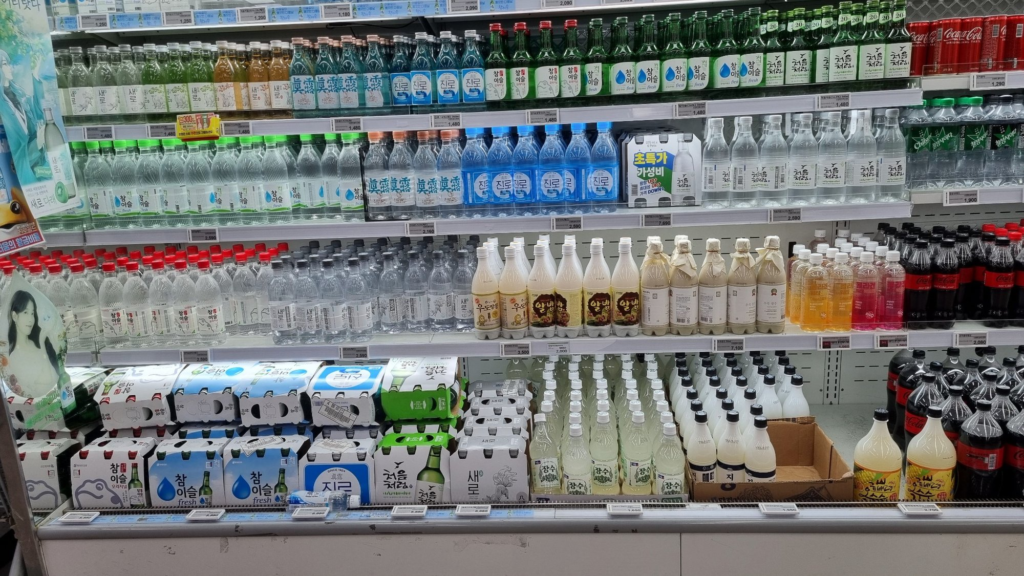
If you walk into any Korean convenience store, the alcohol section looks strangely uniform. Green bottles of soju. Plastic bottles of makgeolli. A wall of beer. For a country with thousands of years of brewing history, where is everything else?
Many visitors notice this gap. They read that Joseon-era Korea recorded over 300 named liquors — flower wines, herb-infused spirits, triple-brewed rice wines — and then they look at the green bottle in their hand and wonder what happened in between. The answer is not that Koreans lost interest. The answer is that, for most of the 20th century, making traditional alcohol was literally against the law.
The Cultural Context
Before the Laws: A Country That Brewed at Home
To understand what was lost, you first need to understand what existed. In Joseon-era Korea (1392–1910), brewing was a household art. Almost every family made its own liquor, a practice called gayangju (가양주), or “house-brewed wine.” Recipes were passed from mother to daughter-in-law, and serving good alcohol at ancestral rites or to guests was a matter of family honor. The base was always simple — rice, water, and nuruk (누룩), a traditional fermentation starter made of wild molds and yeasts. From those three ingredients, hundreds of regional and family variations grew.
1909–1934: Taxed Out of Existence
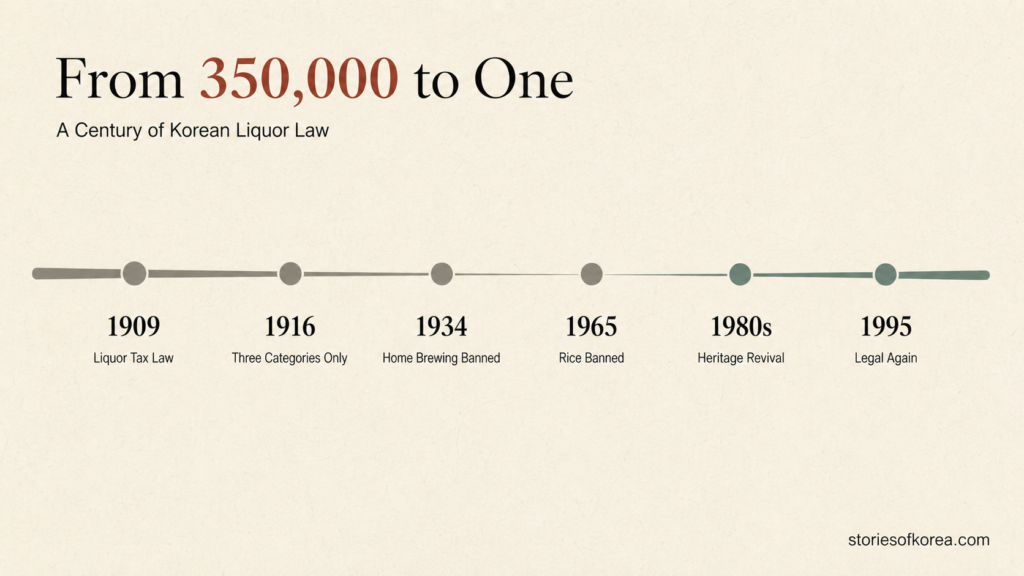
Then came the laws. In 1909, just before Japan forcibly annexed Korea, a liquor tax law was introduced. In 1916, the colonial government’s Liquor Tax Decree went much further. Every brewer now needed a license, and all alcohol had to fit into just three standardized categories: takju (cloudy rice wine), yakju (clear filtered wine), and soju (distilled spirits). Anything outside those boxes had no legal place to exist.
And this was no gentle transition. Home-brewed liquor carried deliberately higher tax rates than commercial products, and police enforced the licensing rules as criminal law. The numbers tell the story better than any adjective could: over 350,000 home-brewing licenses were on record around 1909. By 1931, exactly one remained. In 1934, the license category itself disappeared — the liquor a family had made for generations was now, by definition, illegal moonshine. Meanwhile, liquor taxes swelled to nearly 30 percent of the colonial government’s total tax revenue, its single largest source. A living culture had become a revenue stream.
Production shifted to licensed industrial breweries, many of which abandoned nuruk in favor of Japanese koji, changing the flavor of Korean alcohol at its very root. Recipes that had survived for centuries disappeared within a single generation, because nobody had ever written them down — they only handed them down.
1945–1965: Liberation, War, and the Rice Ban
Liberation in 1945 did not bring the old liquors back. The Korean War destroyed breweries and scattered the people who carried the knowledge. Then, in 1965, the South Korean government — facing severe rice shortages — passed the Grain Management Law, which banned the use of rice in alcohol production entirely. Distillers turned to sweet potatoes and tapioca, diluting industrial ethanol into the cheap green-bottle soju we know today. The very thing that makes soju so affordable now is a direct inheritance of this history.
1980s–Today: The Slow Return
The thaw came slowly. In the 1980s, ahead of the Seoul Olympics, the government began designating surviving traditional liquors as cultural heritage. Restrictions loosened through the 1990s, and in 1995, home brewing finally became legal again. After almost eighty years, Koreans could once more do what their great-grandmothers had done in their own kitchens.
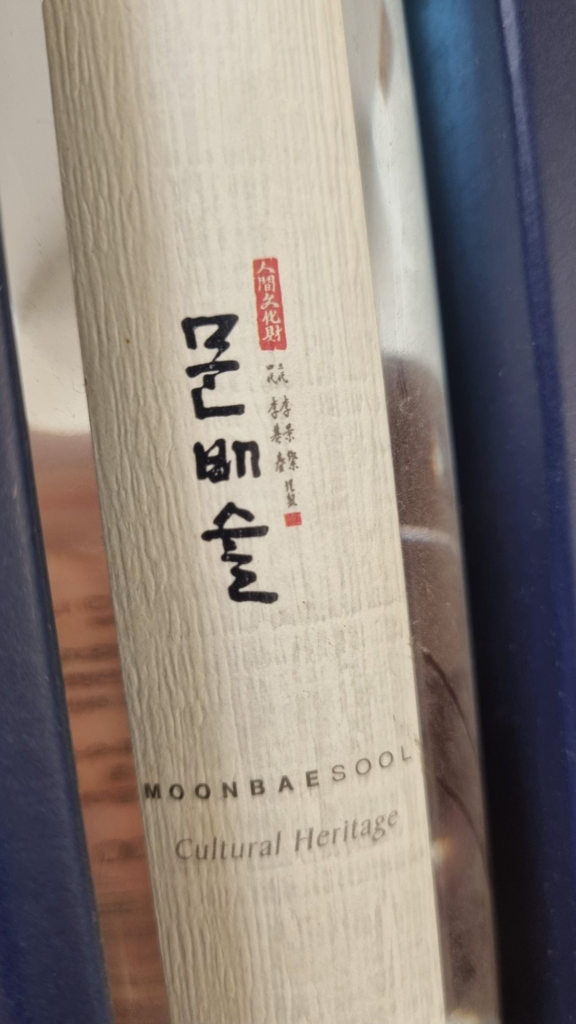
Today, that revival is gathering real momentum. Craft breweries across the country are restoring old recipes, and new traditional liquors appear every year — the variety will only keep growing. Even the three most celebrated liquors of the Joseon era — Igangju, Gamhongro, and Jukryeokgo — are being made again by designated masters. That revival deserves its own story, and I will cover it in a separate article in this series.
My Personal Experience
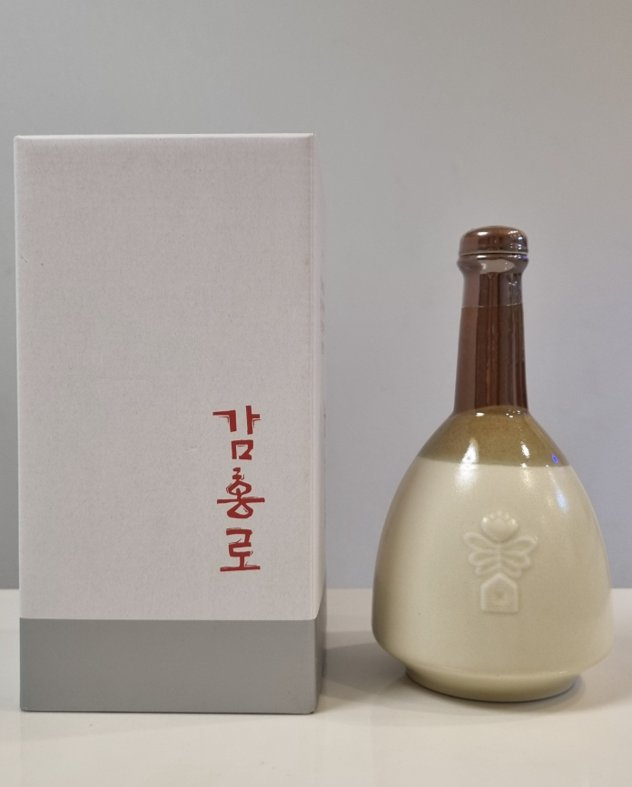
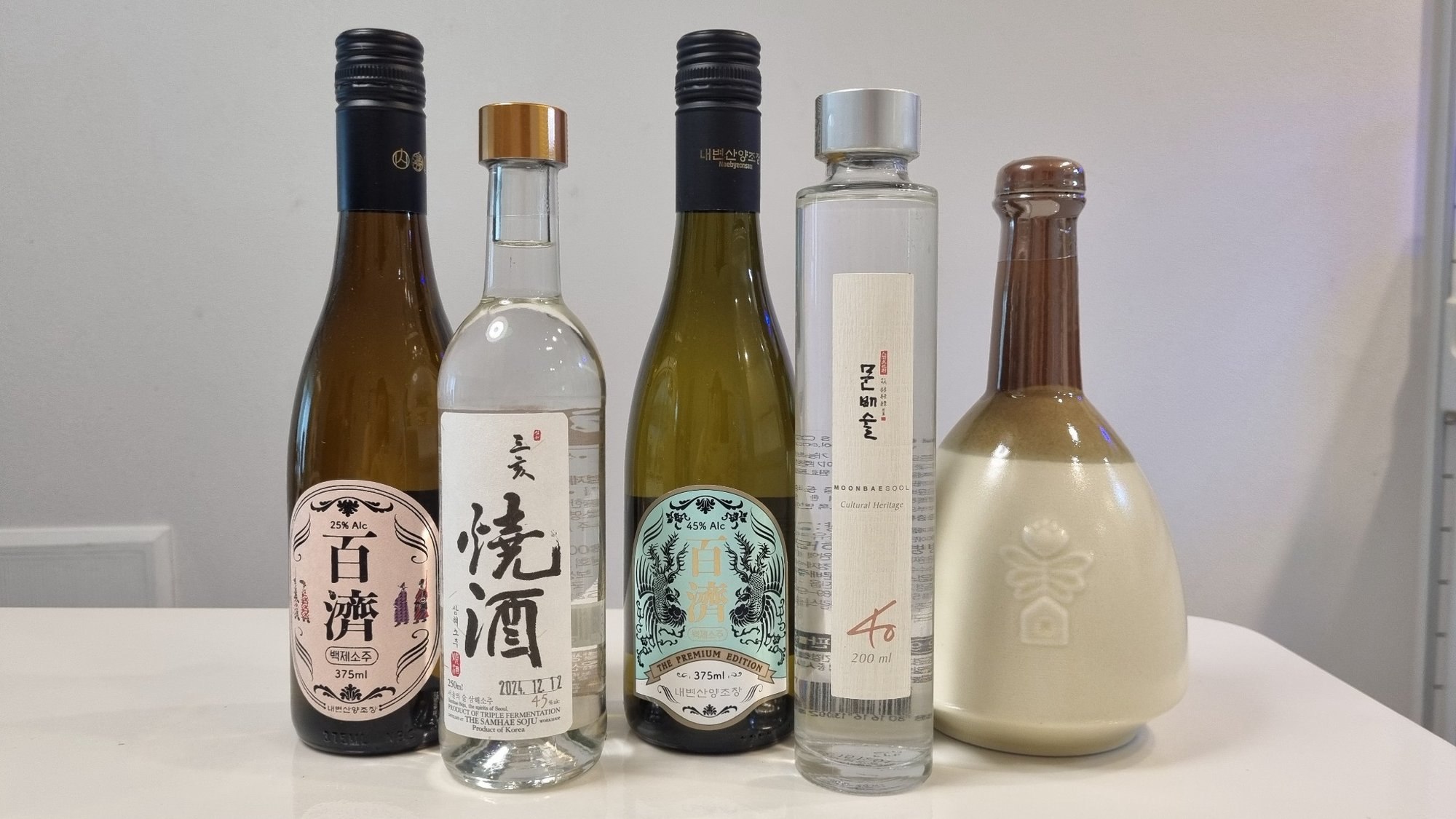
These days, one of my favorite small pleasures is simply tasting how much has come back. What I enjoy most is the sheer variety — after reading about all that was lost, there is something quietly moving about standing in front of a shelf, or a table, with a dozen different traditional liquors on it, each one made somewhere in Korea by someone who decided an old recipe was worth saving.
My favorite way to do this is at a drinks expo — in my case, the Seoul International Wines & Spirits Expo, where breweries from all over the country gather, from large producers to tiny family-run operations. You can wander from booth to booth with a small tasting glass: a flower-scented rice wine at one table, a bamboo-infused spirit at the next, a bold distilled soju after that. Brewers pour their own bottles and tell you where the recipe came from — sometimes an old family record, sometimes a document rebuilt line by line. One name that stayed with me is Pungjeong Sagye, a brewery whose four brews are named simply Spring, Summer, Autumn, and Winter — a name that fits this whole story of seasons returning. For me, walking those aisles feels like watching the revival described in this article happen in real time, one small glass at a time.
If you ever get the chance to visit one, take it. It is the fastest way to understand that “Korean traditional alcohol” is not one flavor but hundreds. I have my own favorites among the revived liquors — but those stories deserve proper attention, so I will save them for a separate article in this series.
Practical Tips
- Look for the word “전통주” (traditional liquor) on labels — these are the revived brews, distinct from mass-market soju.
- Try a brewery tour or class. Several places in Seoul teach traditional brewing in English, and making makgeolli by hand takes only one session.
- Taste nuruk-based and koji-based brews side by side if you can. The difference is the difference this article is about.
- Check the ingredients list. Rice-based, additive-free bottles are the closest descendants of the pre-colonial tradition.
Related Questions You Might Have
- Why Is Soju So Cheap in Korea? — The 1965 rice ban explains the price tag on that green bottle.
- Why Do Koreans Eat Samgyeopsal with Soju? — How two “commoner’s foods” became Korea’s favorite pairing.
- Why Is Makgeolli Cloudy? The Story Inside Korea’s Milky Rice Wine — The cloudy rice wine that survived it all.
Shared by Oldtree of Mindgrove
Stories of Korea © 2026