Quick Answer: What Does “Saja” Mean in KPop Demon Hunters?
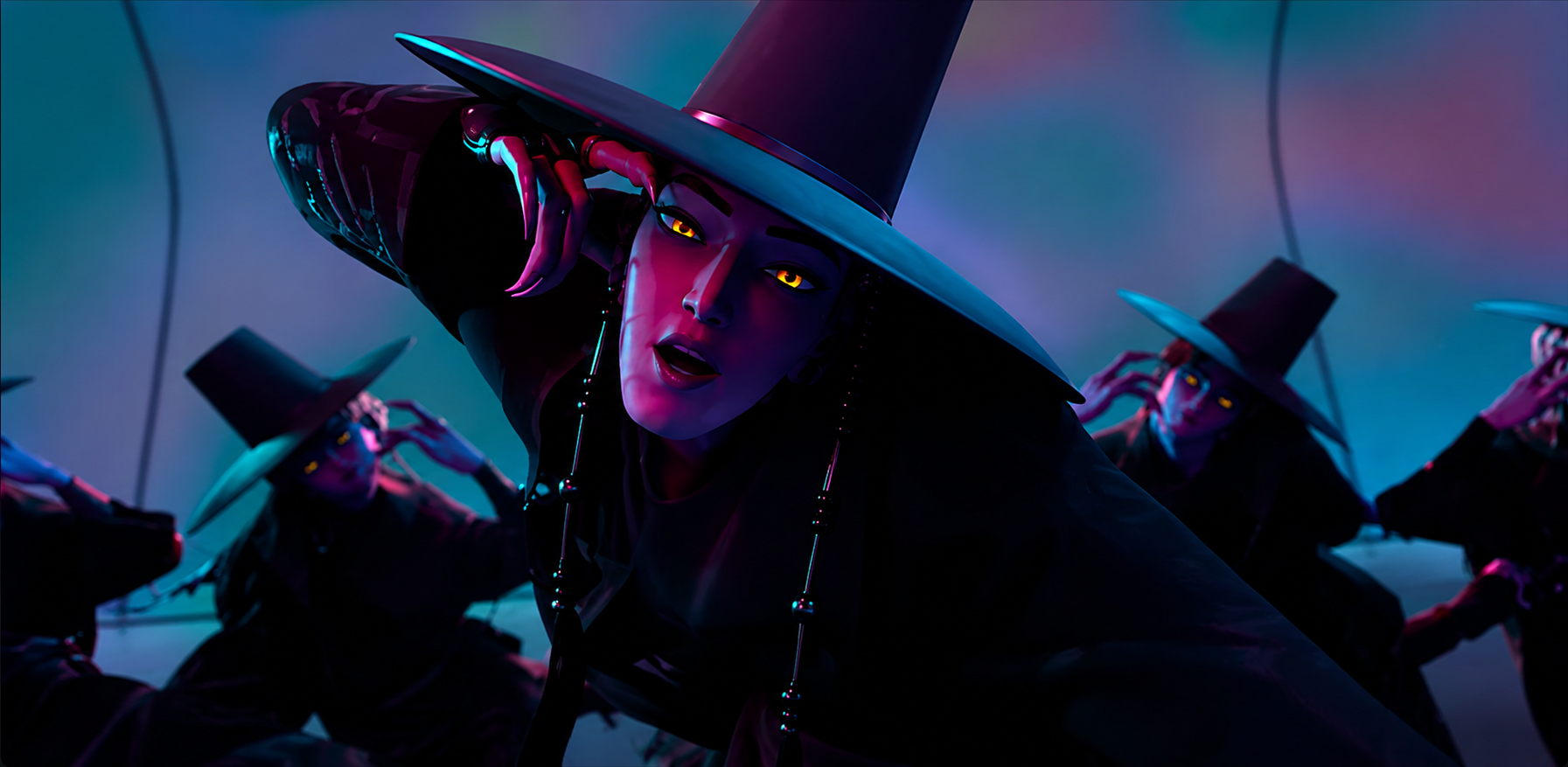
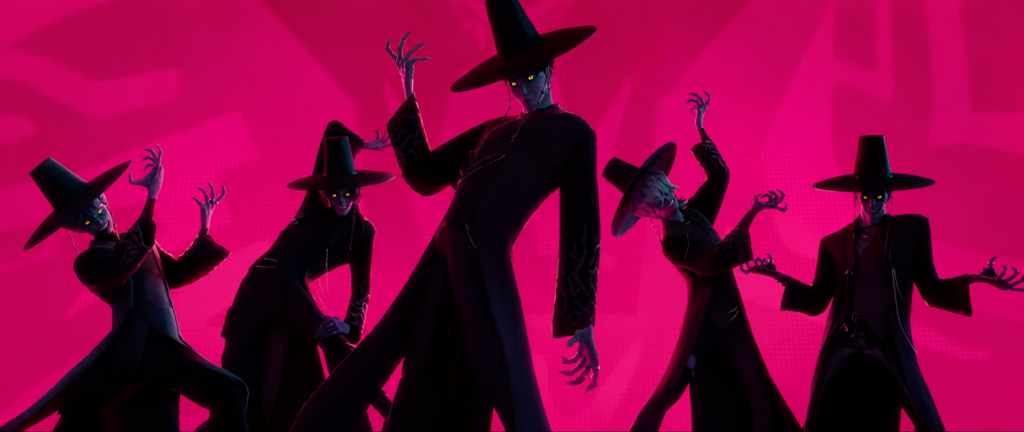
In KPop Demon Hunters, “Saja” sounds exactly like the Korean word for “lion,” so most viewers assume the Saja Boys simply take their name from the king of the jungle. The real Saja Boys meaning runs darker. “Saja” also serves as the short form of jeoseung saja (저승사자), Korea’s grim reaper — the messenger who escorts the souls of the dead to the afterlife. Because the band secretly drains human souls, the name works as a chilling pun hiding in plain sight.
Why the Saja Boys Meaning Confuses First-Time Viewers
When I first heard the rival band’s name, I assumed it meant “Lion Boys.” Honestly, that’s a fair guess. In everyday Korean, “saja” most often means lion — the proud, roaring kind you’d picture commanding a stage. The group leans hard into that image too, all swagger, gold, and spotlight.
Then I actually watched the film. These polished idols turn out to be demons in disguise, quietly siphoning the souls of their adoring fans. Right at that moment the name clicked into something much colder, and I realized the writers had buried a perfect piece of Korean wordplay inside the title.
The Cultural Context: Saja Boys and the Korean Grim Reaper
Here’s where it gets interesting. The single sound “saja” maps onto several different Korean words, and each one carries its own Chinese characters (hanja):
- 獅子 (saja) — lion, the everyday meaning
- 使者 (saja) — a messenger or envoy, someone a master sends to carry out a task
- 死者 (saja) — the dead, the deceased
- 사자 — and, just for fun, the casual form of “let’s buy” (from sada, 사다)
On the surface, the Saja Boys play on that first meaning: lions, kings of the stage. Their true identity, though, lives in a completely different word. The “Saja” in their name shortens jeoseung saja (저승사자). Break it apart, and jeoseung (저승) means the afterlife or underworld, while saja here takes the form 使者, the messenger. Put the two together, and a jeoseung saja becomes “the messenger of the afterlife” — the figure who arrives when someone dies and guides their soul across to the other side.
This is where the Saja Boys grim reaper connection really sharpens. A jeoseung saja doesn’t kill anyone; instead, he collects and escorts, making sure each soul reaches where it belongs. So a boy band that quietly carries off the souls of the living fits that job description perfectly.
Here’s the twist Western viewers rarely expect: the Korean grim reaper behaves less like a scythe-wielding skeleton and more like a tired civil servant. Korean folktales give the jeoseung saja a strikingly human personality. He follows the rules of a vast underworld bureaucracy. He even carries a register and a brush to confirm each name, and sometimes drags off the wrong person entirely. (One 15th-century collection even records the underworld hauling off two scholars with the same name together by mistake.)
People in old stories bribe him, stall him, and bargain with him. Families used to set out sajatbap (사잣밥) — a small offering of rice, usually three bowls — to thank the reapers for guiding a loved one safely onward.
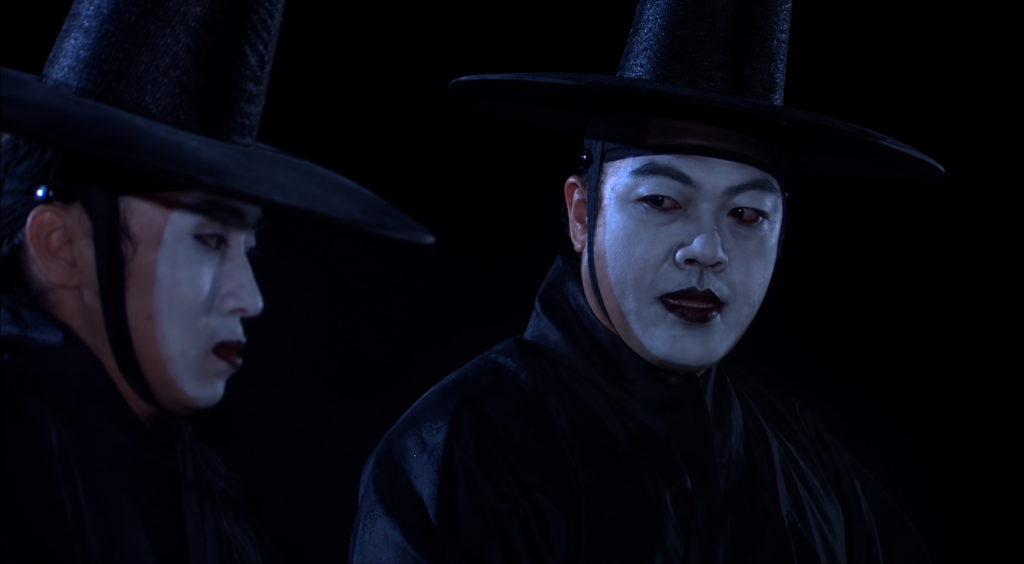
Is the Saja Boys’ Grim Reaper Look Actually Traditional?
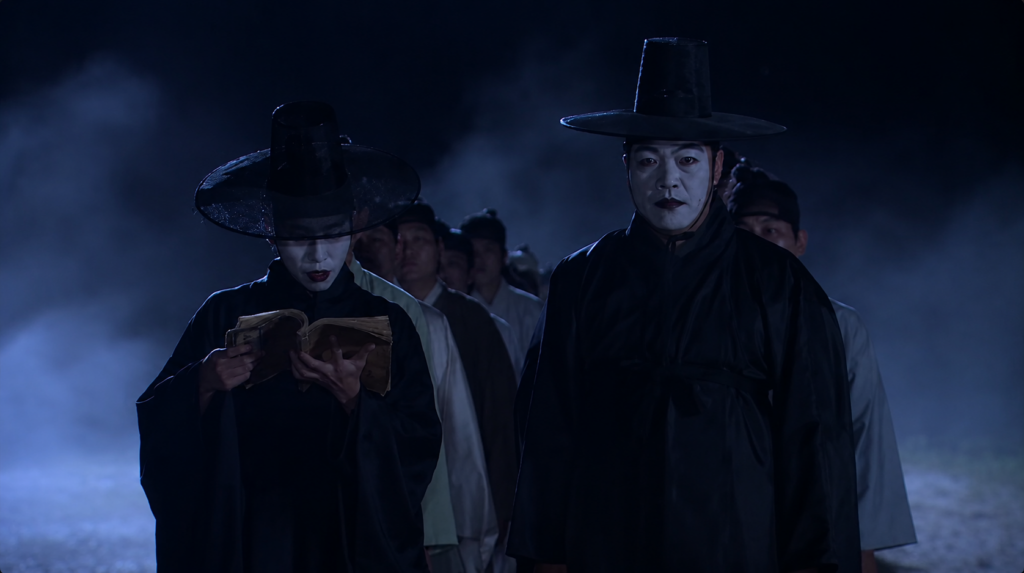
Surprisingly, no. That iconic look — the black gat (a traditional wide-brimmed hat), dark robe, pale face, and dark lips — isn’t actually ancient. A television director named Choi Sang-sik crafted it around 1980 for the horror anthology Legend of the Hometown, deliberately designing a “Korean image of death.” The role of the jeoseung saja runs deep in folk belief, but the sleek black styling the Saja Boys wear comes straight from modern Korean television.
The reaper also anchors Korea’s classic ghost stories. The tales that kept Korean kids up at night usually featured one of three figures: the gumiho (구미호), a nine-tailed shape-shifting fox; the cheonyeo gwisin (처녀귀신), the white-clad ghost of a young unmarried woman; and the jeoseung saja himself.
My Experience with the Jeoseung Saja in Korean Pop Culture
If you want to feel why this name lands so hard for Korean viewers, two pieces of pop culture explain it better than any dictionary could.
How “Along with the Gods” Reimagined the Jeoseung Saja
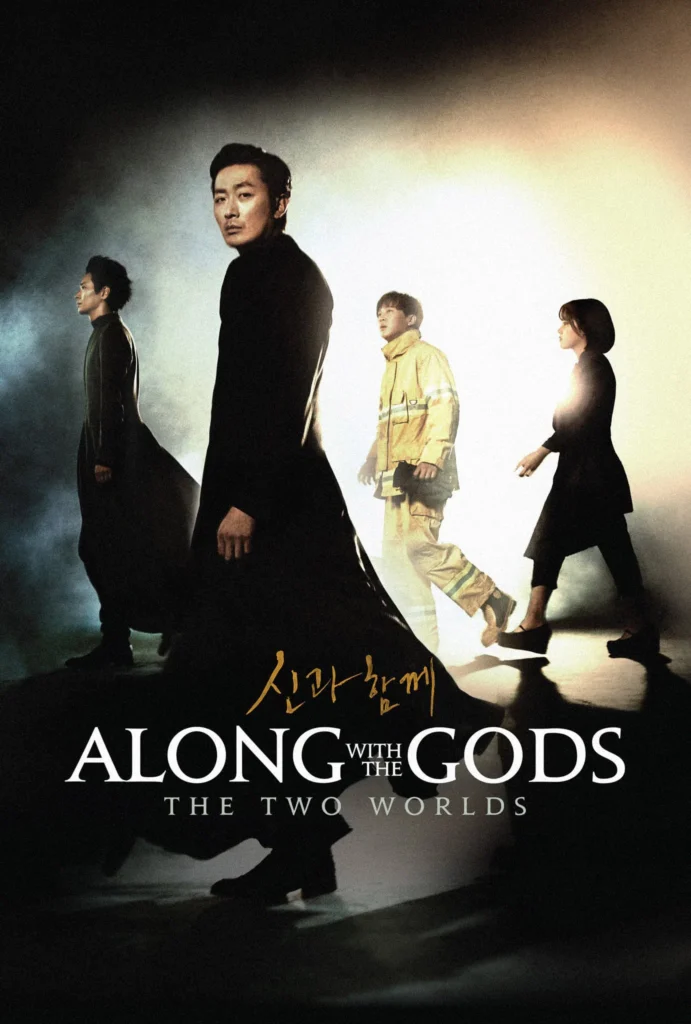
The first is Along with the Gods (신과함께), which began as a webtoon and grew into one of Korea’s biggest film franchises. The story follows an ordinary man who dies and travels through the afterlife, where jeoseung saja guide him and underworld judges weigh his past life across a series of trials. I’d recommend it to anyone curious about how Koreans imagine death. They see it not as a hard ending, but as a strange, oddly moving passage. The webtoon even leans on that old hospitality rule. In several folktales, a reaper who accepts food or kindness from a household owes that family a favor. Clever characters use this to delay their own deaths with a well-timed meal. For a whole generation, Along with the Gods gently reframed the reaper as a flawed, sympathetic guide rather than a monster. The story grew so popular that it became Along with the Gods: The Two Worlds, one of the highest-grossing Korean films ever.
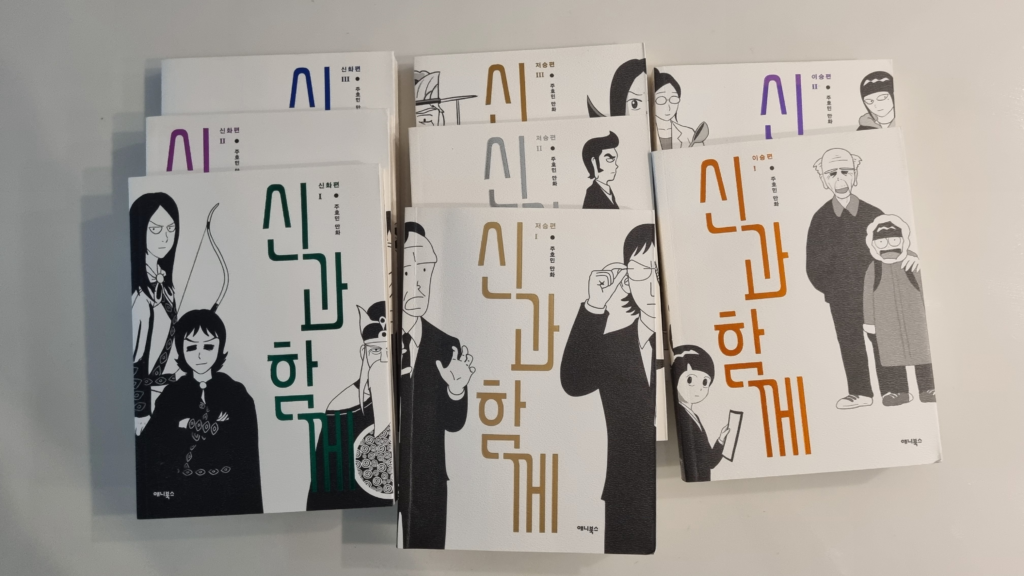
Where the Black-Gat Reaper Was Born in “Legend of the Hometown”
The second memory runs older and far more nostalgic. When I was younger, Korean television aired a long-running horror anthology called Legend of the Hometown (전설의 고향). Every summer it served up ghost stories from old folk tales, and the jeoseung saja appeared again and again: that black hat, that slow walk, that flat voice announcing your time had come. As it turns out, those very episodes are where the modern reaper image first took shape. So when the Saja Boys stride onstage in their sleek black styling, older Korean viewers don’t just see a cool villain concept. They feel a quiet shiver of recognition — a flashback to those humid summer nights spent half-hiding behind a cushion in front of the TV.
Not long ago I spotted a straw-doll Saja Boys at the Korean Folk Village, gat hats and all — proof that Koreans instantly recognized the reaper underneath the pop styling.
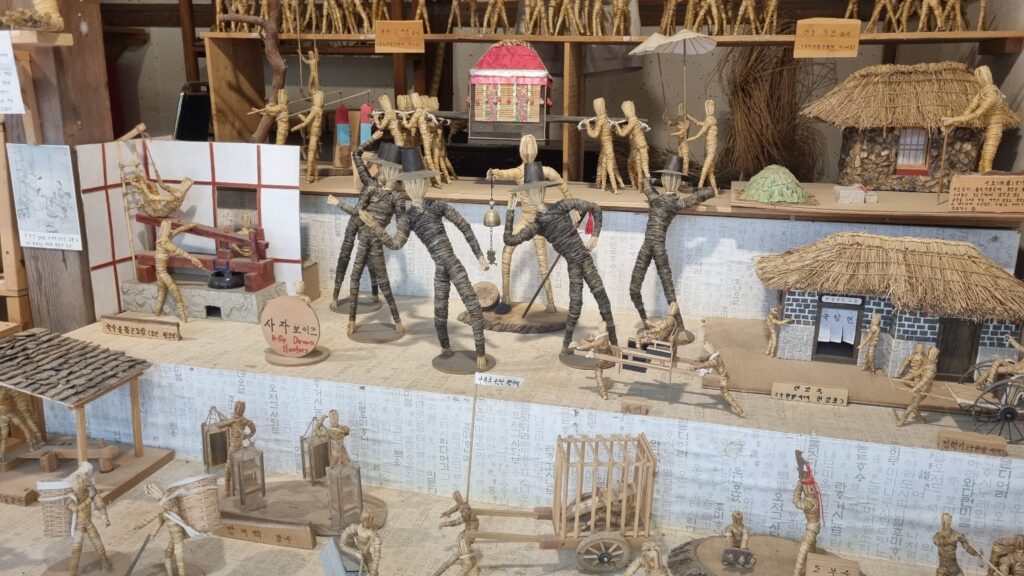
Practical Tips for Spotting the Grim Reaper Details
A few quick things reward a closer look if you want to catch the layers:
- Study the Saja Boys’ wardrobe. Their black, somber styling echoes the traditional reaper’s robe and gat rather than generic “cool villain” fashion — and now you know that look traces back to 1980s Korean TV.
- Listen for the word itself in the Korean audio and subtitles. “Saja” on its own can mean lion, while “jeoseung saja” points specifically to the grim reaper.
- Explore the folklore further. If this layer grabbed you, the gumiho and the cheonyeo gwisin make the natural next stop, since those two round out Korea’s core ghost-story trio alongside the reaper.
Related Questions You Might Have
- Korean Tiger Symbolism: Why Derpy Became the K-pop Demon Hunters’ Tiger
- K-Pop Demon Hunters Sussie: Korean Magpie Folklore & Netflix Animation
Shared by Oldtree of Mindgrove
Stories of Korea © 2026