Quick Answer
Golbaengi (골뱅이) are Korean sea snails, specifically whelks, served as Korea’s most popular drinking snack. Here’s what makes them unusual: Korea imports 90% of its golbaengi from British fishermen who refuse to eat them, calling them “fishing bait” or worse—one Welsh fisherman who caught them for 20 years compared them to “grandmother’s toenails.” Korean demand became so intense that the UK government introduced fishing regulations in 2024 to prevent stock depletion. These same sea snails British people won’t touch are worth £15 million annually in exports to Korea, where they’re transformed into the beloved spicy salad golbaengi muchim.
What Is Golbaengi? (Korean Sea Snails Explained)
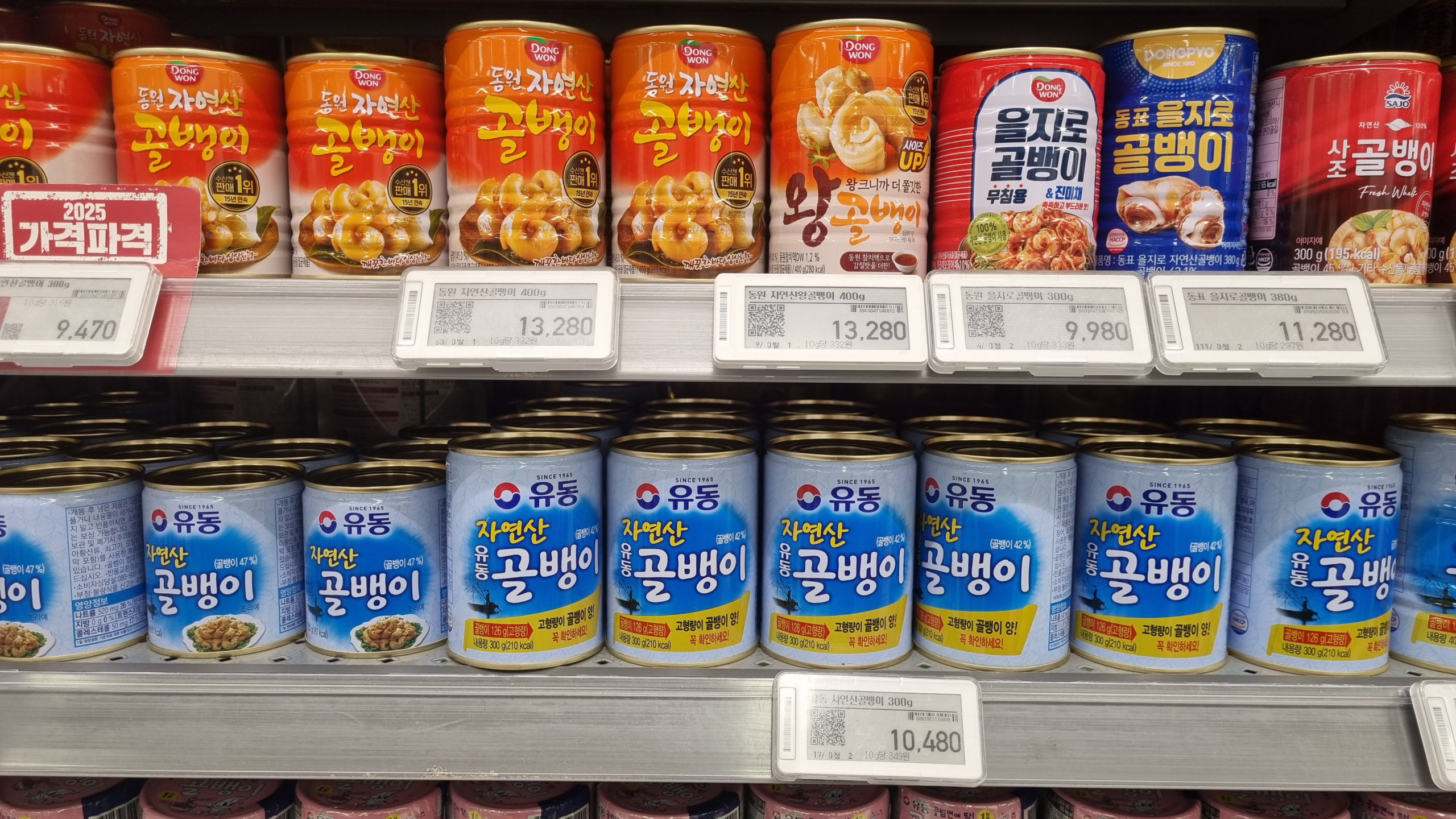
Golbaengi (골뱅이) is the Korean name for edible sea snails, primarily common whelks (Buccinum undatum) that live in cold waters around the British Isles, Scandinavia, and Korea’s coasts. In English, they’re called whelks, sea snails, or sometimes moon snails, depending on the specific species.
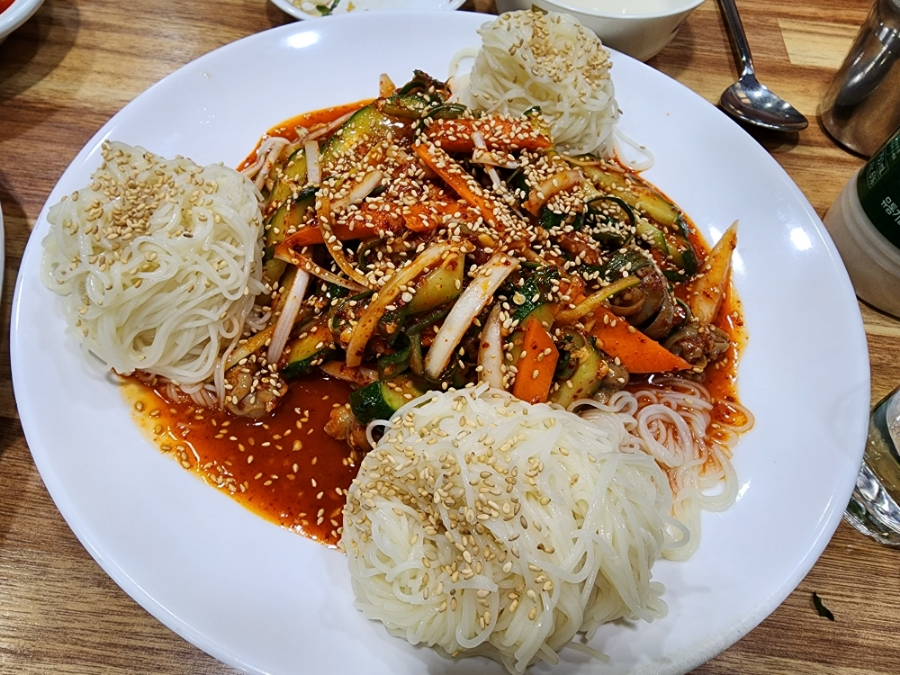
In Korean cuisine, golbaengi almost always appears as golbaengi muchim (골뱅이무침)—a cold salad dish where:
- Canned whelks are sliced into bite-sized spirals
- Mixed with thin somyeon noodles (wheat noodles)
- Tossed with julienned cucumber, carrots, and scallions
- Dressed in spicy-sweet gochujang sauce (red chili paste)
The texture is what Koreans prize most: 쫄깃 (jjol-git), meaning bouncy and chewy with satisfying resistance. Think of the texture somewhere between calamari and clams—firm but not rubbery, requiring a good chew but not tough.
The flavor itself is mild and slightly sweet with oceanic notes, but the real draw is how it pairs with bold gochujang sauce and cold beer, making it the perfect anju (안주, drinking snack) for Korean bars and restaurants.
Why Don’t British People Eat Sea Snails?
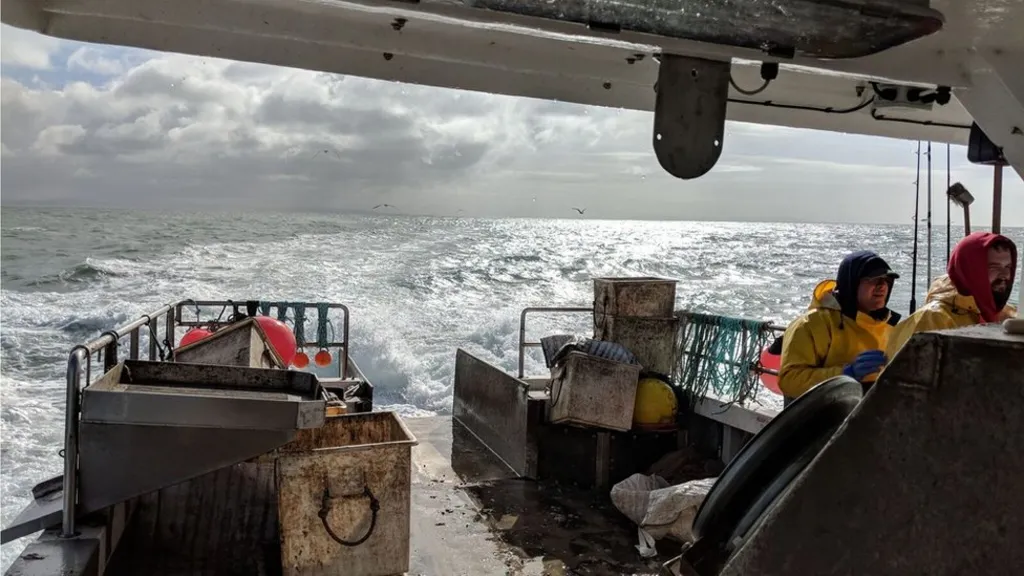
The irony of golbaengi is that the primary source—British waters—produces fishermen who’ve never tasted their own catch.
The Famous BBC Interview (2019)
In February 2019, BBC Wales profiled Gavin Davies, a Welsh fisherman who’d caught whelks professionally for 20 years near Bristol Channel. His quote became legendary:https://www.bbc.com/news/uk-wales-47172635
“Goodness knows why they like them—they taste like nan’s toenails—but it’s given me a living for the last two decades. I’ve caught them for 20 years and never tried one.”
British fishermen’s perspective:
- Whelks are fishing bait for flatfish
- They boil them to extract meat, use for bait, discard the rest
- “Nobody eats them here” is the universal response
- Most have never tasted them despite catching thousands of tons
The numbers tell the story:
- British fishermen catch ~10,000 tons/year of whelks
- Virtually all exported to Asia (primarily Korea)
- Worth £15.2 million to UK economy (2023)
- Zero domestic market in Britain
One Scottish fisherman admitted: “I had no idea people actually ate these. We thought they were just bait.”
How Did Golbaengi Become Korea’s Favorite Drinking Snack?
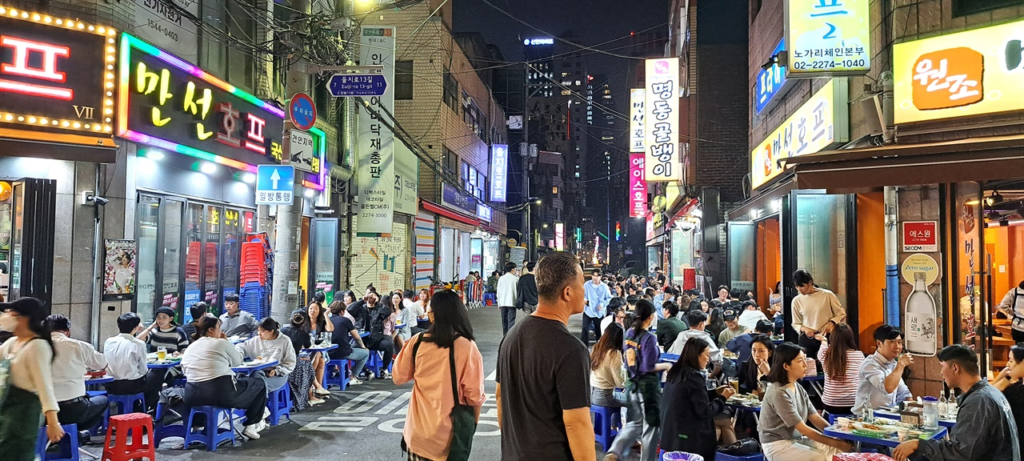
The Eulji-ro Revolution (1960s-1970s)
Before the 1960s, golbaengi was just regional coastal food in Korea. Two things changed everything:
First: Canning technology arrived. Companies importing equipment for Japan-bound seafood exports had excess capacity. Golbaengi—cheap and abundant on Korea’s east coast—became perfect filler material, creating shelf-stable protein.
Second: Seoul’s Eulji-ro district needed cheap drinking snacks. Thousands of factory workers, printers, and metalworkers in this industrial area needed affordable food after grueling shifts.
Restaurant owners discovered the winning formula:
- Canned golbaengi (cheap, protein-rich)
- Somyeon noodles (filling, soaks up sauce)
- Gochujang-based sauce (spicy, masks cheap alcohol)
- Fresh vegetables (crunch and freshness)
The dish was revolutionary: substantial, flavorful, and the chewy whelk texture held up perfectly to strong sauce. By the 1970s draft beer boom, golbaengi muchim had spread across Seoul’s drinking establishments as the quintessential anju.
Why the texture matters: Korean cuisine prizes siggam (식감, texture) equally with taste. Dishes like naengmyeon (chewy cold noodles), tteokbokki (bouncy rice cakes), and squid are beloved specifically for their texture. Golbaengi delivers that same prized jjol-git chewiness.
The Export Boom (1990s)
In the early 1990s, Korean entrepreneur Kang Gyu-beom approached British fishermen with an unusual proposition: “We’ll buy every whelk you catch.”
British fishermen were baffled. These were waste products—caught incidentally, used for bait, or discarded entirely.
What changed for British fishermen:
- Made money from former waste
- Could fish whelks deliberately (easy to catch in 20-30m shallow water with simple pots)
- Faced zero domestic competition
- Steady income from product they considered inedible
What made sense for Korea:
- Domestic Korean whelks live at 100+ meter depths (expensive, dangerous to catch)
- British whelks live in shallow, accessible waters (cheap to catch)
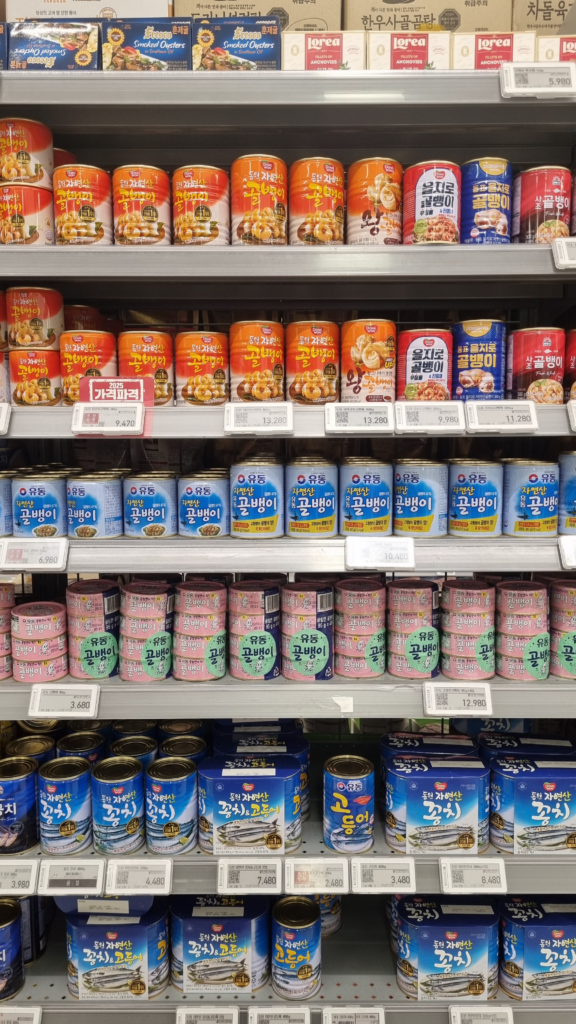
- Shipping 9,000km from Wales to Busan was cheaper than catching domestically
By late 1990s, Korean imports reached 5,000+ tons annually, representing 90% of canned golbaengi ingredients used in Korea. Of that, 80-90% came from UK waters.
Scottish town Peterhead became a major hub, with Korean seafood companies establishing direct relationships with processors who would cook, clean, freeze, and ship whelks to Korea.
The Environmental Problem: Overfishing Crisis
Korean demand created ecological disaster in some fishing grounds.
Irish Sea Collapse (2004)
The most dramatic example happened in the Irish Sea:
- 1990: 56 tons caught
- 1996: 6,575 tons (116x increase in just 6 years)
- 2000-2003: Fishing effort increased 42%
- 2004: Complete stock collapse
What happened? Export demand drove unsustainable overfishing. Fishermen caught year-round (including breeding season), took all sizes (including juveniles that hadn’t reproduced), and depleted breeding populations.
Whelks grow slowly (4-5 years to reach market size) and reproduce slowly. Once breeding populations crashed, recovery became nearly impossible. The Irish Sea whelk fishery effectively ceased to exist.
UK Government Response (2024)
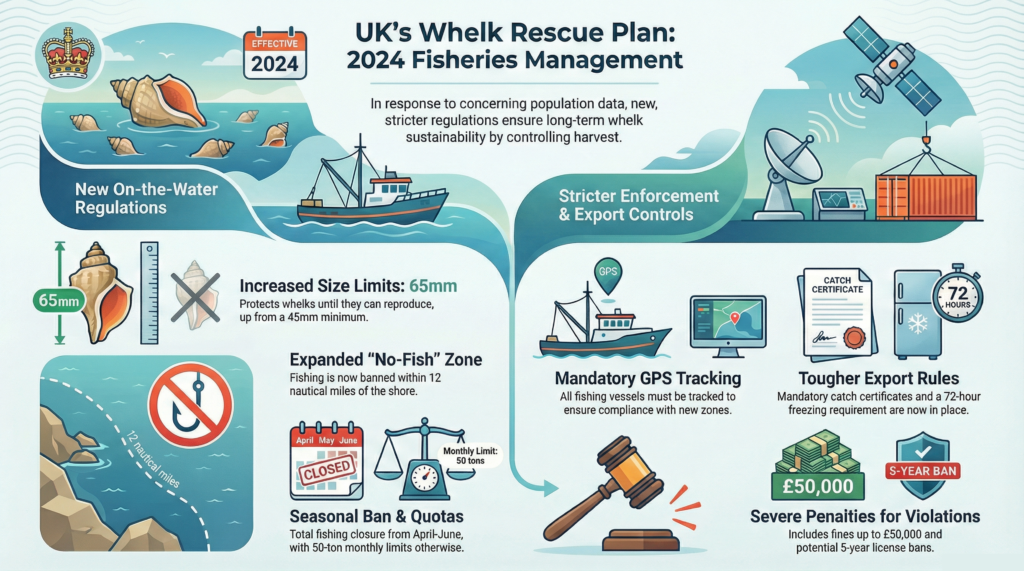
By 2020s, UK scientists saw concerning data across multiple whelk fisheries. In December 2023, the government released its first Whelk Fisheries Management Plan, explicitly citing “increased fishing pressure driven largely by Asian export demand.”
New regulations (effective 2024):
Size limits: Minimum 65mm (up from 45mm) to allow reproduction before harvest. Fines up to £50,000 for violations.
Fishing zones: Complete ban within 12 nautical miles of shore (doubled from 6), protecting shallow coastal breeding grounds. GPS tracking now mandatory.
Seasonal closure: Total ban April-June (breeding season), with 50-ton monthly limits during open season.
Export controls: Mandatory catch certificates, 72-hour freezing requirement, 5-year license bans for violations.
These weren’t suggestions—British authorities realized that without action, Korean demand would eliminate whelk populations entirely.
Why Can’t Korea Farm Sea Snails?
Korea has attempted whelk aquaculture multiple times. It fails for fundamental reasons:
Biological challenges:
- 4-5 year growth to market size (versus 6-12 months for many fish)
- Poor reproduction in captivity (broadcast spawners with low fertilization rates)
- Specific habitat requirements (expensive to recreate artificially)
Economic reality:
- No country has successfully commercialized whelk farming at scale
- Wild catch is significantly cheaper than aquaculture
- Korean waters: whelks live at 100m+ depths (expensive equipment, dangerous work)
- British waters: whelks live at 20-30m depths (simple pots, safe operations)
The math: Shipping frozen whelks 9,000 kilometers from Wales costs less than catching them in Korean deep-sea waters.
This import dependency is exactly why 2024 UK regulations worried Korean seafood companies.
What Does Golbaengi Taste Like?
If you’ve never tried golbaengi, here’s what to expect:
Plain cooked whelk: Mild, slightly sweet ocean flavor—somewhere between clam and mild white fish. Not fishy or strong, but also not particularly exciting on its own.
The texture: Firm, bouncy, resistant chew (jjol-git). Not rubbery when properly cooked—it has pleasant springiness that gives way satisfyingly when you bite.
As golbaengi muchim: This is how Koreans actually eat it:
- 30% golbaengi (texture and mild sweetness)
- 30% somyeon noodles (slippery contrast, soaks up sauce)
- 20% vegetables (fresh crunch)
- 20% gochujang sauce (ALL the flavor—spicy, sweet, tangy, garlicky)
The sauce does the heavy lifting. Gochujang brings spice, garlic brings punch, vinegar adds tang, sugar balances it. The golbaengi becomes a textured vehicle for that flavor bomb, while cold noodles provide slippery contrast.
Plain boiled whelk? Probably tastes like “nan’s toenails” as the British fisherman said. Mixed with Korean drinking snack sauce? Completely different, addictive experience that pairs perfectly with cold beer.
The Cross-Cultural Food Economics
British fisherman Gavin Davies summarized it perfectly:
“When we’re wondering how to trade after Brexit, here’s this amazing resource which we won’t eat, but they can’t get enough of on the other side of the world.”
The beautiful irony:
- British fishermen catch 10,000 tons they consider inedible bait
- Ship it 9,000km across the planet
- Korean demand is so intense it requires government regulation to prevent collapse
- Worth £15 million to UK fishermen, billions of won to Korean food service
- One fisherman’s entire 20-year income came from product he’d never tasted
One country’s garbage is literally another’s treasure worth £15 million annually.
Related Questions About Korean Foods
This article is part of the series: Korean Foods Foreigners Find Strange
- What Is Sannakji? Korean Live Octopus Explained — The Oldboy scene: tradition, texture, and danger
- What Is Ganjang Gejang? Korean Raw Crab Explained — The “rice thief” that confuses foreigners
- What Is Chamoe? Korean Melon Explained — The cucumber-flavored melon mystery
- What Is Dotorimuk? Korean Acorn Jelly Explained — Another Korean food that saved lives during famines
Final Thoughts: Sustainable Seafood Matters
The golbaengi trade represents perfect cross-cultural culinary economics. British fishermen make their living from a product they won’t touch. Korean drinkers transformed it into cultural treasure. And now governments must regulate to prevent ecological collapse.
Next time you order golbaengi muchim at a Seoul bar, remember: somewhere in Wales, a fisherman is pulling up pots of those exact sea snails, wearing thick gloves because he finds them disgusting. His income—mortgage, children’s education, retirement—comes almost entirely from Korean drinkers who made his fishing bait into a £15 million industry.
Just pace yourselves. The UK government is watching, and the Irish Sea still hasn’t recovered since 2004.
Sustainable drinking culture needs sustainable fishing first.
Shared by Oldtree of Mindgrove
Stories of Korea © 2026