
Quick Answer (TL;DR)
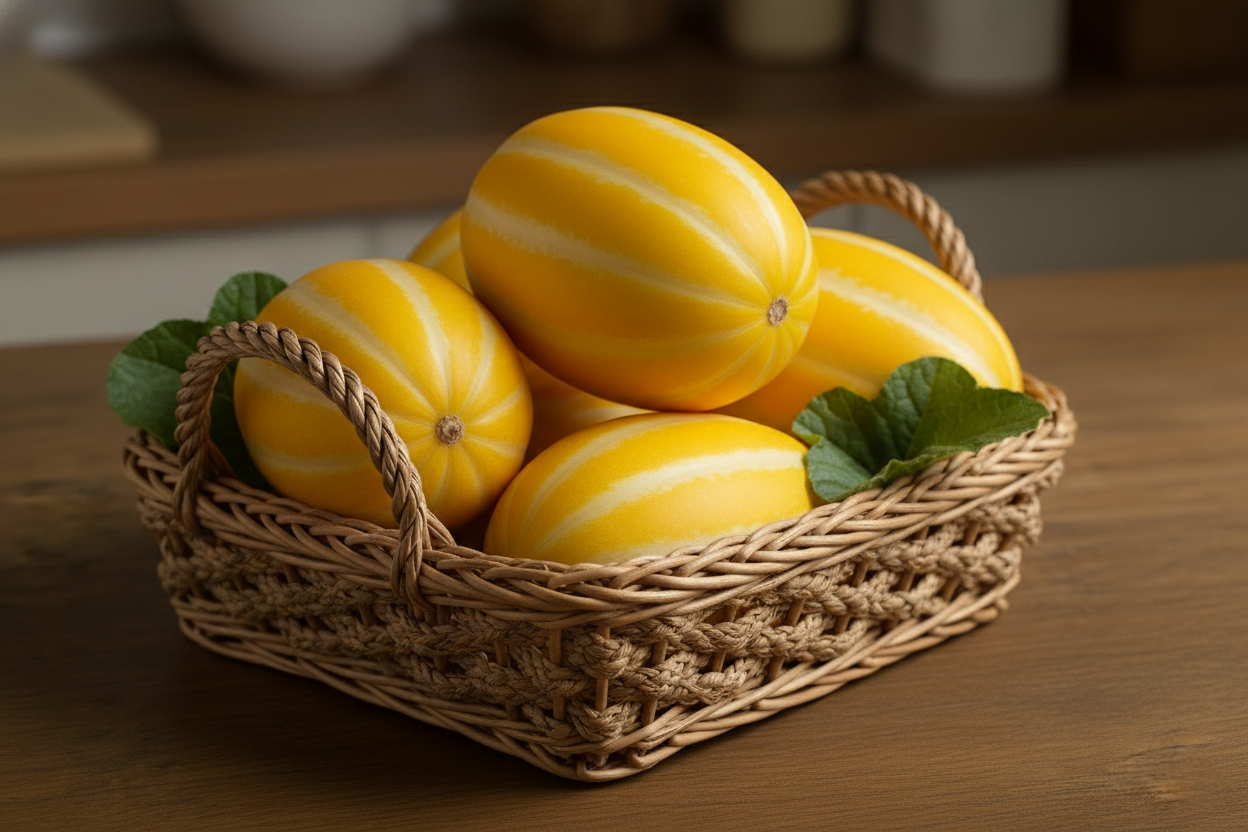
Chamoe (참외) is a Korean yellow melon that tastes like a cross between honeydew and cucumber. It’s eaten almost exclusively by Koreans because the West preferred sweeter melons, Japan switched to Western-style melons in the 1960s, and Korea spent 70 years perfecting it while everyone else moved on.
The fruit is 90% water, crisp like cucumber, mildly sweet like honeydew, and Koreans eat it sliced with the seeds—which is where most of the sweetness comes from. In 2016, the UN officially named it “Korean Melon.”
Why This Question Comes Up
When foreigners first try chamoe, the most common confusion is: “Why does it taste like cucumber? Isn’t this supposed to be a melon?”
If you search “what is chamoe” or “Korean melon taste,” you’ll find the same description everywhere: “tastes like honeydew and cucumber.” But that doesn’t explain why only Koreans eat it, how you’re supposed to eat it, or why it has that unique flavor.
The answer lies in one country’s 70-year commitment to a fruit the rest of the world abandoned.
What Does Chamoe (Korean Melon) Actually Taste Like?
Flavor profile:
- 40% cucumber – crisp, refreshing, watery
- 40% honeydew – mild sweetness, melon flavor
- 20% cantaloupe – light floral notes
Texture:
- Crisp and crunchy like cucumber (NOT soft like cantaloupe)
- 90% water content (extremely juicy)
- Seeds are edible and crunchy
Sweetness level:
- Modern varieties: 10-14 Brix
- Western melons: 14-16 Brix
- Most sweetness concentrated in the seed cavity, not the outer flesh
Why It Confuses Foreigners
What foreigners expect (based on Western melons):
- Soft, tender flesh ❌
- Uniformly sweet throughout ❌
- Remove seeds before eating ❌
What chamoe actually is:
- Crisp, crunchy flesh ✓
- Sweetness concentrated in the center ✓
- Seeds are eaten together with the flesh ✓
If you remove the seeds and eat only the outer flesh, chamoe tastes bland and watery. That’s why foreigners who eat it like cantaloupe think it has no flavor.
How to Eat Korean Melon (Chamoe) – The Korean Way
This is how Korean families actually eat chamoe at home
Standard Korean Method
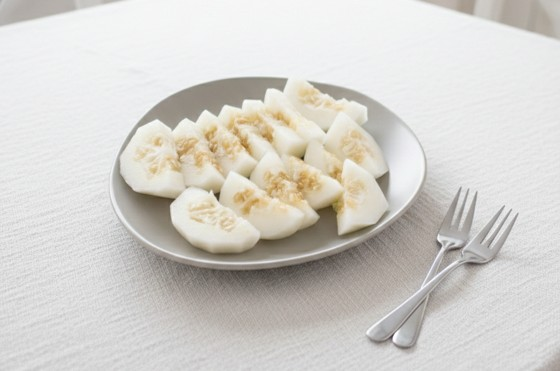
Step 1: Peel the skin
- Use a knife or vegetable peeler to remove the thin yellow skin
- The skin is edible but slightly bitter, so most Koreans peel it
Step 2: Cut lengthwise
- Cut the chamoe in half lengthwise (top to bottom)
Step 3: Slice horizontally
- Cut each half into horizontal slices about 1-2 cm thick
- This creates round or semi-circular slices
Step 4: Serve and eat with fork
- Arrange slices on a plate
- Eat with a fork, seeds and all
- The seeds are crunchy and add sweetness
Important: Do NOT scoop out the seeds. The seed cavity is the sweetest part.
Alternative Method (Less Common)
Some people cut chamoe into wedges (like watermelon):
- Cut in half lengthwise
- Cut each half into 3-4 wedges
- Pick up with hands and bite, eating seeds together
Can You Eat Chamoe Seeds?
YES. Korean melon seeds are:
- Completely edible and safe
- The sweetest part (highest sugar concentration in the seed cavity)
- Nutritious – rich in folic acid and vitamin C
- Crunchy texture – similar to cucumber seeds
Koreans always eat chamoe with the seeds. Removing them defeats the purpose.
Freshness test: Put chamoe in water. If it floats with 3 white stripes visible = fresh. If it sinks = damaged during cultivation.
Why Only Koreans Eat Chamoe: The Short Story
Chamoe (or its relatives) used to be common across East Asia. But in the 1960s, everyone made different choices. Japan developed Western-style melons (Prince Melon, Yubari Melon) that were sweeter, larger, and softer—abandoning their traditional makuwa-uri. The West already had cantaloupe and honeydew, so chamoe’s cucumber-like flavor seemed odd and unappealing. China never developed the distinctive yellow-striped variety that Koreans prefer.
Korea took a different path. Instead of replacing chamoe with Western melons, Korea invested in improving it. From 1957 to present, Korean agricultural companies systematically bred chamoe for higher sweetness (from 7-8 Brix to 14 Brix), better appearance, and longer shelf life—while maintaining the crisp, refreshing texture Koreans love. By 1984, Korea had developed Geumsaragi-Euncheon (“Gold Dust”), a variety so successful it held 70%+ market share for over 20 years.
The result? Today’s chamoe is genetically unique—found nowhere else on Earth. In 2016, the UN’s Codex Alimentarius Commission officially recognized this by changing the international name from “Oriental Melon” to “Korean Melon.” Like kiwi = New Zealand or Champagne = France, Korean Melon = Korea.
Why the name matters: It acknowledges that Korea is the only country still actively cultivating and improving this fruit. While Japan imports Korean chamoe as a premium health food (registered as “functional food” in 2023 for GABA content), and exports to Vietnam, Singapore, and Hong Kong grew 53.2% in 2025, the variety remains distinctly Korean.
The Cultural Background: 1,000 Years in Korea
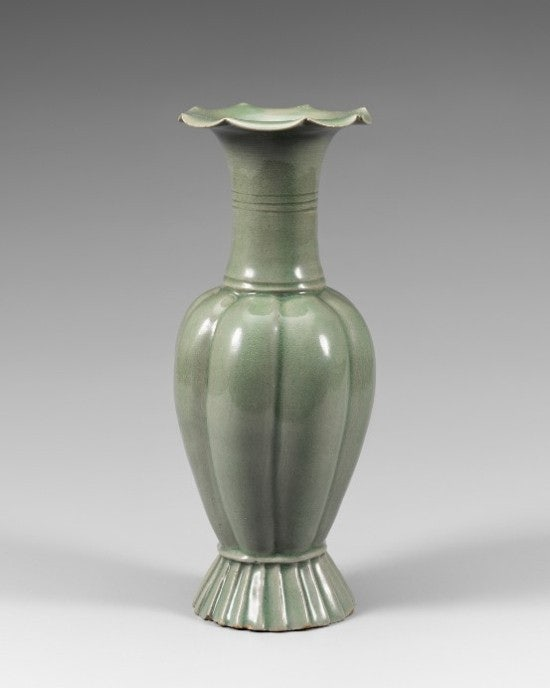
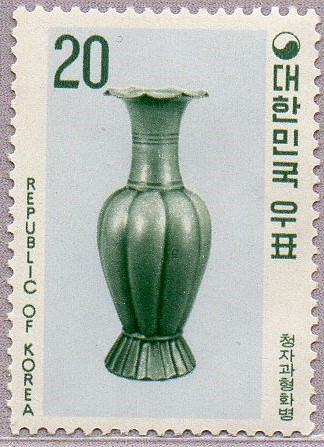
Chamoe has been eaten in Korea since at least 1123 CE, when a Chinese envoy mentioned it in Korean records (Gaoli Tujing). The Goryeo Dynasty valued it enough to create celadon pottery shaped like chamoe (National Treasure #94). The name 참외 (chamoe) means “true melon”—distinguishing it from imported cucumbers called “barbarian melons.”
Before the 1960s, chamoe wasn’t a delicacy—it was survival food. During 보리고개 (the spring hunger period), summer chamoe filled the gap before the rice harvest. At 90% water and cheap to grow, it kept people fed and hydrated through lean months. A 1920s magazine noted: “Chamoe fills stomachs, so lower classes use it as a staple.”
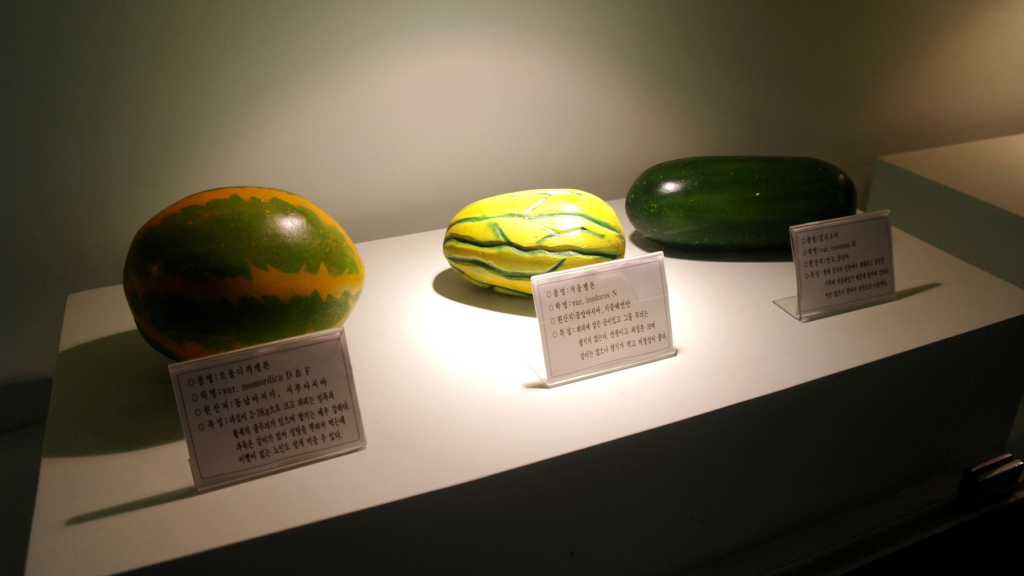
Today, that survival food has become a summer cultural symbol. About 70% of Korean chamoe comes from Seongju County in Gyeongsangbuk-do, where the hot, dry climate is perfect for cultivation. The region even has a Korean Melon Ecology Center celebrating the fruit’s importance.

Chamoe vs. Other Melons: Quick Comparison
Chamoe vs. Honeydew
- Taste: Chamoe adds cucumber freshness to honeydew sweetness
- Texture: Chamoe is crisp and crunchy; honeydew is soft and tender
- Water content: Chamoe 90%; honeydew 85%
- Seeds: Chamoe seeds are eaten; honeydew seeds are removed
Chamoe vs. Cantaloupe
- Flavor: Chamoe is mild and refreshing; cantaloupe is strong and sweet
- Aroma: Chamoe has faint smell; cantaloupe has strong aroma
- Color: Chamoe is yellow with white stripes; cantaloupe is orange inside
- Texture: Chamoe is crisp; cantaloupe is soft
Why this matters: When foreigners ask “what does Korean melon taste like,” “honeydew and cucumber” is the most accurate answer. It’s not quite like any single Western melon.
Health Benefits: Why Chamoe Is Good for You
Nutritional profile (per 100g):
- Calories: Only 30 kcal (very low)
- Water: 90% (excellent hydration)
- Vitamin C: High (immune support)
- Beta-carotene: Rich (anti-aging)
- Potassium: 450mg (blood pressure regulation)
- GABA: Stress reduction (why Japan registered it as functional food)
Key benefits:
- Hydration – Perfect for hot summers
- Weight management – Low calorie, high water, filling
- Digestive health – Fiber in seeds and flesh
- Pregnancy nutrition – High in folic acid (especially in seeds)
Where to Buy and How to Choose
Choosing a Good Korean Melon
Visual check:
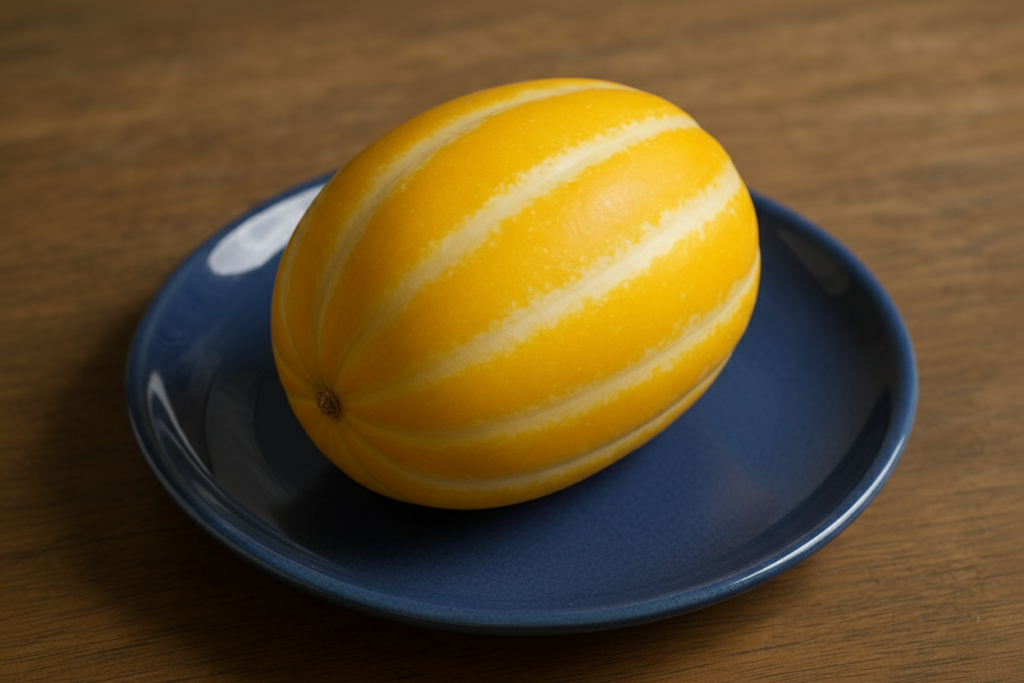
- Bright yellow color (no green patches)
- White stripes clearly visible (usually 3-5 stripes)
- No brown spots or soft areas
- Uniform oval shape
Touch test:
- Heavy for its size (means juicy)
- Slight give when pressed gently (not rock hard, not mushy)
- Waxy, matte surface texture
Smell test:
- Faint, sweet melon aroma
- Very strong smell = overripe
Where to Find Chamoe
In Korea:
- Every grocery store and market (peak season: June-August)
- Price: 6-7 melons for 10,000-13,000 won ($7-9)
In USA:
- Korean grocery stores (H Mart, Zion Market, Galleria)
- Asian supermarkets (99 Ranch, etc.)
- Price: $3-5 per melon
- Availability: Summer only (June-August)
Storage:
- Room temperature: Up to 5 days
- Refrigerated: Up to 1 week
- Cut slices: 2-3 days wrapped in plastic
Related Questions
“Is chamoe the same as cantaloupe?”
No. Chamoe tastes like honeydew and cucumber combined—crisp, refreshing, less sweet. Cantaloupe is soft, strongly sweet, and orange-fleshed. Completely different fruit.
“Why do Koreans eat the seeds?”
The seed cavity has the highest sugar concentration. If you remove the seeds, you remove most of the sweetness. It’s like eating cucumber—you don’t scoop out the center.
“Can you grow chamoe outside Korea?”
Yes, in hot, dry climates (California, Arizona ideal). Needs 60 days from planting to harvest. Drought-tolerant. Seeds are hard to find outside Korea.
“Is chamoe good for weight loss?”
Yes. Only 30 calories per 100g, 90% water (very filling), high fiber. Common dessert replacement in Korean diet culture.
Final Thoughts
The world had 1,000 years to love chamoe. Japan replaced it with Western-style melons. The West had cantaloupe and honeydew. China never developed it. Korea said: “We’ll make it better ourselves.”
70 years later, chamoe is Korean Melon—officially, internationally, uniquely Korean. One country’s determination turned an abandoned fruit into national identity.
When you try chamoe, remember: slice it, eat the seeds, taste the honeydew-cucumber combination. That’s the point.
This article is part of the series on Korean Foods Foreigners Find Strange.
Related articles:
- What Is Sannakji? Korean Live Octopus Explained — The Oldboy scene: tradition, texture, and danger
- What Is Golbaengi? Korean Sea Snails Explained — British Fishermen Won’t Eat
- What Is Ganjang Gejang? Korean Raw Crab Explained — The “rice thief” that confuses foreigners
- What Is Dotorimuk? Korean Acorn Jelly Explained — Another Korean food that saved lives during famines
(This article is part of my series on Korean Foods Foreigners Find Strange)
Shared by Oldtree of Mindgrove
Stories of Korea © 2026