
What Does Arirang Mean?
The word “Arirang” itself is a mystery—even Koreans don’t have a definitive answer. Some linguists believe that in ancient Korean, “ari” meant “beautiful” and “rang” meant “the one,” making “Arirang” translate to “my beloved one.” Others suggest “ari” conveyed deep longing, rendering “Arirang” as an expression of yearning for something both beautiful and painfully missed.
But here’s what we do know: Arirang is Korea’s most famous folk song—a UNESCO-recognized piece of cultural heritage with over 60 regional versions and an estimated 3,600 variations. It’s often called Korea’s “unofficial national anthem” because it carries centuries of Korean emotion: longing, sorrow, resilience, and hope.
Now, it’s also the title of BTS’s fifth studio album, releasing March 20, 2026, followed by a historic comeback concert at Gwanghwamun Square on March 21, streaming live on Netflix to 190 countries.
Why Did BTS Choose Arirang as Their Album Title?
When BTS announced their comeback album title in January 2026, international fans immediately started Googling: What does Arirang mean? Why this song?
According to Big Hit Music, the group chose “Arirang” because it “captures BTS’s identity as a group that began in Korea” and reflects “emotions of connection, distance, and reunion”—themes that resonate deeply after their nearly four-year hiatus for military service.
But there’s more to this choice than nostalgia. After years of English-language releases like “Dynamite” and “Butter” aimed at Western audiences, naming an album after Korea’s most sacred folk song signals a deliberate return to their roots. The album versions themselves tell this story: “Rooted in Korea,” “Rooted in Music,” and “Living Legend.”
For many Korean fans, the choice felt emotional. One fan wrote: “BTS choosing ‘Arirang’ means knowing where they come from, respecting it, and recognizing that their people are with them.”
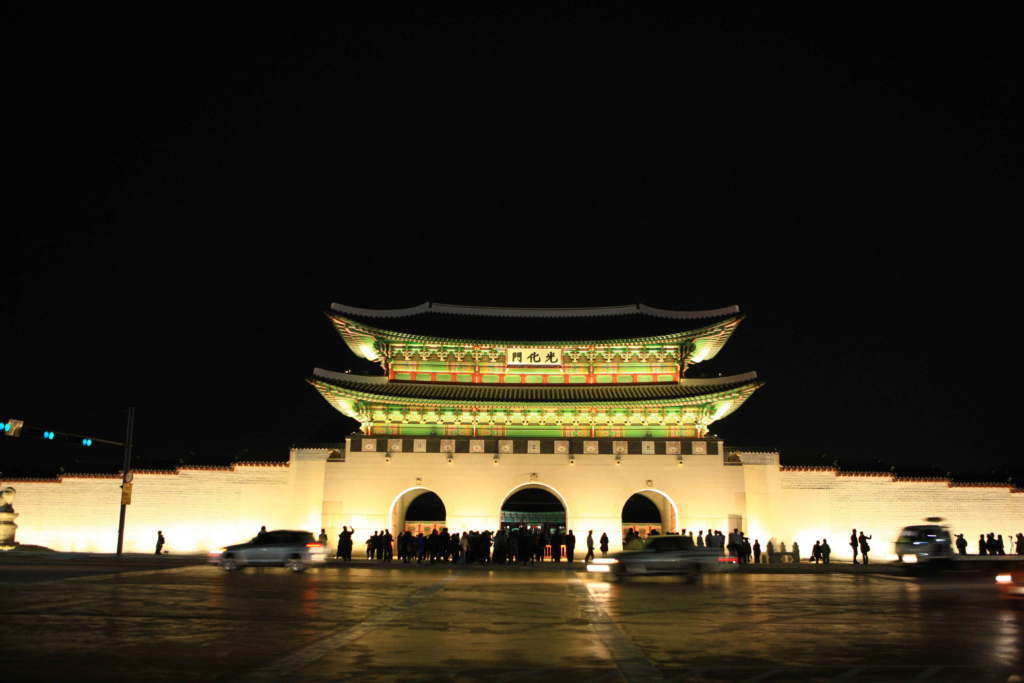
The timing matters too. The group will perform at Gwanghwamun Square—right in front of Seoul’s historic Gyeongbokgung Palace—on March 21. It’s not just a concert venue; it’s a symbolic space representing Korean history and resilience. For a group that started in a small practice room in Seoul and became global superstars, this feels like coming full circle.

The History Behind Korea’s Most Famous Folk Song
Here’s the thing about Arirang: nobody knows exactly where it came from.
Arirang is a traditional Korean folk song estimated to be at least 600 years old, possibly older. There’s no original composer, no definitive lyrics, and no single “correct” version. Instead, there are over 60 distinct regional versions, with an estimated 3,600 variations total. Every province in Korea has its own Arirang—Gyeonggi Arirang, Jindo Arirang, Miryang Arirang—each with slightly different melodies and verses.
What All Versions Share
What they all share is the refrain: “Arirang, arirang, arariyo…” and two lines of verse that change depending on who’s singing and where.
The most common lyrics go:
“Arirang, arirang, arariyo…
You are going over Arirang Hill.
My dear who abandoned me,
Your feet will be sore before you go ten ri.”
It sounds simple—even cheerful if you just hear the melody. But for Koreans, it’s deeply emotional.
When Arirang Was First Recorded
The first known recording of Arirang was made in 1896 by American ethnologist Alice C. Fletcher in Washington, D.C. She recorded three Korean students—Ahn Jeong-sik, Lee Hee-cheol, and Son Rong—singing what she called “Love Song: Ar-ra-rang.” The recordings are currently housed in the U.S. Library of Congress.
This 1896 recording has taken on new significance for BTS fans. That year, seven Korean students were studying at Howard University, and among them were the three who sang Arirang for Fletcher’s recording. The BTS album cover appears to reference this historical moment—seven students in 1896, seven BTS members in 2026, 130 years apart. For fans, the symbolism feels intentional.

What is the Cultural Significance of Arirang?
Arirang isn’t just a folk song. It’s a survival anthem.
The Emotion Behind the Song
If you listen to Arirang, you might be surprised. The melody sounds almost cheerful—light, even singable. But for Koreans, it’s deeply emotional. The song carries what Koreans call han (한)—a complex feeling that mixes sorrow, longing, injustice, and resilience all at once.
It’s the feeling of missing someone who’s far away. It’s the ache of enduring hardship you didn’t deserve. It’s sadness layered with hope.
Arirang During Japanese Colonial Rule
During Japan’s colonial rule (1910–1945), when Koreans were forbidden from speaking their own language or practicing their culture, Arirang became an act of resistance. Singing it was a way to remember who they were when everything else was being erased. It became a criminal offense to sing patriotic songs, so Arirang became the unofficial resistance anthem.
Korean protesters sang Arirang during the March First Movement in 1919. Mountain guerrillas fighting against occupiers sang it. Variations written during the occupation contain themes of injustice, the plight of laborers, and guerrilla warfare.
Arirang and the Korean Division
During the Korean War (1950–1953) and the division of the peninsula, Arirang symbolized the pain of separation—families torn apart, a nation split in two. Even today, both North and South Korea claim Arirang as their own. At the 2018 Pyeongchang Olympics, athletes from both Koreas marched together to Arirang.
In 2012, UNESCO recognized Arirang as Intangible Cultural Heritage of Humanity, calling it “an important symbol of Korean identity and a source of pride.”
This is what makes BTS’s album title so loaded. They’re not just referencing a pretty old song. They’re invoking the entire weight of Korean history—colonization, war, division, survival—and placing it next to their own story of separation (military service), longing (missing their fans), and reunion (coming back together).
My Experience with Arirang
My first memory of Arirang isn’t from a school ceremony or a national holiday. It’s from my childhood living room.
I was maybe six or seven, watching TV with my mother and grandmother. I don’t even remember what was on—maybe a historical drama, maybe a variety show—but suddenly, Arirang started playing. Without saying a word, my mother began humming along. Then my grandmother joined in, her voice cracking slightly on the high notes.
I didn’t understand the lyrics. I didn’t know the history. But I felt something shift in the room—something heavy and tender at the same time. There was a sadness in their voices, but also something else. Longing, maybe. Or endurance.
Looking back now, I think I was witnessing han (한) for the first time. That complex Korean emotion of sorrow mixed with resilience—the weight of hardships endured, losses carried, and yet somehow, hope still woven through it all. My mother and grandmother had lived through difficult times I couldn’t fully grasp as a child. But Arirang connected them to something bigger than themselves, something passed down through generations.
When BTS announced the album title, I thought about that moment in our living room. I imagine millions of international ARMY are now Googling “what does Arirang mean,” trying to understand why this matters so much. And honestly? The fact that they’re asking means BTS has already done what Arirang has always done: bridge distance through music.
BTS Gwanghwamun Concert: What to Expect
On March 21, 2026, BTS will perform at Gwanghwamun Square in front of an estimated 15,000–20,000 fans (selected by lottery through Weverse). The concert will be broadcast live on Netflix to 190 countries, with an expected 300 million viewers worldwide.
What We Know About the Performance
- Opening sequence: BTS will walk through the main gates of Gyeongbokgung Palace—Geunjeongmun, Heungnyemun, and Gwanghwamun—with all three gates opened simultaneously.
- Media projections: Traditional Korean cultural motifs will be projected onto Gwanghwamun Gate during the show, with similar displays at Sungnyemun Gate starting March 20.
- Stage design: A massive 360-degree stage inspired by the South Korean flag, designed for maximum fan immersion.
- Setlist speculation: Fans expect the debut performance of all 14 tracks from ARIRANG, plus classic hits.
Will They Actually Sing Arirang?
This is the question everyone’s asking. Will BTS perform a version of the traditional Arirang song?
It’s unclear. Some fans hope for a modernized pop version, while others think it might be too risky to reinterpret such a sacred song directly. BTS has performed Arirang before—they did a medley at KCON France in 2016, incorporating traditional Korean dance moves. But this time, with the entire album named after it, the stakes feel higher.
Either way, the symbolism is already there.
How to Watch If You Can’t Attend
If you can’t attend in person, Seoul Plaza will broadcast the concert on large LED screens for free. The concert is also part of “THE CITY SEOUL,” a month-long cultural project running from March 20 to April 12, with events throughout the city.
Related Questions You Might Have
Curious about other aspects of Korean culture?
- Why BTS Chose Gwanghwamun for Their Comeback Concert (link to future article)
Shared by Oldtree of Mindgrove
Stories of Korea © 2026