
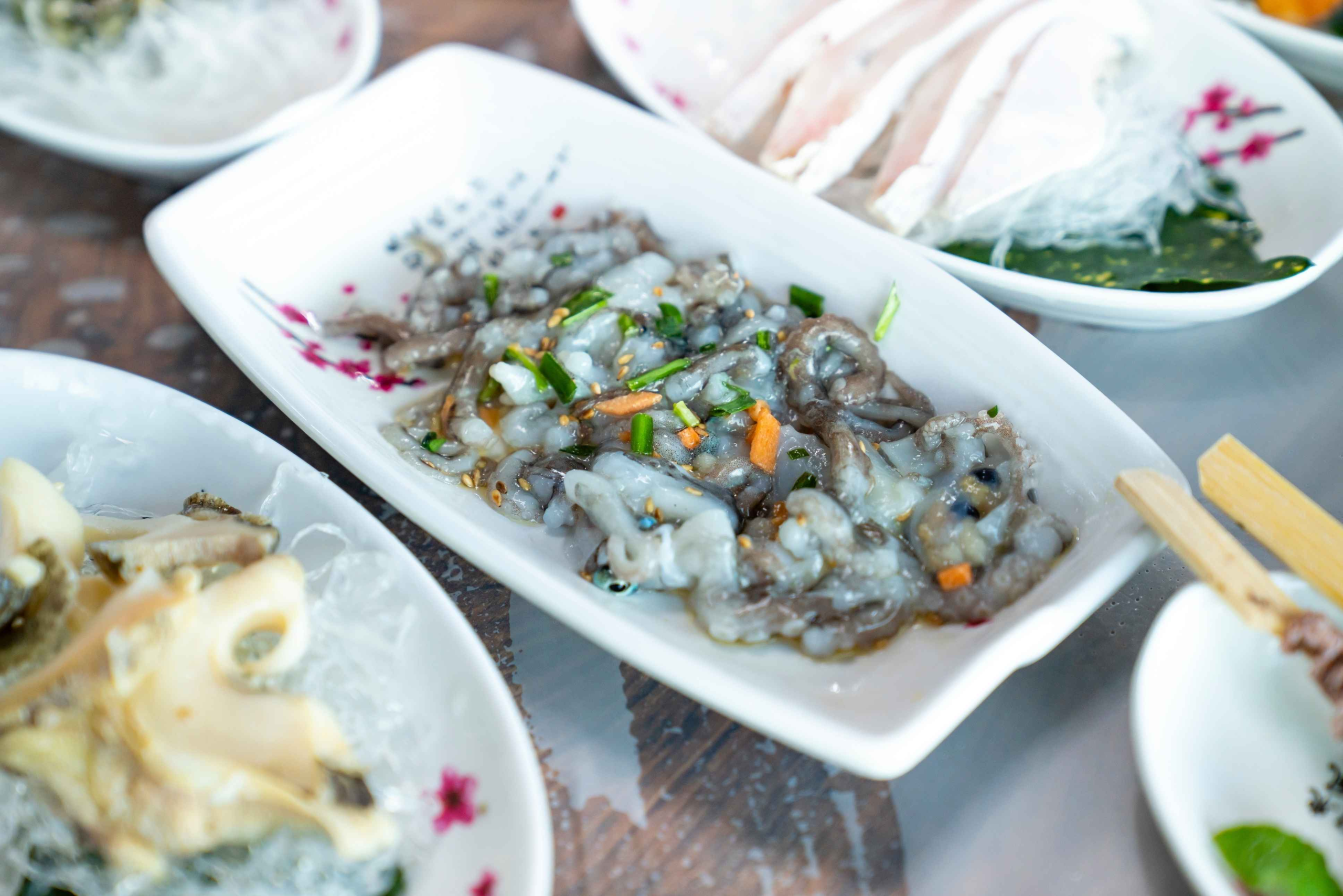
Quick Answer (TL;DR)Koreans eat live octopus (sannakji) for three reasons:
- Ultimate freshness proof – Wriggling tentacles guarantee it was alive 60 seconds ago
- Unique texture – Suction cups stick to your tongue, creating a sensation found nowhere else
- Ancient tradition – Coastal Korea’s signature dish for 2,000+ years (Three Kingdoms period)
Important safety clarification:
- Regular chopped sannakji is SAFE when eaten properly
- The octopus is killed before serving—it moves due to nerve activity
- Over 17 years (2007-2023): only 6 deaths total, all from eating whole octopus or large pieces while drunk
- Zero deaths from properly cut restaurant sannakji
- Millions eat it safely every year
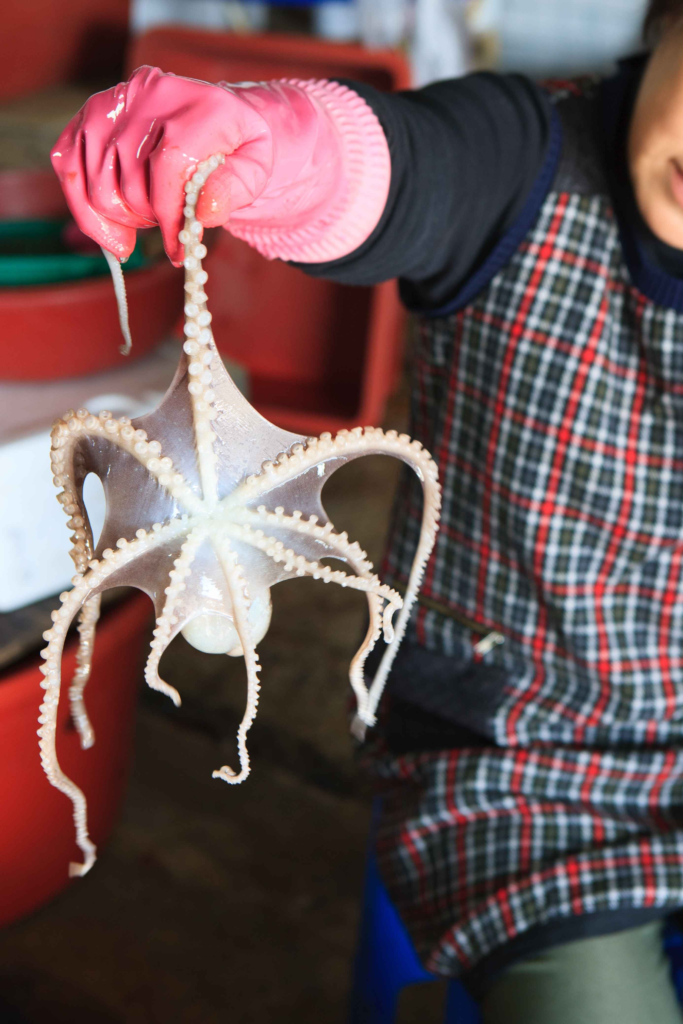
Why This Question Comes Up
My American friend turned pale when she saw sannakji arrive at our table.
“That’s still alive,” she whispered, watching tentacle pieces crawl across the plate.
The Korean woman next to us laughed. “Of course! That’s the whole point.”
This scene—octopus pieces moving independently while someone calmly eats them—has confused foreigners for decades. But nothing made sannakji more famous than Oldboy.
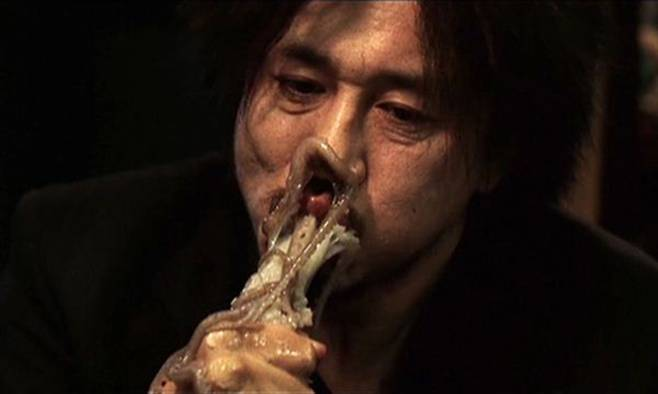
The Oldboy Scene That Shocked the World
In 2003’s Oldboy, actor Choi Min-sik grabbed a whole live octopus, ripped off its head with his teeth, and shoved the wriggling creature into his mouth—tentacles wrapping around his face.
That wasn’t CGI.
Choi Min-sik, a vegetarian, actually ate four live octopuses during filming. Before each take, he prayed for their souls. Director Park Chan-wook later said: “I felt more sorry for the octopus.”
That scene won Oldboy the Grand Jury Prize at Cannes and made sannakji globally infamous. It still ranks #1 on “most disgusting food scenes” lists.
But here’s what foreigners miss: No Korean actually eats it that way.
What Choi Min-sik did—swallowing a whole live octopus in one go—is an extreme version that:
- Most Koreans have never tried (and never will)
- Restaurants actively discourage
- Causes nearly all sannakji-related incidents
Normal sannakji is completely different: killed first, cut into tiny pieces, safe to eat.
The Cultural Context
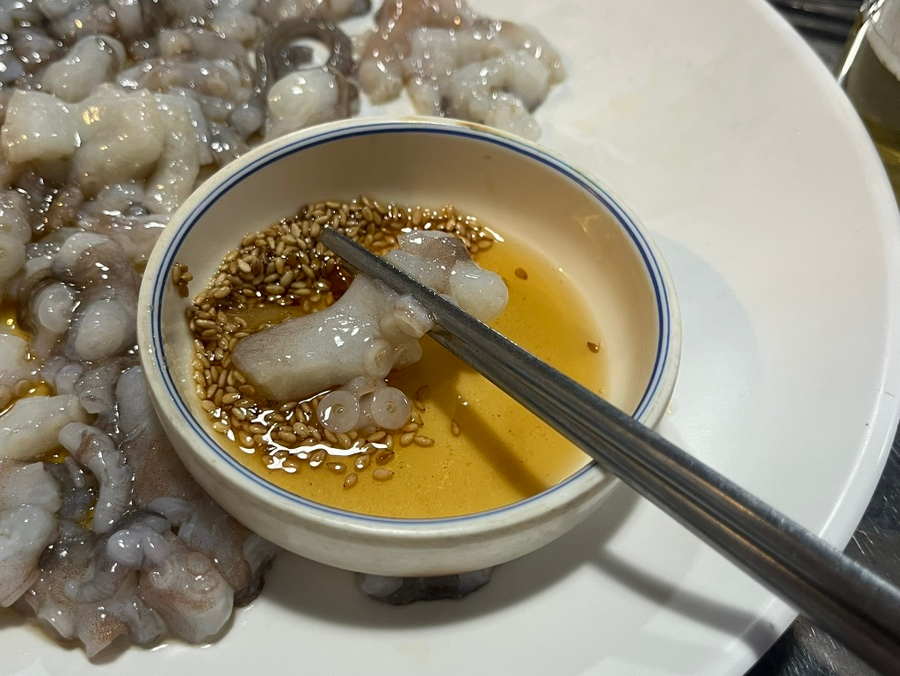
Real sannakji is killed first, cut into small pieces, dipped in sesame oil with salt (참기름 소금장), and chewed thoroughly. The “Oldboy method” would likely kill you.
So why does this tradition exist?
1. The Freshness Obsession
In Korean food culture, freshness isn’t just preferred—it’s proof.
When sannakji moves on your plate, you know:
- It wasn’t frozen
- It wasn’t preserved
- It was swimming 60 seconds ago
In a country that prizes raw fish culture, sannakji is the ultimate freshness guarantee.
2. The Texture Experience
Korean cuisine balances 맛 (taste) and 식감 (texture).
Sannakji offers a texture found nowhere else:
- Chewy but not tough
- Sticky but not slimy
- Moving but not alive
The suction cups grip your tongue. The tentacles coil around chopsticks. This is “쫄깃쫄깃” (jjol-git) – the chewy, bouncy texture Koreans love in rice cakes, cold noodles, and squid.
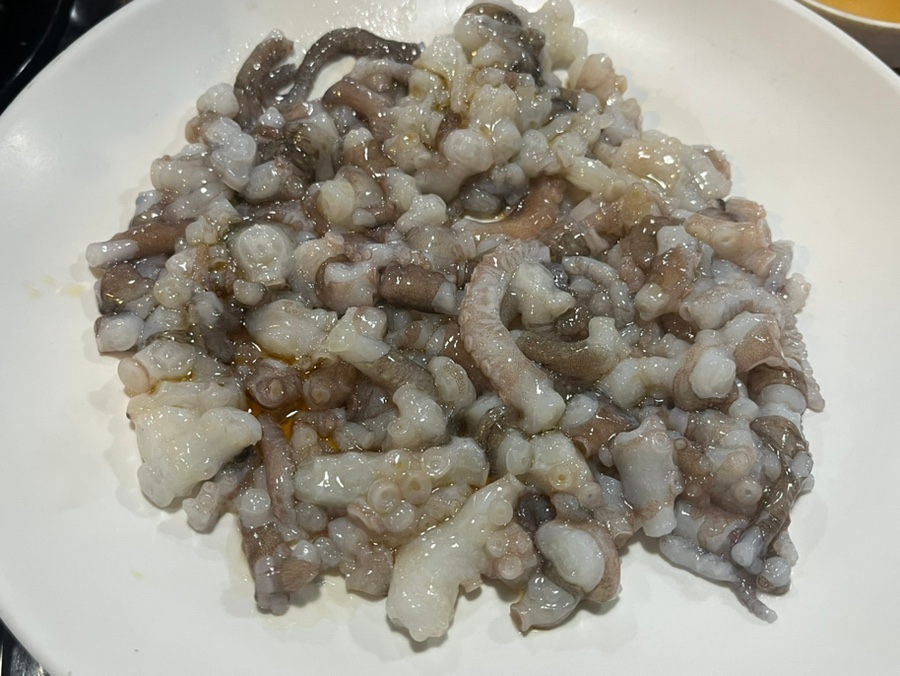
3. The Ancient Tradition
Sannakji dates to Korea’s Three Kingdoms period (57 BC–668 AD), when coastal communities ate fresh-caught seafood immediately to prevent spoilage.
In the 1814 book Jasaneobo, scholar Jeong Yak-jeon wrote: “When people fed small octopuses to a sick bull that had collapsed, he got up instantly.”
Koreans believed nakji (Octopus minor) had rejuvenating powers. Even today, it’s associated with:
- High taurine content (equivalent to 600g ginseng per serving)
- Athletic stamina
- Vitality boost
Regional Variations: How Sannakji Is Prepared
While the basic concept is the same across Korea, preparation styles vary:
Standard Sannakji (산낙지):
- Small octopus killed and cut into thumbnail-sized pieces
- Served with sesame oil, salt
- Most common version at markets and restaurants
Tangtangi (탕탕이):
- Octopus pounded/chopped with knife (“tang-tang-tang” sound)
- Finely minced texture
- Often served with Korean beef tartare (육회) in Mokpo/Jeolla region
- Garnished with chili peppers, chives, sesame oil
- The safest version due to very small, minced pieces
The Safety Question: Separating Myth from Reality
Here’s what Western media won’t tell you: sannakji isn’t dangerous.
Let’s look at the actual numbers.
The Real Statistics
According to Seoul Fire and Disaster Headquarters:
- 2007-2012: 3 deaths (6 years)
- 2013: 2 deaths (1 year)
- 2019–2023: 1 death (5 years)
Total over 17 years: 6 people
That’s 6 deaths out of MILLIONS of servings. To put this in perspective:
- More people die from choking on hot dogs every year in the US (~70 annually)
- More people die from peanut allergies
- More people die slipping in the shower
ALL documented sannakji deaths involved:
- Eating whole octopus without cutting (통 낙지)
- Large uncut pieces
- Intoxicated diners who didn’t chew properly
Zero documented deaths from properly cut, chewed sannakji at restaurants.
Why Rare Incidents Happen
Even after death, octopus tentacles move for 20-30 minutes because:
Octopuses have 2/3 of neurons in their arms, not their brain. Each arm can “think” independently.
When someone attempts whole octopus (like in Oldboy) or swallows large pieces while drunk, the suction cups can stick to the throat and block the airway.
But this only happens with:
- Whole octopus (통 낙지) – which restaurants don’t serve
- Large pieces bigger than bite-size
- Drunk diners who don’t chew
Western media sensationalized sannakji as “world’s most dangerous food” alongside poisonous fugu. It’s even banned in the UK—but the ban targets whole octopus consumption, not the standard dish.
Reality check: Regular sannakji is safer than eating a hot dog while driving.
How to Eat Sannakji Safely
Good news: Regular restaurant sannakji is safe when eaten properly.
Safest options:
- Tangtangi (탕탕이) – finely minced octopus, often with beef tartare
- Standard chopped sannakji – thumbnail-sized pieces
Avoid entirely:
- Whole octopus (통 낙지)
- Large chunks
If you’re visiting Korea and want to try standard sannakji:
✅ DO:
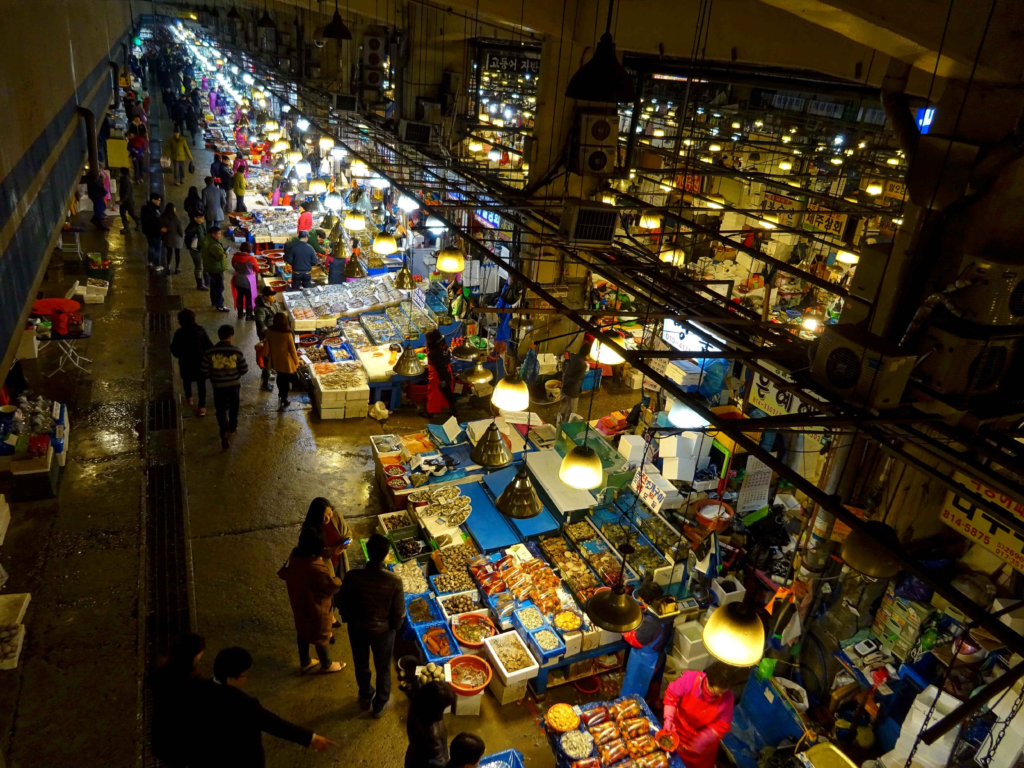
- Go to reputable restaurants (Noryangjin Fish Market in Seoul, Jagalchi in Busan)
- Order chopped version (산낙지) – pieces should be thumbnail-sized or smaller
- Chew thoroughly (30-50 times per piece) until movement stops
- Use sesame oil and salt generously (참기름 소금장 lubricates throat, reduces suction grip, adds flavor)
With properly cut sannakji, the risk is minimal. Millions eat it safely every year.
❌ DON’T:
- Never try whole octopus (통 낙지) – this causes nearly all incidents
- Don’t order it drunk
- Don’t request large pieces or “whole tentacles”
- Don’t swallow without thorough chewing
What Foreigners Get Wrong
Myth: “It’s eaten alive”
Reality: The octopus is killed before cutting (brain destroyed). What moves is a dead octopus with active nerve endings.
Myth: “It’s super dangerous”
Reality: 17 years, 6 deaths total—all from risky behavior (whole octopus, drunk eating). Regular chopped sannakji has minimal risk. You’re statistically safer eating sannakji than driving to the restaurant.
Myth: “It’s a bravery test”
Reality: Elderly Korean grandmas eat chopped sannakji casually at fish markets. It’s regional coastal food, not a dare. Some Koreans won’t even try it.
Myth: “It tastes weird/fishy”
Reality: Sannakji tastes clean and mild—fresher than sushi. With sesame oil and salt, it’s nutty and savory. The “weirdness” is 90% texture, 10% taste.
Myth: “You’re supposed to eat it like in Oldboy”
Reality: Never do this. Eating whole octopus was cinematic exaggeration. It could kill you. Real sannakji is always chopped into safe pieces.
The Global Fascination
Despite safety fears, sannakji is Korea’s #1 “exotic food” tourists want to try.
2018 Korea Tourism Organization Survey (944 respondents):
- Sannakji – 26% 🥇
- Ganjang gejang (raw crab) – 14.6%
- Sundae (blood sausage) – 14.2%
Why? YouTube mukbangs, Oldboy’s cultural impact, and “extreme food tourism.”
Where Sannakji Fits in Korean Cuisine
Sannakji isn’t daily food—it’s a regional specialty from coastal areas.
Where it’s popular: Busan, Tongyeong (south coast), Noryangjin Market (Seoul)
When Koreans eat it: After drinking, at fish markets, before athletic competitions (stamina boost belief)
Annual production: Korea catches 350,000+ tons of Octopus minor yearly. Most is stir-fried or grilled—only a small fraction eaten as sannakji.
Related Questions You Might Have
(Coming soon)Curious about more Korean food culture? Check out:
- What Is Golbaengi? Korean Sea Snails Explained — British Fishermen Won’t Eat
- What Is Korean Chamoe? Korean Melon Explained — The fruit foreigners can’t eat correctly
- What Is Ganjang Gejang? Korean Raw Crab Explained — The “rice thief” that confuses foreigners
- What Is Dotorimuk? Korean Acorn Jelly Explained — Another Korean food that saved lives during famines
(This article is part of my series on Korean Foods Foreigners Find Strange)
Final Thoughts
Should you try sannakji?
If you’re in Korea and curious: try it once.
Not because it’s brave (Korean grandmas eat it weekly).
Not because everyone does it (many Koreans refuse).
Try it because it teaches you Korean food philosophy:
Freshness isn’t negotiable. It’s not luxury—it’s the baseline.
Sannakji takes that obsession to its extreme. The food is so fresh, it’s still moving. You’re connected to the ocean that provided it 60 seconds ago. When you dip it in rich, nutty sesame oil with salt, you’re experiencing how coastal Koreans have eaten for 2,000 years.
Just… chew it. Really, really well. And don’t try to be a hero and eat it like Oldboy.
Final safety reminder: Regular chopped sannakji is safe. Over 17 years, only 6 people died—all from eating whole octopus or being drunk and reckless. Millions eat it without incident every year. The danger is massively overstated.
Shared by Oldtree of Mindgrove
Stories of Korea © 2025