
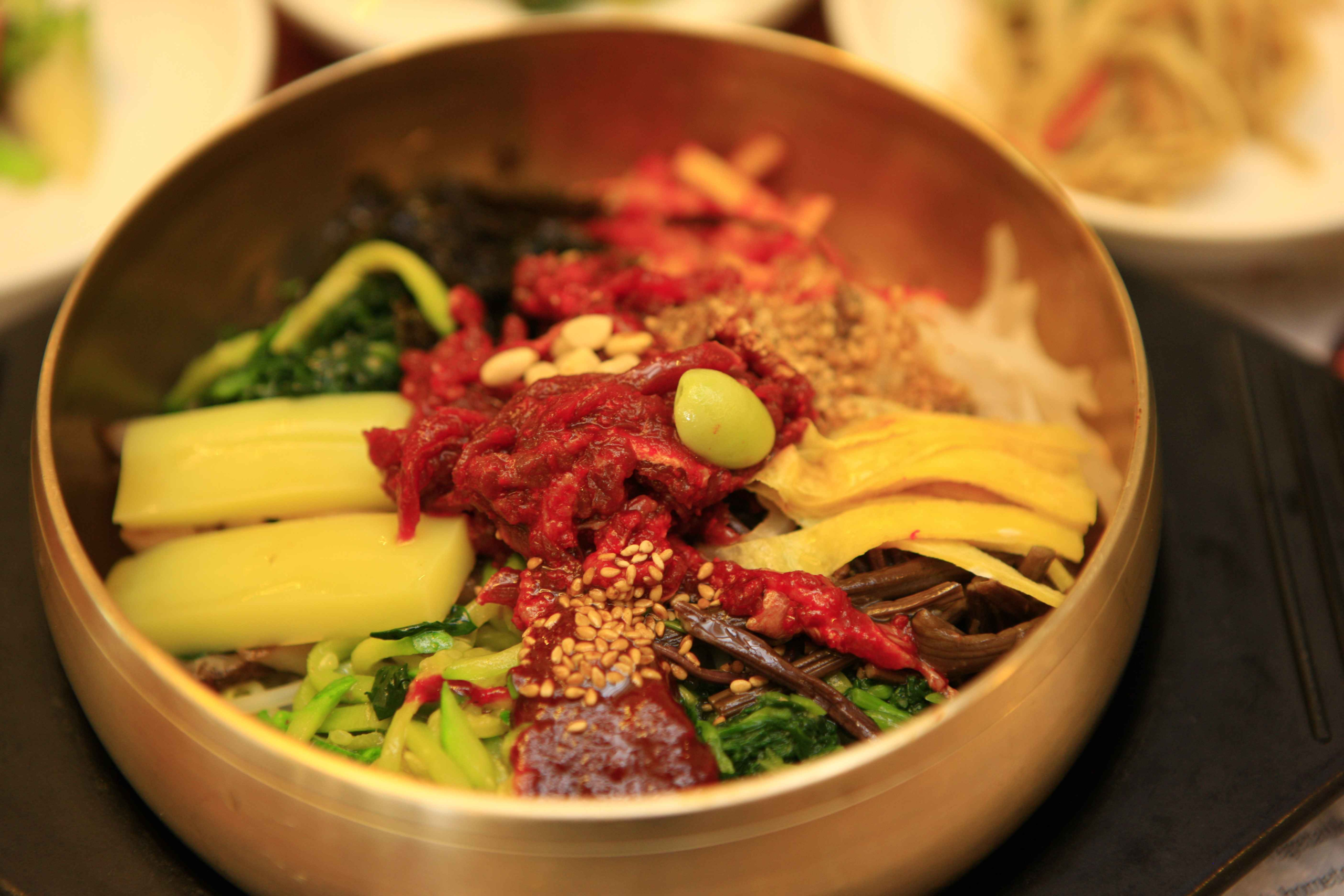
![5 gochujang recipes featured image] Alt text: Five easy gochujang recipes including bibimbap, tteokbokki, and Korean fried chicken displayed on white background
That tub of gochujang in your fridge doesn’t have to be intimidating. Korea’s famous fermented chili paste brings sweet, spicy, savory, and umami flavors to everything—but knowing where to start is half the battle.
These five gochujang recipes range from iconic Korean classics to fusion favorites that even cooking beginners can master. Each takes 30 minutes or less (some just 2 minutes!), and I’ve included the exact difficulty level and time for each one.
New to Korean fermented sauces? Start with our Complete Guide to Korean Jang to understand what makes gochujang special.
Why These 5 Gochujang Recipes?
I chose these specific dishes because they:
- Represent different cooking techniques (mixing, simmering, marinating, whisking, glazing)
- Cover all skill levels from absolute beginner to intermediate
- Work for different occasions (quick lunch, dinner party, meal prep)
- Show gochujang’s versatility from traditional Korean to modern fusion
You’ll notice these recipes echo what you might’ve seen on shows like Culinary Class Wars—professional techniques made accessible for home cooks.
1. Classic Bibimbap: The Essential Korean Rice Bowl
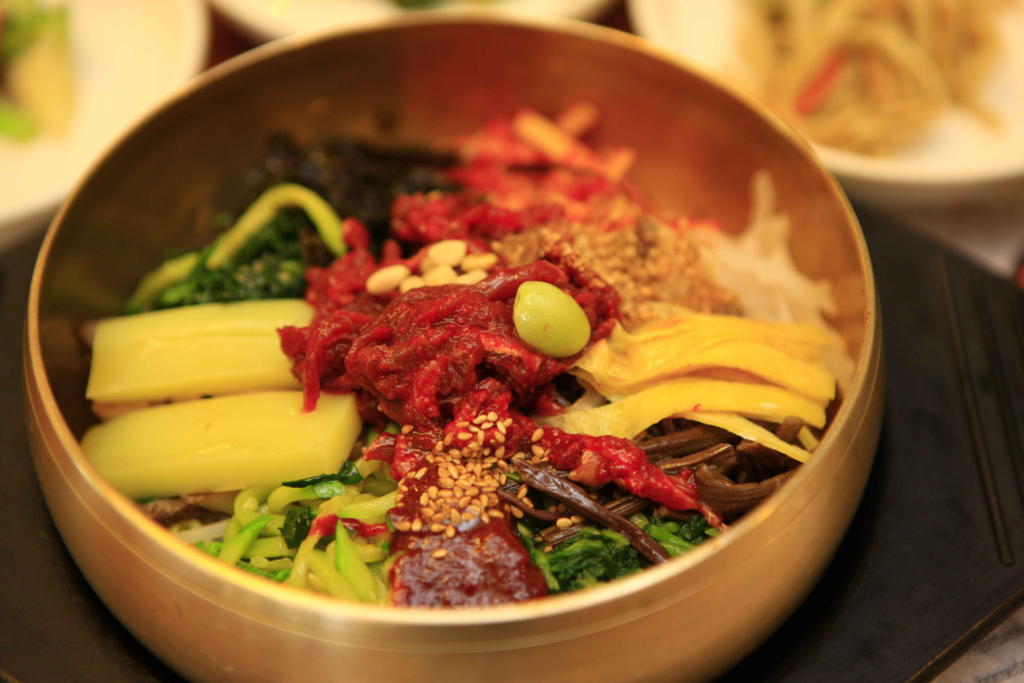
Why try it: Korea’s most famous dish, infinitely customizable
Difficulty: ⭐⭐☆☆☆ (Easy)
Time: 30 minutes
Bibimbap literally means “mixed rice”—and that’s exactly what makes it perfect for beginners. There’s no complicated technique, just assembling ingredients and mixing everything together with gochujang.
What You Need:
- Warm rice (base)
- Any vegetables you have (blanched or sautéed)
- Protein of choice (beef, tofu, or just a fried egg)
- 2-3 tablespoons gochujang
- Sesame oil + sesame seeds
The Key Technique:
Prepare each vegetable separately and season lightly with sesame oil and salt. Arrange everything in sections over rice, add gochujang, then mix thoroughly. The mixing is non-negotiable—it’s what makes bibimbap bibimbap.
Pro tip: Don’t have 5 different vegetables? Use what you have. Traditional bibimbap was a way to use up leftovers anyway.
2. Spicy Tteokbokki: Korean Street Food at Home
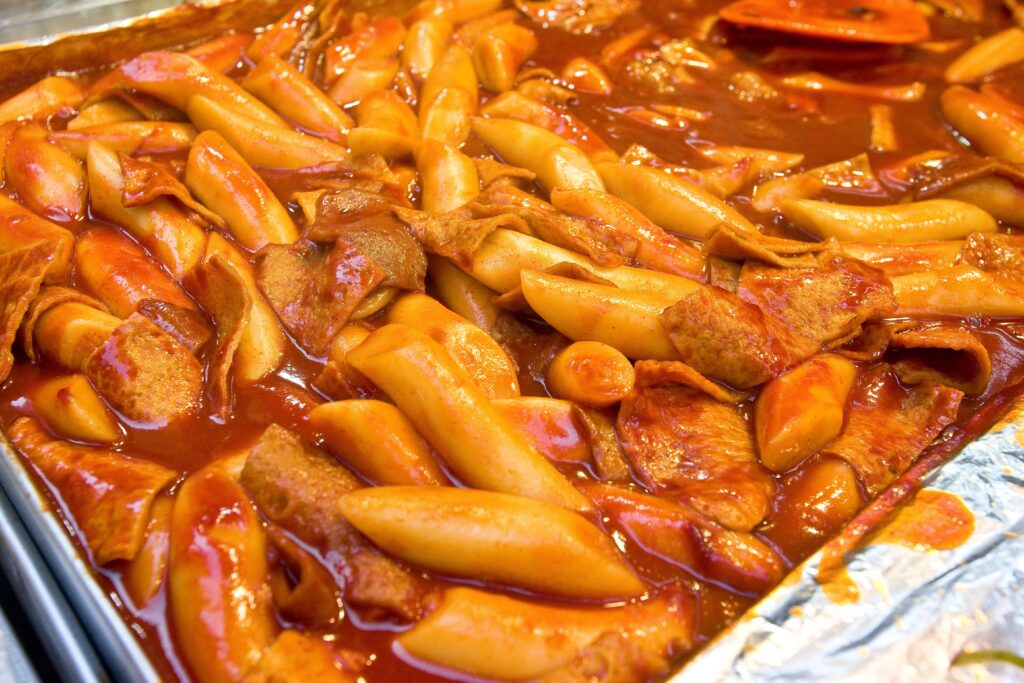
Why try it: Comfort food favorite, only 20 minutes
Difficulty: ⭐⭐☆☆☆ (Easy)
Time: 20 minutes
Chewy rice cakes swimming in spicy-sweet gochujang sauce—this is Korea’s #1 street food snack. The sauce is forgiving (hard to mess up), and the rice cakes do all the work by soaking up flavor as they cook.
What Makes It Work:
Start with water, gochujang, sugar, and soy sauce. Add rice cakes and simmer until the sauce thickens and coats everything. The rice cakes should be soft and chewy, not mushy.
Customize Your Heat Level:
- Mild: 2 tablespoons gochujang, skip gochugaru
- Medium: 3 tablespoons gochujang (recipe standard)
- Extra spicy: Add gochugaru (Korean chili flakes)
Pro tip: The secret to restaurant-quality tteokbokki is reducing the sauce properly. It should cling to the rice cakes, not pool at the bottom of the bowl.
3. Gochujang Marinade: Your Secret Weapon
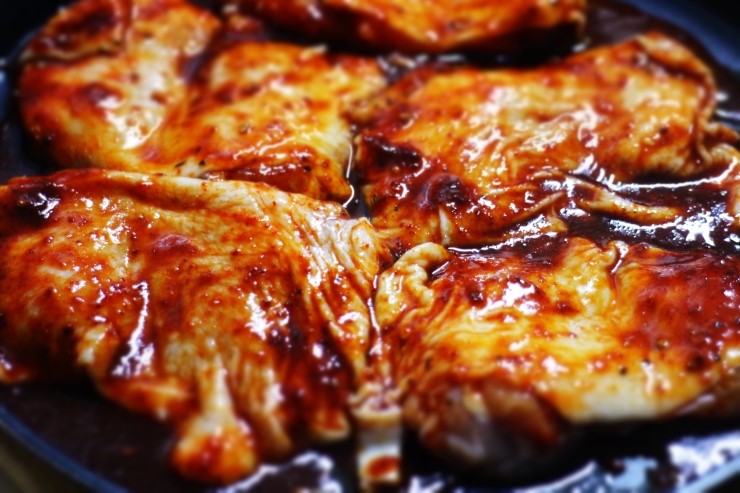
Why try it: Works on everything—chicken, pork, tofu, vegetables
Difficulty: ⭐☆☆☆☆ (Very Easy)
Time: 5 minutes + marinating time
This is the recipe that changed how I cook. One basic marinade works on literally everything you can grill, roast, or pan-fry.
The 5-Minute Formula:
Mix gochujang + soy sauce + honey + sesame oil + garlic + ginger. That’s it. This marinade brings Korean restaurant flavor to chicken thighs, pork belly, beef short ribs, or even cauliflower.
How Long to Marinate:
- Chicken/Pork: 2-4 hours (overnight is fine)
- Beef: 1-2 hours
- Tofu/Vegetables: 30 minutes
Pro tip: Gochujang marinades caramelize beautifully but can burn quickly. Use medium heat and watch carefully when grilling—move to indirect heat if it’s charring too fast.
4. Gochujang Mayo: The Gateway Sauce
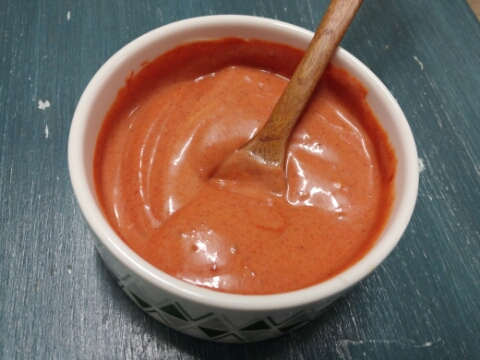
Why try it: Easiest fusion recipe, instant flavor upgrade
Difficulty: ⭐☆☆☆☆ (Very Easy)
Time: 2 minutes
If you only try one recipe from this list, make it this one. Gochujang mayo is stupidly simple—mix mayo with gochujang—and works on absolutely everything.
The Basic Ratio:
- 1/4 cup mayo (Kewpie is best)
- 1-2 tablespoons gochujang
- 1 teaspoon honey or sugar
- 1 teaspoon rice vinegar
Mix, taste, adjust. Start with less gochujang than you think—you can always add more.
Use It On:
- Sandwiches and burgers (spread like regular mayo)
- Dipping sauce for fries, chicken, spring rolls
- Drizzle over rice bowls or poke bowls
- Fish tacos and sushi rolls
Pro tip: This keeps in the fridge for a week. Make a batch on Sunday and use it all week to upgrade boring lunches.
5. Yangnyeom Glaze: Korean Fried Chicken Secret
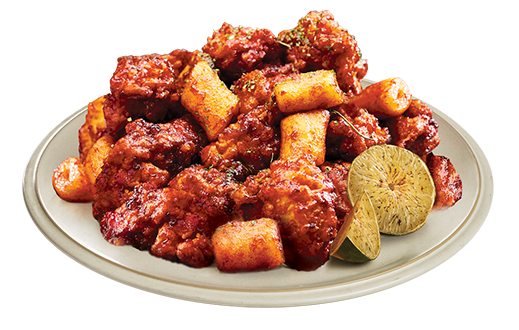
Why try it: Black White Chef favorite, restaurant-quality at home
Difficulty: ⭐⭐⭐☆☆ (Medium)
Time: 10 minutes
This is the sticky, spicy-sweet glaze that made Korean fried chicken famous worldwide. It looks complicated but it’s just seven ingredients simmered until glossy.
The Signature Combo:
Gochujang + ketchup (yes, really!) + honey + soy sauce + vinegar. The ketchup adds tomato sweetness and helps the sauce stick—this is authentic Korean fried chicken technique, not a shortcut.
What to Coat:
- Classic: Korean fried chicken (double-fried for extra crispy)
- Also amazing: Chicken wings, roasted cauliflower, fried tofu, grilled chicken
Pro tip: Make the sauce first, then toss with hot fried chicken immediately. The residual heat helps the sauce stick and creates that signature glossy coating.
How to Store and Use Gochujang
Now that you’re cooking with gochujang regularly, here’s how to keep it fresh:
Storage:
- Refrigerate after opening (essential!)
- Press plastic wrap directly on the surface before sealing the container
- Keeps 1-2 years in the fridge
- Mix thoroughly before using—oils separate naturally
General Cooking Tips:
- Gochujang burns easily → Add near the end of cooking or use medium heat
- Balance is key → Too spicy? Add honey or sugar. Too sweet? Add soy sauce.
- Start small → You can always add more; you can’t take it away
- Different brands vary → Some are sweeter, some spicier. Adjust recipes accordingly.
Your Gochujang Cooking Journey Starts Here
These five recipes cover the essential ways to use gochujang—from traditional Korean classics to modern fusion favorites. Start with the easiest (gochujang mayo takes literally 2 minutes) and work your way up to tteokbokki and yangnyeom chicken.
Each recipe I’ve shared links to a more detailed version with exact measurements, step-by-step photos, and troubleshooting tips. But these summaries give you enough to start cooking today.
Ready for more Korean cooking?
- 3 Korean Fermented Sauces Every Cook Should Know
- Ganjang, Doenjang, Gochujang: Complete Guide to Korean Sauces
- Doenjang vs Miso: Can You Substitute? Complete Guide to Korean & Japanese Fermented Sauces
- 5 Essential Doenjang Recipes (Coming soon)
- How to Cook with Ganjang (Coming soon)
Have you tried any of these gochujang recipes? Which one are you making first? Drop a comment below—I read every single one!
Shared by Oldtree of Mindgrove
Stories of Korea © 2025