
Quick Answer
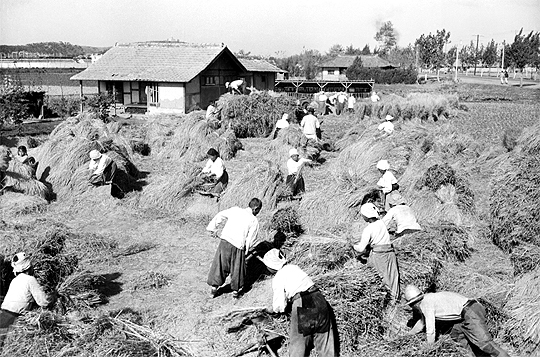
Gosari (고사리, bracken fern) contains ptaquiloside, a compound the WHO classifies as “possibly carcinogenic to humans.” Raw bracken has caused bladder cancer in cattle and appears in studies on gastrointestinal cancer in people who eat it daily without proper preparation.
But Korean traditional methods—boiling young shoots for 10+ minutes, then soaking them in cold water for 12+ hours—remove 70-90% of toxins. When prepared this way, gosari becomes safe to eat occasionally. The key isn’t the plant itself, but knowing how to prepare it correctly.
Other spring greens like wonchuri (daylily) and durup follow similar patterns. What foreigners see as dangerous plants, Koreans see as ingredients needing specific preparation.
Why This Question Comes Up
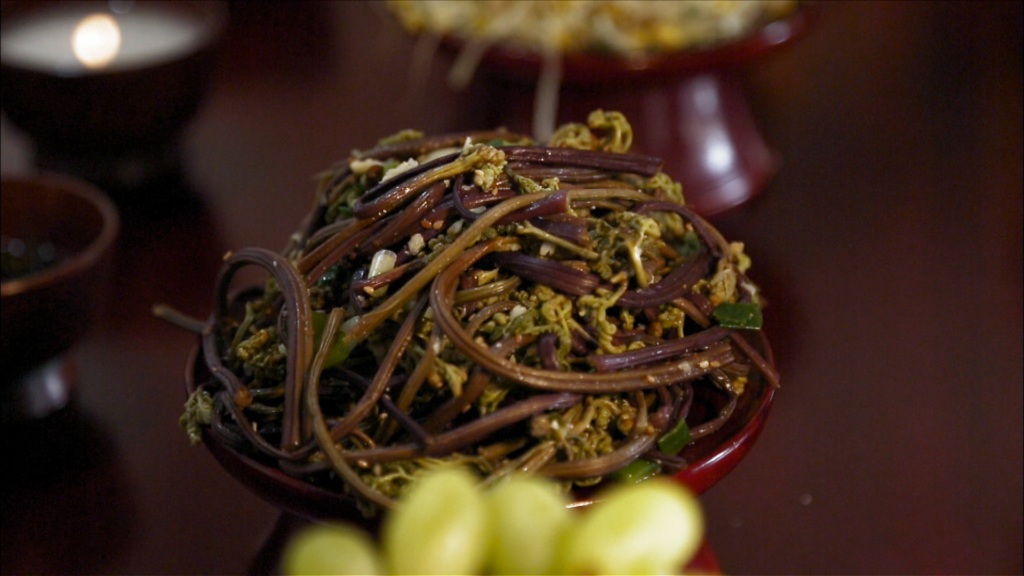
At a Seoul restaurant, my British colleague stared at her bibimbap and Googled the brown, chewy strands. “This is bracken fern. Wikipedia says it causes CANCER IN CATTLE. Why are we eating it?”
The restaurant owner laughed: “Foreigners don’t understand. We boil it properly.”
This is the gap. Western articles warn that gosari is a WHO carcinogen, wonchuri contains colchicine (causes respiratory failure), and durup has saponins (triggers food poisoning). Yet these same plants appear in bibimbap, sell in every Korean market, and sit on ancestral memorial tables.
What looks reckless to outsiders is actually generations of survival knowledge.
Why Koreans Had to Eat These Plants : Gosari
The Spring Starvation Period
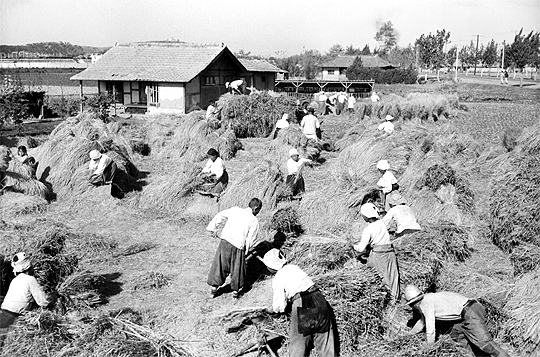
Before the 1960s, rural Korea faced an annual crisis every March to May called bori gogae (보리고개, “barley hump”):
The problem: Last year’s rice is gone. This year’s barley isn’t ripe yet. For three months, there’s nothing to eat.
During bori gogae, families starved. Children died. Villages emptied. This wasn’t ancient history—your Korean friend’s grandmother probably lived through it.
The solution: Eat whatever grows on mountains. Even poisonous plants.
Trial and Error Paid in Lives
Imagine being so hungry you’re willing to try eating bracken fern, knowing other villages lost people to it.
Someone tried it raw. Got sick. Maybe died.
Someone else tried boiling it briefly. Still got sick.
Another person tried boiling longer, then soaking overnight. Survived.
Over generations, through countless illnesses and deaths, Korean villages figured out:
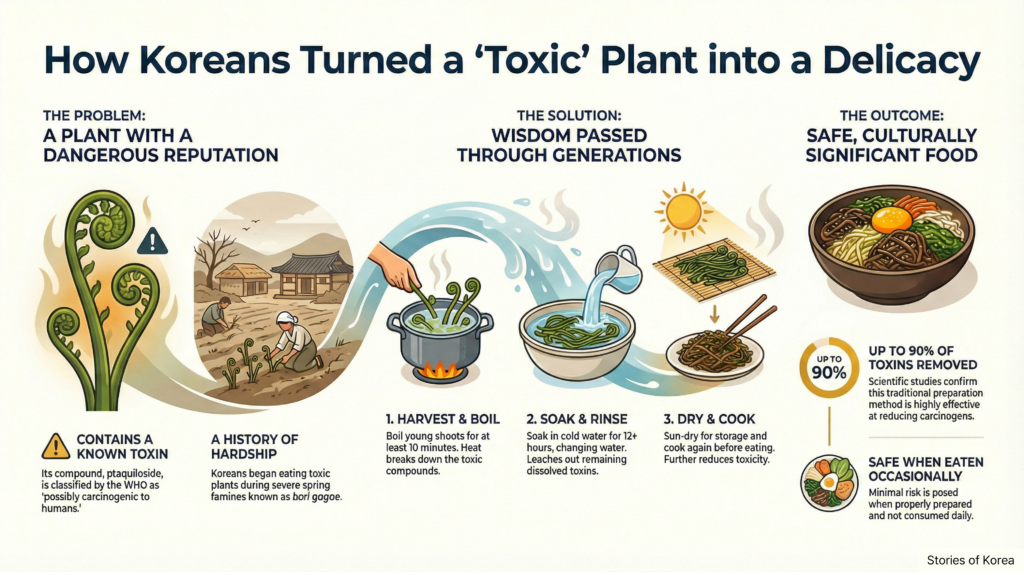
- Pick only young shoots (less toxic than mature plants)
- Boil at least 10 minutes (heat breaks down toxins)
- Soak 12+ hours, changing water multiple times (leaches out remaining poison)
- Sun-dry for storage (further reduces toxicity)
This knowledge cost lives. It wasn’t a fun experiment—it was desperate people trying not to starve.
From Survival Food to Cultural Tradition
The plants that got families through bori gogae became permanent parts of Korean cuisine. Gosari in bibimbap, wonchuri in spring namul, durup in soups—these aren’t random ingredients. They’re reminders of when mountain vegetables meant survival.
Older Koreans, especially those who remember food scarcity or heard stories from parents, see gosari differently than WHO reports do. To them, it’s not “poisonous plant”—it’s “food our ancestors learned to make safe when there was nothing else to eat.”
That’s why Korean grandmothers get annoyed at WHO warnings. They’re not ignoring science. They’re honoring knowledge that kept their families alive.
How Traditional Preparation Works
The Multi-Step Process
Korean preparation of gosari follows specific steps developed through trial and error:
Step 1: Harvest Selection
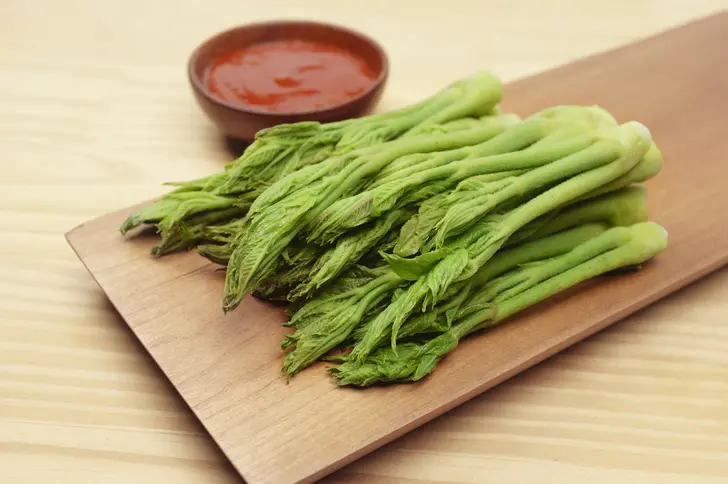
Only pick young, tightly curled shoots (fiddleheads) in spring. Mature bracken has much higher toxin levels and tougher texture. This timing is crucial—wait too long and the plant becomes dangerous.
Step 2: Prolonged Boiling
Boil gosari for minimum 10 minutes, often 20-30 minutes. The heat breaks down ptaquiloside, which is heat-sensitive. This isn’t like blanching vegetables—it needs to be long enough to actually destroy the toxin structure.
Step 3: Extended Soaking
After boiling, soak the gosari in cold water for at least 12 hours, usually overnight. Change the water 3-5 times during soaking. Each water change removes more dissolved toxins. The soaking also pulls out the bitter compounds that make raw gosari unpalatable.
Step 4: Sun-Drying (Optional)
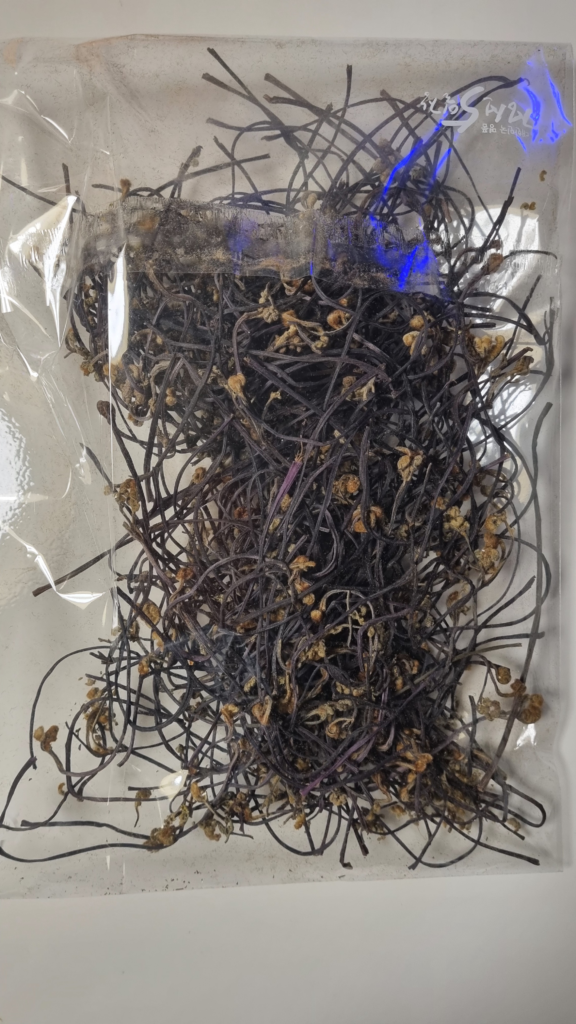
Traditional families sun-dry the prepared gosari to store it year-round. The drying process further breaks down remaining toxins. When you buy dried gosari at Korean markets, it’s already been through this process.
Step 5: Final Cooking
Before eating, stir-fry the prepared gosari with soy sauce, garlic, and sesame oil. This final cooking adds another layer of heat treatment.
What Science Says
Modern research confirms this works. Studies show traditional Korean preparation removes 70-90% of ptaquiloside from gosari. The combination of heat and water-leaching is effective.
But “70-90% reduction” doesn’t mean “100% safe.” Some toxin remains. That’s why health agencies issue warnings. The WHO’s “possibly carcinogenic” classification acknowledges both the toxicity and the lack of proof that properly prepared gosari causes cancer in people who eat it occasionally.
Korean traditional knowledge found a practical solution: reduce toxicity enough that occasional consumption is safe. This matches modern toxicology—the dose makes the poison.
The Toxins Explained (Simplified)
Gosari (Bracken Fern)
Contains ptaquiloside, which damages DNA. Causes bladder cancer in cattle that eat raw bracken. Studies link it to stomach/esophageal cancer in people who eat it daily without proper preparation. Heat and water remove most of it.
Wonchuri (Daylily)
Some species contain colchicine, which disrupts cell division. Can cause vomiting, diarrhea, organ failure. Young flower buds have less colchicine. Blanching reduces what remains.
Durup (Aralia Shoots)
Contains saponins that irritate the digestive system. Causes nausea and gastric distress raw. Brief boiling makes it safe.
The key: all three are safe when prepared correctly. The toxins are either heat-sensitive, water-soluble, or both.
The Cultural Gap
What foreigners see: WHO carcinogen warning, cattle deaths, “why would you risk cancer?”
What Koreans see: Spring tradition, bibimbap ingredient, grandmother’s cooking, ancestors’ survival wisdom, proper preparation methods passed down through generations.
These aren’t the same plant, culturally speaking. Chemically yes, but the meaning is completely different.
Neither perspective is wrong:
- Foreigners avoiding potential carcinogens = rational health choice
- Koreans eating properly prepared gosari = rational cultural choice based on generations of safe consumption
The tension exists because global food safety standards don’t always align with local food cultures. That’s normal in a diverse world.
Is It Actually Safe?
Honest answer: Depends on preparation and frequency.
Safe consumption:
- Properly prepared using traditional Korean methods
- Eaten occasionally (few times per month, not daily)
- Young shoots only, never mature plants
- From reliable sources (Korean markets with pre-processed gosari)
Risky consumption:
- Raw or undercooked
- Daily consumption over many years
- Mature plants instead of young shoots
- Improperly prepared by someone without traditional knowledge
Modern recommendation: If you’re concerned about any cancer risk, don’t eat it. Plenty of other vegetables exist. But if you want to try traditional Korean food, properly prepared gosari eaten occasionally poses minimal risk—similar to other “risky” foods like alcohol or processed meat that people consume globally.
Related Questions You Might Have
This article is part of the series on Korean Foods Foreigners Find Strange.
- What Is Sannakji? Korean Live Octopus Explained — The Oldboy scene: tradition, texture, and danger
- What Is Golbaengi? Korean Sea Snails Explained — British Fishermen Won’t Eat
- What Is Chamoe? The Korean Melon — That Tastes Like Honeydew and Cucumber
- What Is Dotorimuk? Korean Acorn Jelly Explained — Another Korean food that saved lives during famines
Final Thoughts
Next time you see gosari in bibimbap, remember it’s not just a vegetable—it’s proof that desperate people can figure out how to make poison safe when survival depends on it.
Korean confidence in eating “toxic” plants isn’t ignorance of WHO warnings. It’s trust in knowledge that cost lives to develop, refined over generations when alternatives didn’t exist.
Whether you eat gosari is your choice. Just understand that Korean grandmothers aren’t being reckless—they’re honoring the wisdom that kept their families alive during Korea’s harshest seasons.
Shared by Oldtree of Mindgrove
Stories of Korea © 2026