
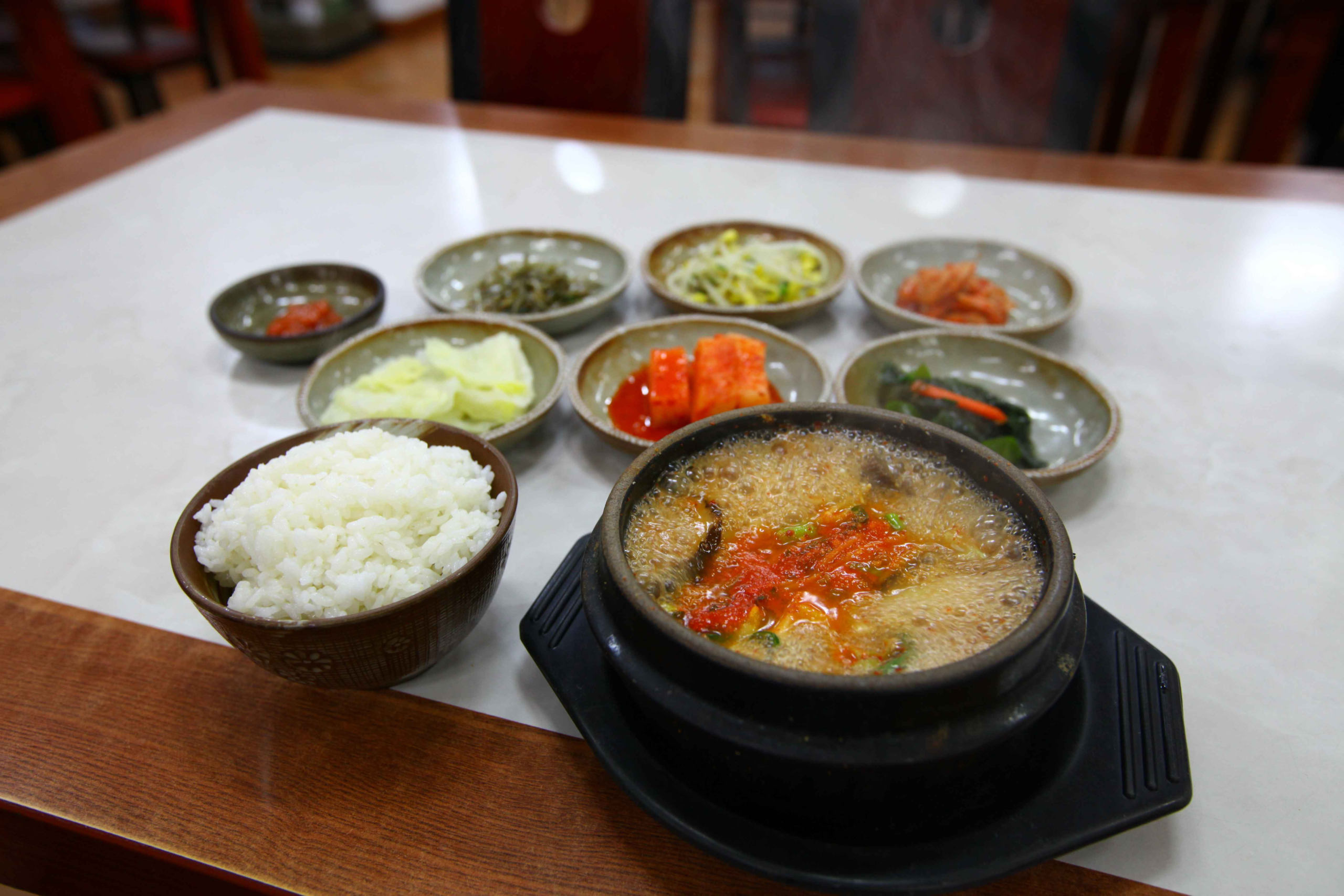
Can You Substitute Miso for Doenjang? (Quick Answer)
Can you substitute miso for doenjang? I get this question constantly from home cooks staring at their pantry, wondering if that jar of miso can save their Korean recipe.
The honest answer: it depends on what you’re cooking.
Both are fermented soybean pastes. Both deliver umami. But doenjang brings a bold, pungent, almost aggressive flavor that sweet, refined miso simply can’t match. Using one for the other doesn’t just change the taste—it changes the soul of the dish.
In this guide, I’ll show you exactly when substitutes work, when they don’t, and what makes Korean and Japanese fermented sauces fundamentally different. Whether you’re making doenjang jjigae or experimenting with fusion cooking, you’ll know exactly what to do.
This is Part 3 of my Korean Jang series. Catch up on Part 1: Korean Jang – The Soul of Korean Cuisine and Part 2: Understanding Korean Jang – History and Uses.
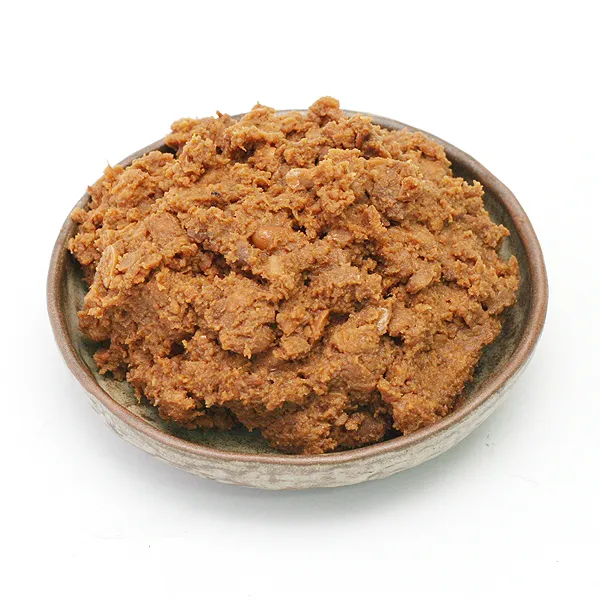
Traditional Korean doenjang - bold, chunky, and intensely savory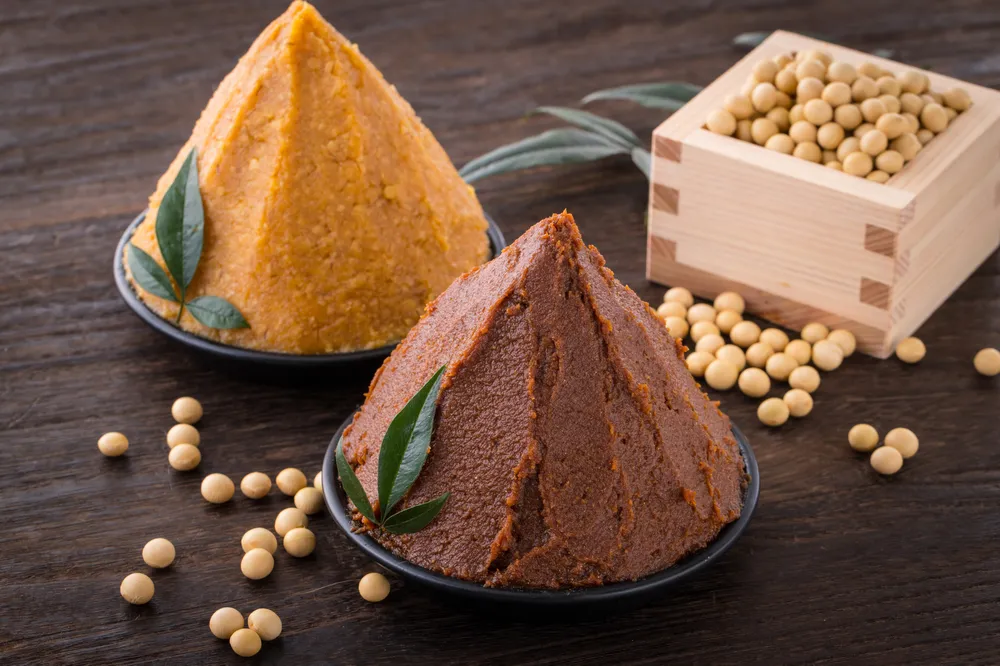
Japanese miso - smooth, refined, and consistently balancedDoenjang (left) and miso (right) – related, but not interchangeable
Doenjang vs Miso: What’s Actually Different?
This is where most confusion starts. People see “fermented soybean paste” and assume they’re basically the same product with different names.
My grandmother’s comparison: “Miso introduces itself politely. Doenjang kicks down the door and announces it’s here.”
Let me break down what makes each one unique.
The Core Differences
Doenjang (Korean Fermented Soybean Paste):
- 100% soybeans (traditional recipes)
- Open-air fermentation in onggi (breathable earthenware jars)
- Wild fermentation from natural bacteria in the environment
- Minimum 6 months aging, often years
- Flavor: Bold, pungent, intensely savory, “funky” in the best way
- Texture: Chunky with visible soybean pieces
Miso (Japanese Fermented Soybean Paste):
- Soybeans + koji rice or barley
- Sealed fermentation in controlled environments
- Specific koji mold strains (Aspergillus oryzae)
- 1 week to 3 years depending on type
- Flavor: Ranges from mild/sweet (white miso) to strong/salty (red miso)
- Texture: Smooth, paste-like, refined
The fundamental difference isn’t just ingredients—it’s philosophy.
Japanese miso aims for consistency and refinement. Korean doenjang embraces the wild, unpredictable character that comes from natural fermentation exposed to the elements.
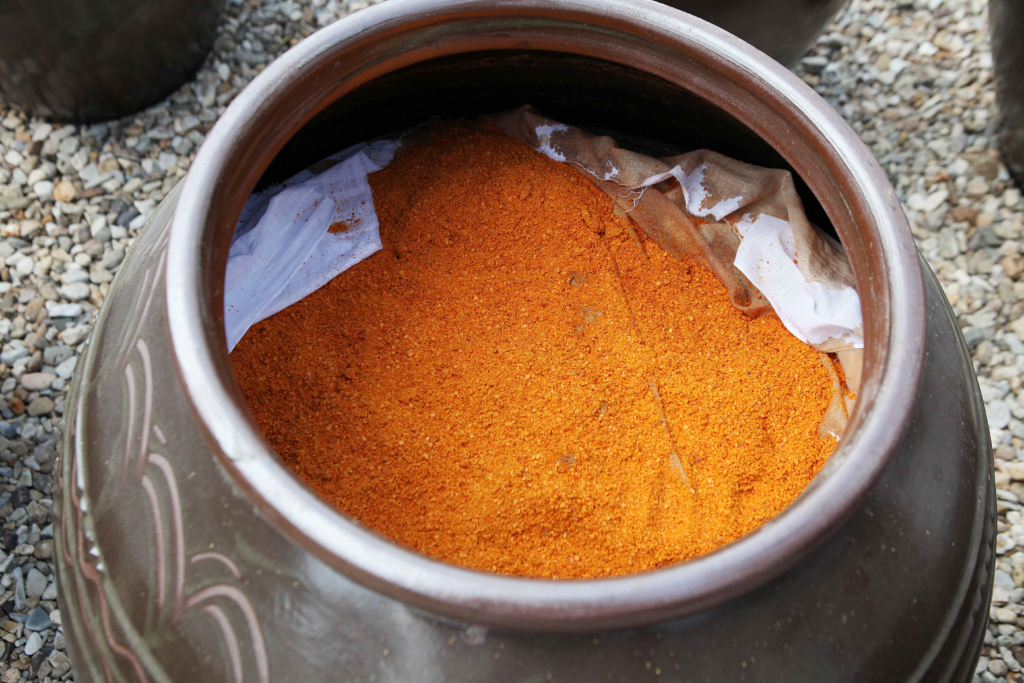
Miso Types at a Glance
If you’re considering miso as a doenjang substitute, not all miso works equally.
White Miso (Shiro Miso):
- Fermented 1-4 weeks
- Sweet, mild, delicate
- Best for: Light soups, dressings, marinades
- ❌ Too mild for doenjang substitute
Red Miso (Aka Miso):
- Fermented 6 months to 2 years
- Strong, salty, rich umami
- Best for: Hearty soups, braises, marinades
- ✅ Best miso substitute for doenjang (but still noticeably different)
Hatcho Miso:
- 100% soybeans, no rice or barley
- Long-aged (2-3 years)
- Intense, complex flavor
- ✅ Closest to doenjang in composition (but smoother, less funky)
When Can You Substitute Miso for Doenjang?
✅ Works Reasonably Well:
- Marinades: Use red miso or hatcho miso, double the amount. The other marinade ingredients (garlic, ginger, sesame oil) will help mask the difference.
- Fusion dishes: When you’re not aiming for authentic Korean flavor, miso works fine.
- Salad dressings: The acidity from vinegar or citrus makes the difference less noticeable.
- Experimental cooking: When you’re creating your own recipes, use what you have.
❌ Doesn’t Work Well:
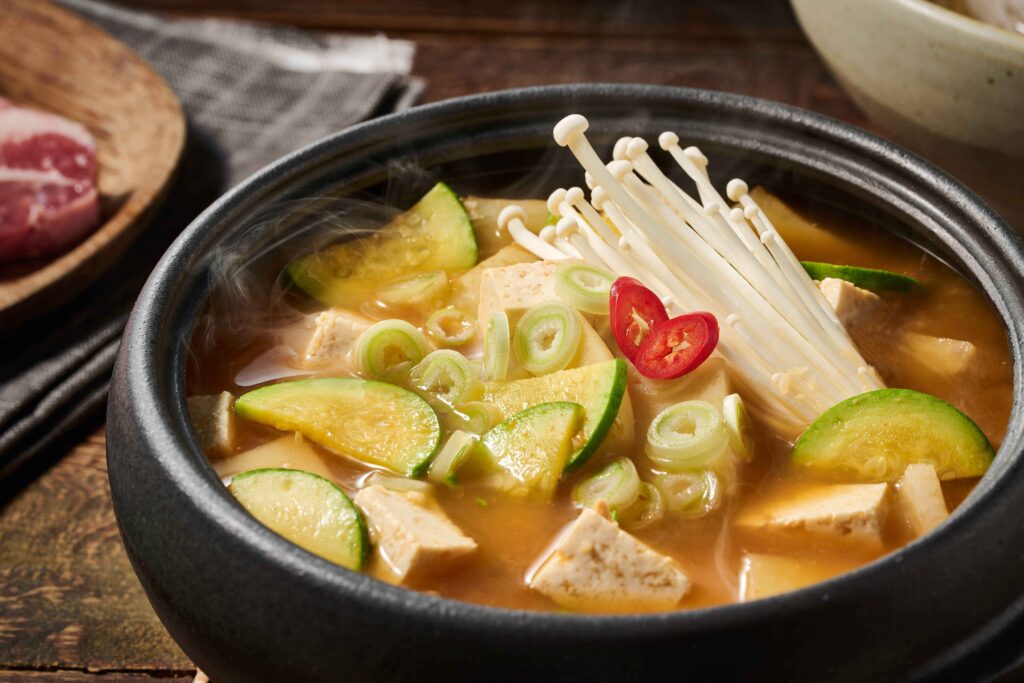
- Traditional doenjang jjigae (Korean soybean paste stew): The soul of this dish IS doenjang. Miso makes a different soup—edible, but not jjigae.
- Ssamjang (Korean lettuce wrap sauce): Needs doenjang’s boldness to stand up to grilled meat and fresh vegetables.
- Doenjang-based banchan (side dishes): When doenjang is the star flavor, substitutes fall flat.
When Can You Substitute Doenjang for Miso?
This direction is trickier because doenjang is so much stronger.
✅ Use for red miso or hatcho miso recipes:
- Use half the amount—doenjang is much more intense
- Taste as you go and adjust
- Works well in hearty, bold dishes
❌ Don’t use for:
- Delicate Japanese soups (the funk overwhelms)
- White miso recipes (completely wrong flavor profile)
- Dishes requiring subtle sweetness
Adjustment Ratios
When you must substitute:
Miso → Doenjang:
- Use 2x the amount of miso
- Add extra salt to compensate
- Consider adding a tiny bit of fish sauce for extra funk
Doenjang → Red Miso:
- Use 1/2 the amount of doenjang
- Taste carefully before adding more
- You might need to add a touch of sweetness
My Honest Take on Doenjang vs Miso
Can you substitute? Yes.
Should you for traditional Korean food? No, if you have access to doenjang.
I’ve made doenjang jjigae with miso when I was desperate. It tasted fine. My American friends loved it. But it didn’t taste like the jjigae my grandmother made. It didn’t taste like home.
It’s like making Italian carbonara with cheddar instead of pecorino romano. Edible? Absolutely. Delicious, even. But fundamentally different from what the dish is supposed to be.
The good news: Doenjang is increasingly available at Korean groceries, Asian supermarkets, and even Amazon. A tub costs $5-8 and lasts months in the fridge. If you cook Korean food more than occasionally, it’s worth having the real thing.
Korean Soy Sauce vs Japanese Soy Sauce: Are They the Same?
Another question I hear constantly: “Can I use Japanese soy sauce for Korean recipes?”
Short answer: Sometimes yes, sometimes no. Let me explain.
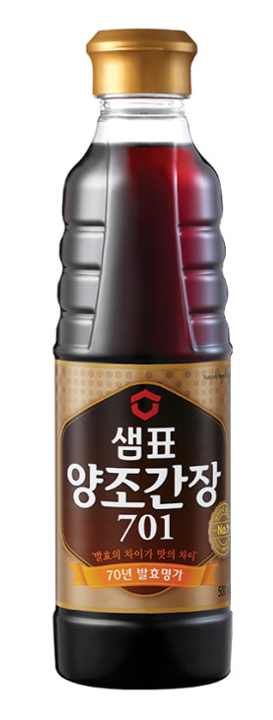
Sempio Yangjo Ganjang 701 - Korea's highest-grade soy sauce with TN 1.7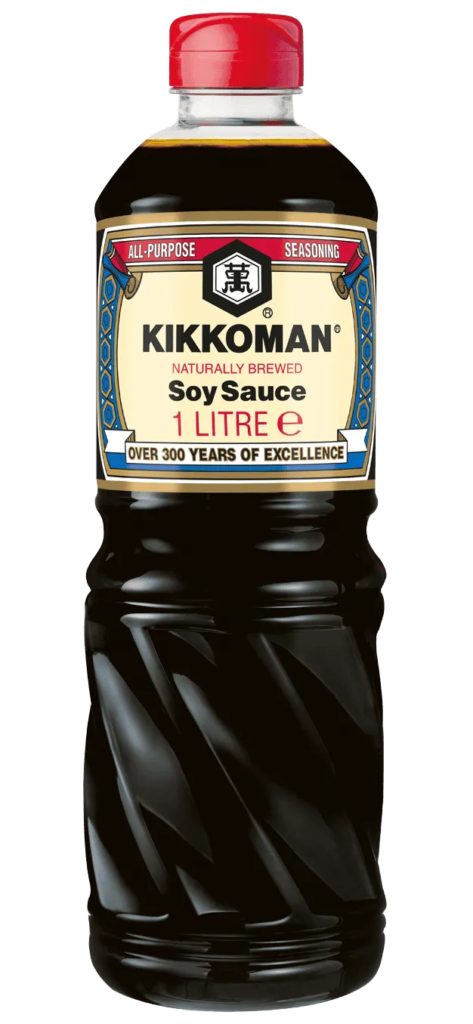
The Main Distinction
All soy sauces trace back to ancient Chinese fermented soybeans, but each culture developed different methods.
Traditional Korean Ganjang (Guk-ganjang / Soup Soy Sauce):
- Born from meju fermentation—the liquid that naturally separates when fermented soybean blocks age in brine
- Creates deep, complex umami
- Very salty, intense flavor
- Best for: Traditional Korean soups, stews, namul (seasoned vegetables)
Modern Korean Yangjo-ganjang:
- Similar production to Japanese shoyu (developed for consistency and affordability)
- Balanced, all-purpose
- What most Korean recipes mean when they say “soy sauce”
Japanese Shoyu:
- Soybeans + wheat fermented with koji mold in controlled environments
- Remarkably consistent, refined, balanced
- Slightly sweet undertone from wheat
- Best for: All-purpose cooking, dipping, sushi
Chinese Soy Sauce:
- Light soy sauce (sheng chou / 生抽): Clean and salty, best for seasoning
- Dark soy sauce (lao chou / 老抽): Rich, slightly sweet, adds color to braises
- Varies significantly by region
Quick Comparison Table
| Type | Best For | Flavor Profile |
|---|---|---|
| Korean Guk-ganjang | Soups, traditional Korean dishes | Complex, intense umami, very salty |
| Korean Yangjo-ganjang | General cooking | Balanced, similar to shoyu |
| Japanese Shoyu | All-purpose | Refined, consistent, slightly sweet |
| Chinese Light Soy | Quick seasoning | Clean, straightforward, salty |
| Chinese Dark Soy | Color, braising | Rich, slightly sweet, thick |
Can You Substitute Japanese Shoyu for Korean Soy Sauce?
For Korean Yangjo-ganjang:
✅ Works well for:
- General cooking, marinades, stir-fries
- Bibimbap sauce, bulgogi marinade
- Modern Korean recipes
⚠️ Note: Reduce sugar slightly in your recipe—shoyu is sweeter than Korean soy sauce
For Traditional Korean Soups (requiring Guk-ganjang):
❌ Not recommended: The flavor difference is noticeable. Traditional soups like miyeok-guk (seaweed soup) or doenjang jjigae rely on guk-ganjang’s specific depth.
If you must substitute, use a mix of regular soy sauce + a bit of fish sauce to add complexity.
My Recommendation
If you cook Korean food regularly, invest in proper Korean soy sauce. Buy two types:
- Yangjo-ganjang for everyday cooking
- Guk-ganjang (soup soy sauce) for traditional soups
For occasional use or fusion cooking, Japanese shoyu works perfectly fine.
Gochujang Substitute: What Works (and What Doesn’t)
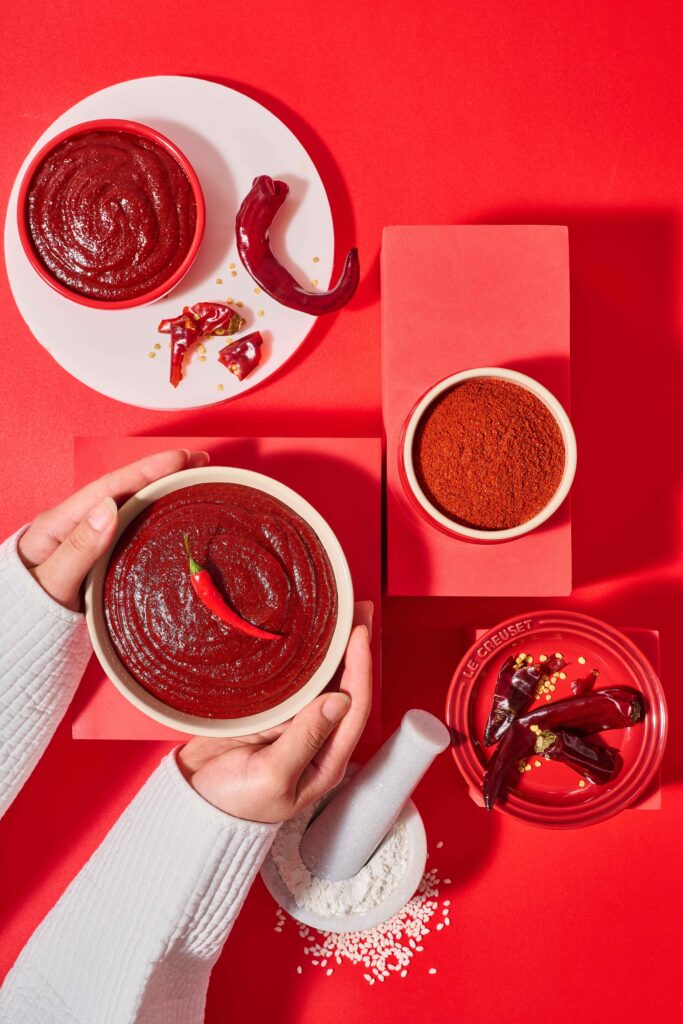
Here’s where things get tricky. Unlike doenjang and ganjang, which have clear relatives in other cuisines, gochujang is remarkably unique.
No other fermented chili paste matches its specific combination of spicy, sweet, savory, and funky.
Why Other Chili Pastes Don’t Match Gochujang
Chinese Doubanjiang (Sichuan Chili Bean Paste):
- Fermented, funky, salty, spicy—but NOT sweet
- Sharper, more aggressive heat
- Different fermentation base (fava beans + chilies)
Sambal (Indonesian/Malaysian Chili Paste):
- Heat-forward, aromatic—but NOT fermented or sweet
- Thinner consistency
- Fresh chili flavor rather than aged complexity
Thai Nam Prik Pao (Thai Chili Paste):
- Sweet and savory—but NOT fermented
- Different umami source (shrimp paste vs fermented soybeans)
- Different heat profile
What Makes Gochujang Unique
Gochujang delivers five elements simultaneously:
- Fermented complexity (from meju-garu, fermented soybean powder)
- Natural sweetness (from fermented glutinous rice)
- Rounded heat (from Korean gochugaru, red chili flakes)
- Thick, sticky texture (from the rice base)
- Months of aging that melds all flavors together
No single ingredient replicates all five.
Emergency Gochujang Substitute (If Absolutely Necessary)
If you’re in a pinch and absolutely cannot get gochujang, here’s a DIY approximation:
DIY Gochujang-Style Paste:
Mix together:
- 3 tbsp red miso (fermented umami)
- 2 tbsp tomato paste (color, thickness)
- 1-2 tbsp chili flakes or Korean gochugaru if available (heat)
- 1 tbsp honey or brown sugar (sweetness)
- 1 tsp soy sauce (saltiness)
- 1/2 tsp sesame oil (richness)
Will it taste like gochujang? No.
Does it provide sweet-spicy-savory balance? Yes.
Use this ONLY for:
- Emergency situations when stores are closed
- Marinades where other flavors dominate (garlic, ginger, sesame)
- Fusion experiments where you’re not aiming for authentic Korean flavor
Don’t use for:
- Traditional Korean dishes like bibimbap or tteokbokki
- Dishes where gochujang is the star flavor
- Cooking for Korean guests or Korean food enthusiasts
Quick Alternatives for Specific Uses
For marinades: Sriracha + honey + touch of miso
For dipping sauces: Sweet chili sauce + miso + chili flakes
For stir-fries: Doubanjiang + sugar (use less—it’s much saltier)
My Strong Recommendation on Gochujang
Gochujang has NO good substitute. If you’re cooking Korean food beyond casual experimentation, gochujang is non-negotiable.
The good news: It’s widely available now. You can find it at:
- Korean groceries (H-Mart, 99 Ranch)
- General Asian supermarkets
- Amazon and online retailers
- Many mainstream grocery stores (near international foods)
A tub costs $5-8, lasts months (even years) in the refrigerator, and transforms your cooking. Buy the real thing.
When You Should NEVER Substitute (And Why It Matters)
Throughout this guide, I’ve given you practical substitution advice. But I want to share something my grandmother taught me about respect and food.
Borrowing vs Replacing
There’s a difference between:
Respectful borrowing: “I’m making Korean-inspired food with what I have. I know this isn’t authentic, but I’m learning and appreciating the tradition.”
Thoughtless replacing: “Miso and doenjang are basically the same, right? They’re both just fermented soybean paste.”
The first shows humility and curiosity. The second erases distinctions that matter deeply to people who created and preserved these traditions.
Each Sauce Carries History
Japanese miso, perfected over centuries, reflects:
- Japan’s climate and seasonal rhythms
- Available ingredients (koji rice cultivation)
- Cultural aesthetic preferences for refined subtlety and consistency
- Specific regional variations (Kyoto’s sweet white miso, Nagoya’s bold hatcho miso)
Korean doenjang developed differently because:
- Harsher Korean winters required different fermentation strategies
- Different fermentation environments (outdoor onggi vs indoor sealed containers)
- Cultural appreciation for bolder, more assertive flavors
- Agricultural traditions centered on soybeans rather than rice
None is “better.” They’re different because they come from different places, different needs, different values.
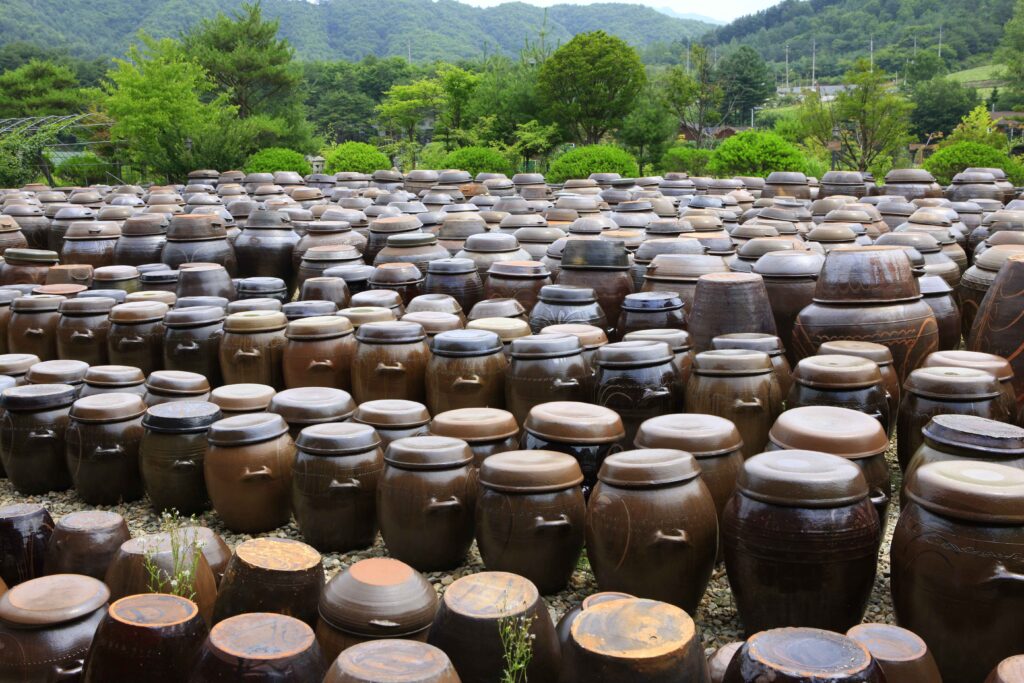
My Grandmother’s Wisdom
“When you use our jang, you’re tasting our grandmothers’ hands, our winters, our waiting. When you use their jang, you’re tasting their story. Both are beautiful. Don’t confuse them.”
This isn’t gatekeeping. It’s invitation.
I want you to try Korean food. I want you to cook with gochujang and doenjang and discover flavors that might be new to you. I want you to experiment and adapt and make these ingredients your own.
But I also want you to understand that when you choose authentic ingredients over substitutes—when you wait for the right sauce instead of making do—you’re honoring not just a recipe, but centuries of human wisdom.
Quick Reference: When to Substitute Korean Fermented Sauces
Use this decision matrix to guide your choices:
High Priority – Get the Real Thing
- Traditional Korean soups and stews (doenjang jjigae, guk)
- Signature dishes where jang is the star (bibimbap, tteokbokki, ssamjang)
- When cooking for someone from that culture
- When you’re learning authentic Korean cooking
Medium Priority – Substitutes Acceptable
- Marinades for grilled meats (other flavors dominate)
- Fusion dishes (you’re creating something new anyway)
- Quick weeknight meals (convenience matters)
- Experimental cooking (learning through trial)
Low Priority – Substitute Freely
- Personal creative cooking for yourself
- When the ingredient is a minor component
- Budget constraints or limited access
- You’re just starting to explore Korean flavors
Your Korean Pantry Starter Kit: What to Buy First
If you’re building a Korean pantry from scratch, here’s my recommended priority:
Just Starting Korean Cooking:
Start with: Gochujang
- Most versatile Korean sauce
- Longest shelf life (years in fridge)
- Hardest to substitute effectively
- Opens up: Bibimbap, tteokbokki, marinades, dipping sauces
Getting Serious About Korean Cooking:
Add to your collection:
- Korean yangjo-ganjang (all-purpose soy sauce)
- Guk-ganjang (soup soy sauce)
- Doenjang (fermented soybean paste)
- Gochujang (you already have this)
Total investment: ~$25-30
Shelf life: Months to years
What you can make: 90% of Korean recipes
Fermented Sauce Enthusiast:
Expand to explore:
- Different doenjang brands and ages
- Ssamjang (pre-mixed lettuce wrap sauce)
- Chogochujang (gochujang mixed with vinegar)
- Compare Korean, Japanese, and Chinese versions side by side
Collecting and comparing different fermented sauces becomes genuinely fascinating once you understand what to look for.
Closing Thoughts: Stories in Every Spoonful
We’ve reached the end of this guide on Korean fermented sauces and their global counterparts.
You now know:
- How doenjang vs miso differ (and when you can substitute)
- Why Korean soy sauce isn’t the same as Japanese shoyu
- What makes gochujang so unique (and why substitutes fall short)
- When to insist on authenticity and when flexibility is fine
But beyond substitution ratios and flavor profiles, I hope you’ve gained appreciation for how much care, time, and cultural meaning lives inside these humble fermented pastes.
Every time I open my jar of doenjang—now living in America, cooking in a modern kitchen far from Korea—I think of my grandmother’s jangdokdae. Those earthenware jars sitting outside, aging under Korean skies. Her hands mixing the meju, her patience waiting through seasons, her wisdom knowing exactly when the jang was ready.
I can buy doenjang at H-Mart now, factory-made and consistent. But knowing the history, understanding the process, respecting the tradition—that makes every spoonful taste richer.
Whether you’re Korean or not, whether you’re cooking traditional dishes or fusion experiments, whether you’re using authentic ingredients or smart substitutes—you’re now part of this story.
These sauces aren’t just seasonings. They’re time made edible, patience made savory, culture made delicious.
Thank you for reading. May your jang bring depth to your food and connection to your table.
Complete the Korean Jang Series:
- Part 1: 3 Korean Fermented Sauces Every Cook Should Know
- Part 2: Ganjang, Doenjang, Gochujang: Complete Guide to Korean Sauces
- Part 3: You are here!
Ready to Cook?
Shared by Oldtree of Mindgrove
Stories of Korea © 2025