
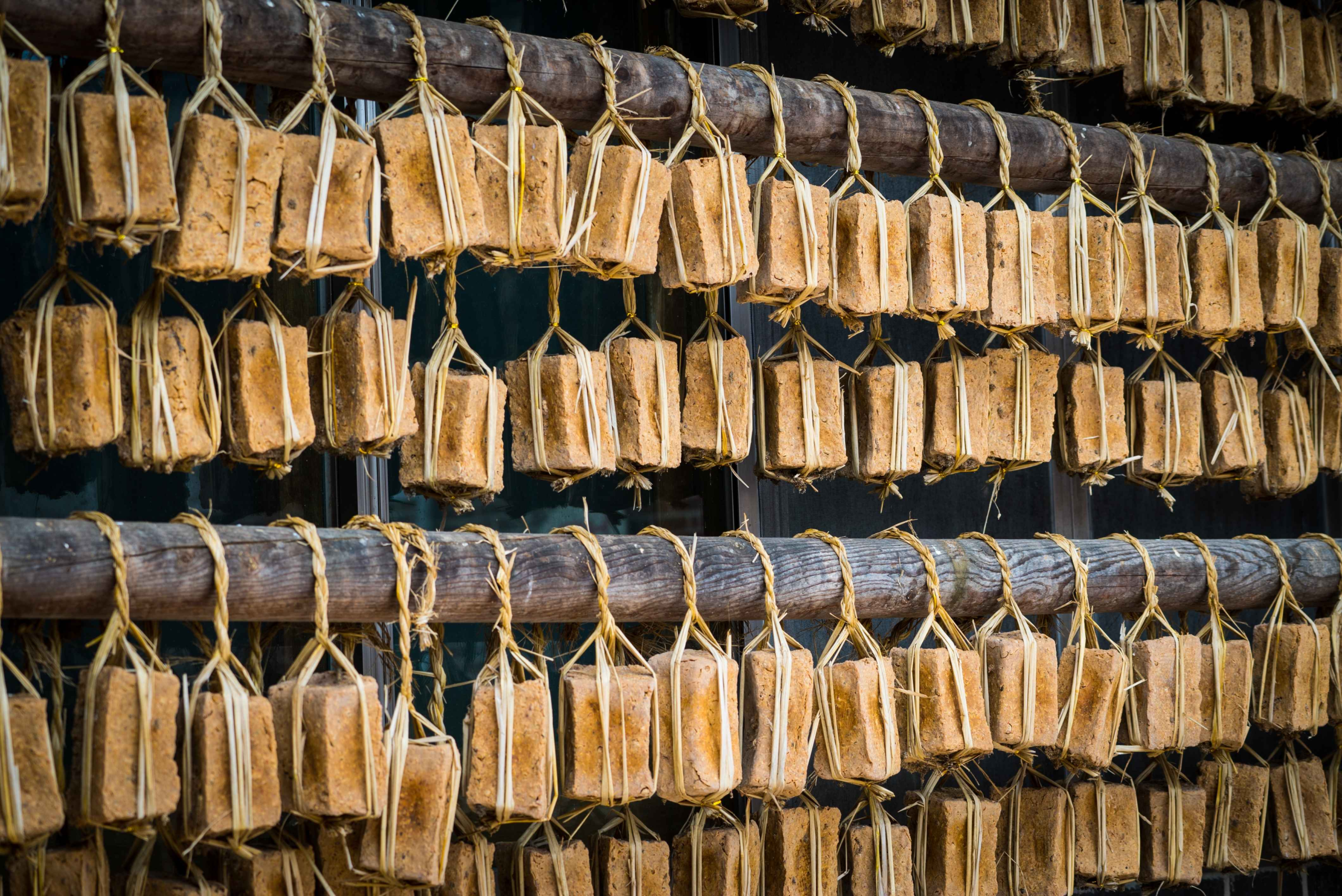
If you’ve explored Korean cooking, you’ve probably encountered three mysterious names: ganjang, doenjang, and gochujang. They’re Korea’s essential fermented sauces—but what exactly are they, and why does Korean cuisine rely on them so heavily?
These aren’t just condiments. They’re the result of 2,000 years of fermentation wisdom, each with distinct flavors, histories, and uses. Understanding ganjang, doenjang, and gochujang transforms Korean cooking from confusing to intuitive.
In this guide, I’ll walk you through each Korean fermented sauce: their fascinating histories, what makes their flavors unique, and practical guidance on using them in your own kitchen—whether you’re cooking traditional Korean dishes or experimenting with fusion flavors.
(Note: This is Part 2 of our Korean Jang series. New here? You can start with Part 1: Understanding Korean Jang Philosophy, but this guide works as a standalone resource.)
Part 1: 3 Korean Fermented Sauces Every Cook Should Know
Ganjang (간장): Korea’s Liquid Foundation
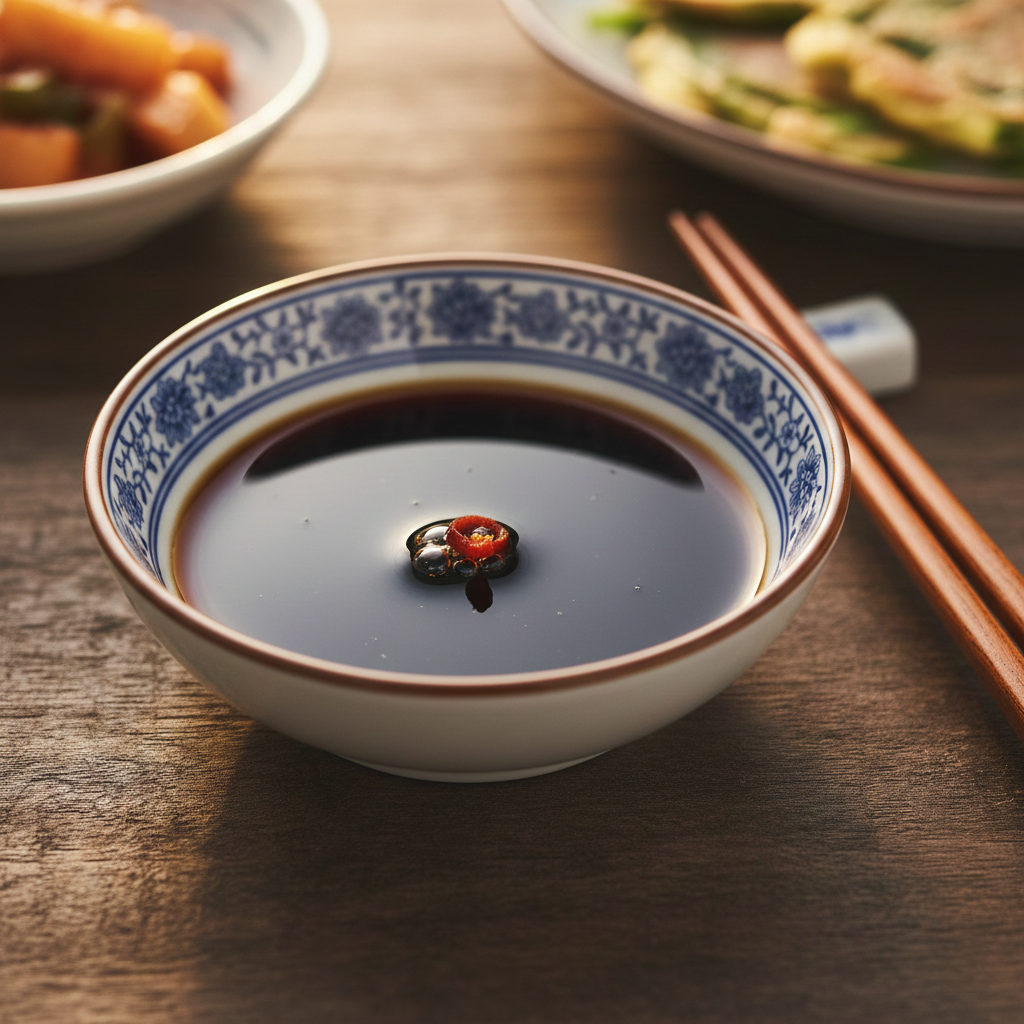
Is It Just Korean Soy Sauce?
A 2,000-Year Legacy
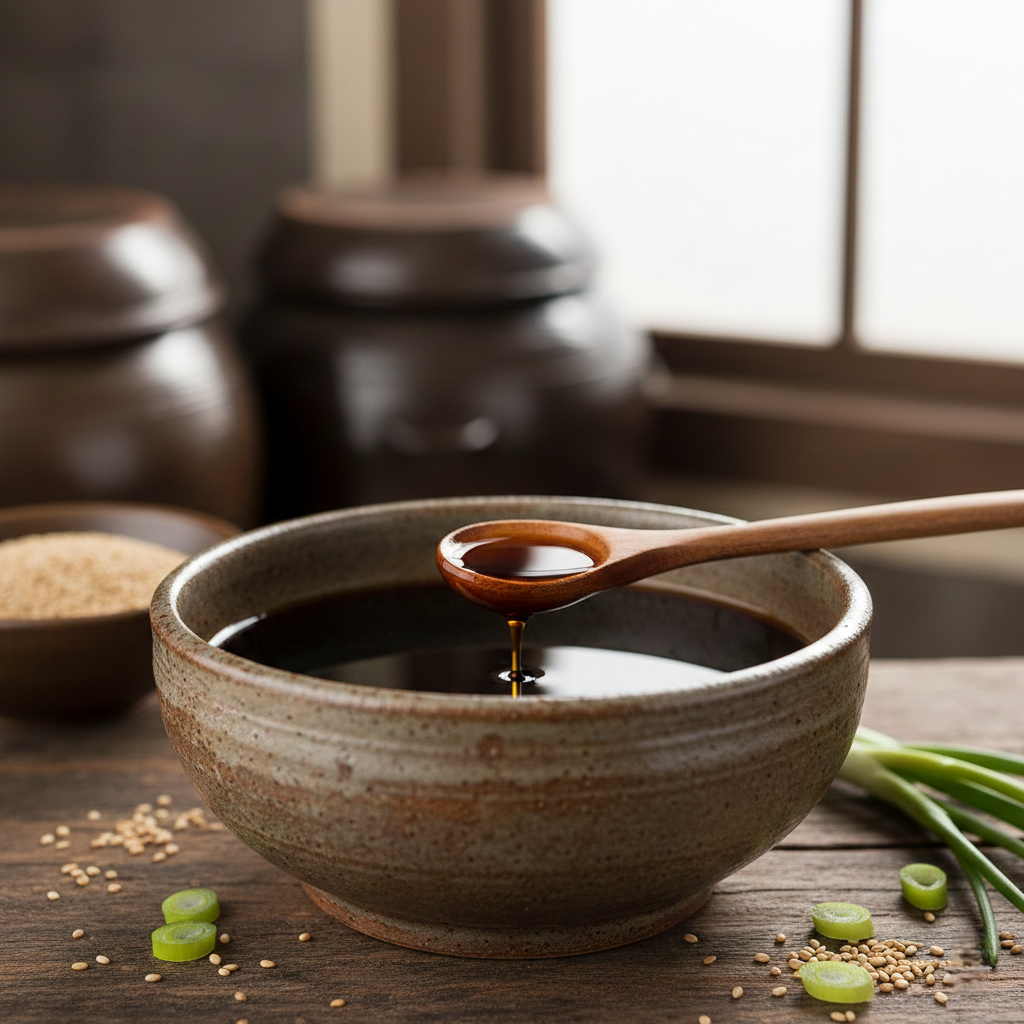
Ganjang’s history stretches back over 2,000 years. Records from 683 AD show it was prepared for King Sinmun’s royal wedding ceremony, and Chinese texts from the 3rd century mention Goguryeo people’s fermentation skills—evidence that Korean jang traditions were already respected throughout East Asia.
What makes Korean ganjang unique is its evolution alongside doenjang. Unlike Chinese and Japanese soy sauces that use direct fermentation, ganjang is the liquid that naturally separates from fermented meju (soybean blocks) aging in brine—a process that creates incomparable umami depth.
My grandmother called ganjang “the mother’s tears”—the precious liquid that separated after months of patient fermentation. She saved the clearest pour for ancestral ceremonies, recognizing that this liquid represented months of transformation.
Why Ganjang Tastes Different
Traditional guk-ganjang develops deep umami through months of natural fermentation—liquid separating from aged meju creates complexity that faster methods can’t replicate. Modern yangjo-ganjang is cleaner and more consistent, while traditional ganjang has layered notes of caramel and nuts that deepen with years. Three-year-old ganjang tastes completely different from one-year-old.
Three types of Korean soy sauce:
- Guk-ganjang (국간장): Light, very salty, for soups
- Yangjo-ganjang (양조간장): Dark, balanced, general cooking—most common
- Jin-ganjang (진간장): Aged 3-5+ years, intense umami, premium
How to Use Ganjang
Ganjang serves as the foundation for Korean seasoning, used in place of salt to build umami layers.
In Soups and Stews:
Korean soups rely on ganjang for seasoning. Add near the end of cooking to preserve complex flavors. Guk-ganjang is preferred for its ability to season without darkening clear broths. Start with less than you think—it’s very salty.
In Marinades:
Combine with sugar, sesame oil, garlic, and ginger for bulgogi or galbi. Add gochugaru for spicy marinades, or grated pear for tenderizing.
In Banchan:
Essential for soy-marinated eggs and seasoned vegetables. Ganjang adds savory depth that plain salt can’t provide.
My Grandmother’s Secret:
She would add a tiny splash of aged ganjang—just a teaspoon—to almost-finished dishes right before serving. That final umami boost ties everything together—what modern cooks try to achieve with MSG, but richer.
→ Want recipes? Check out our Essential Ganjang Recipes for step-by-step marinades, banchan, and cooking techniques.
Doenjang (된장): The Earthy Heart
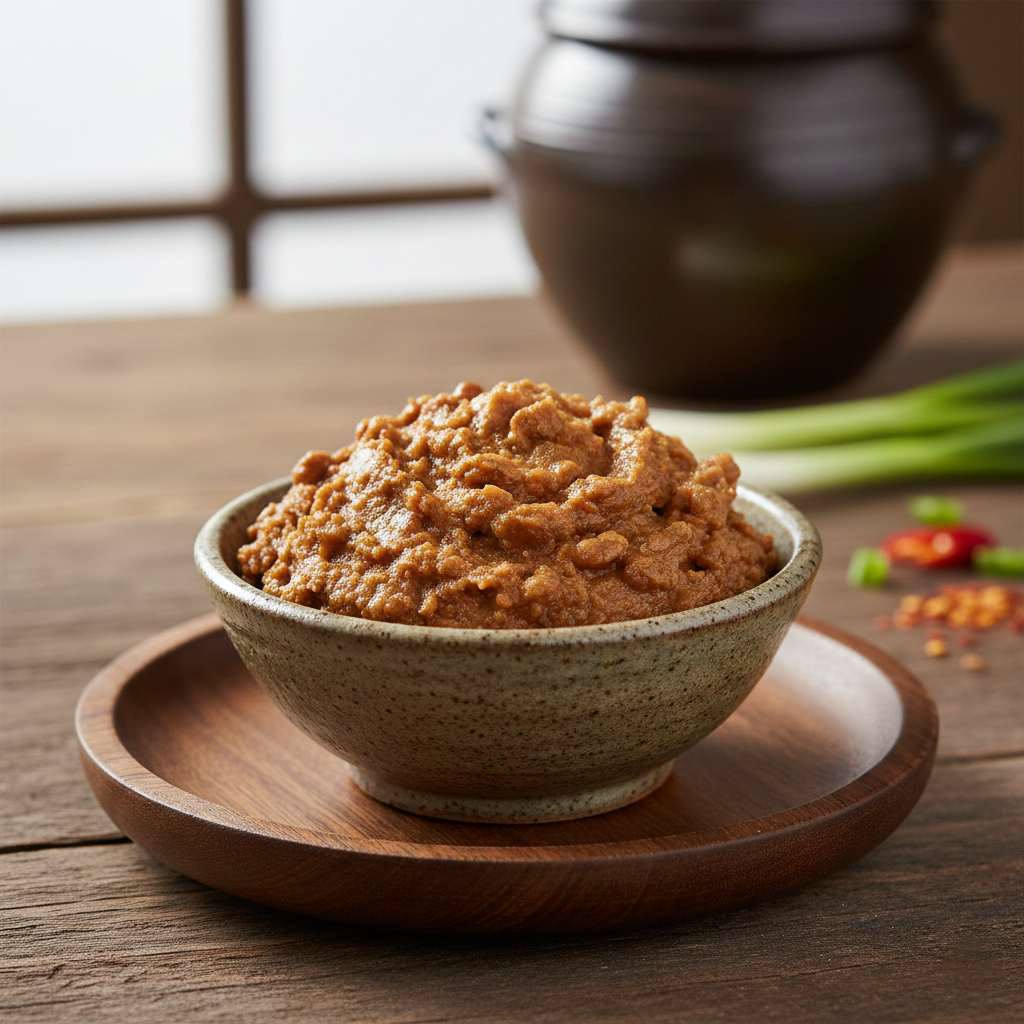
What Makes It Different from Miso?
From Survival Food to Cultural Icon
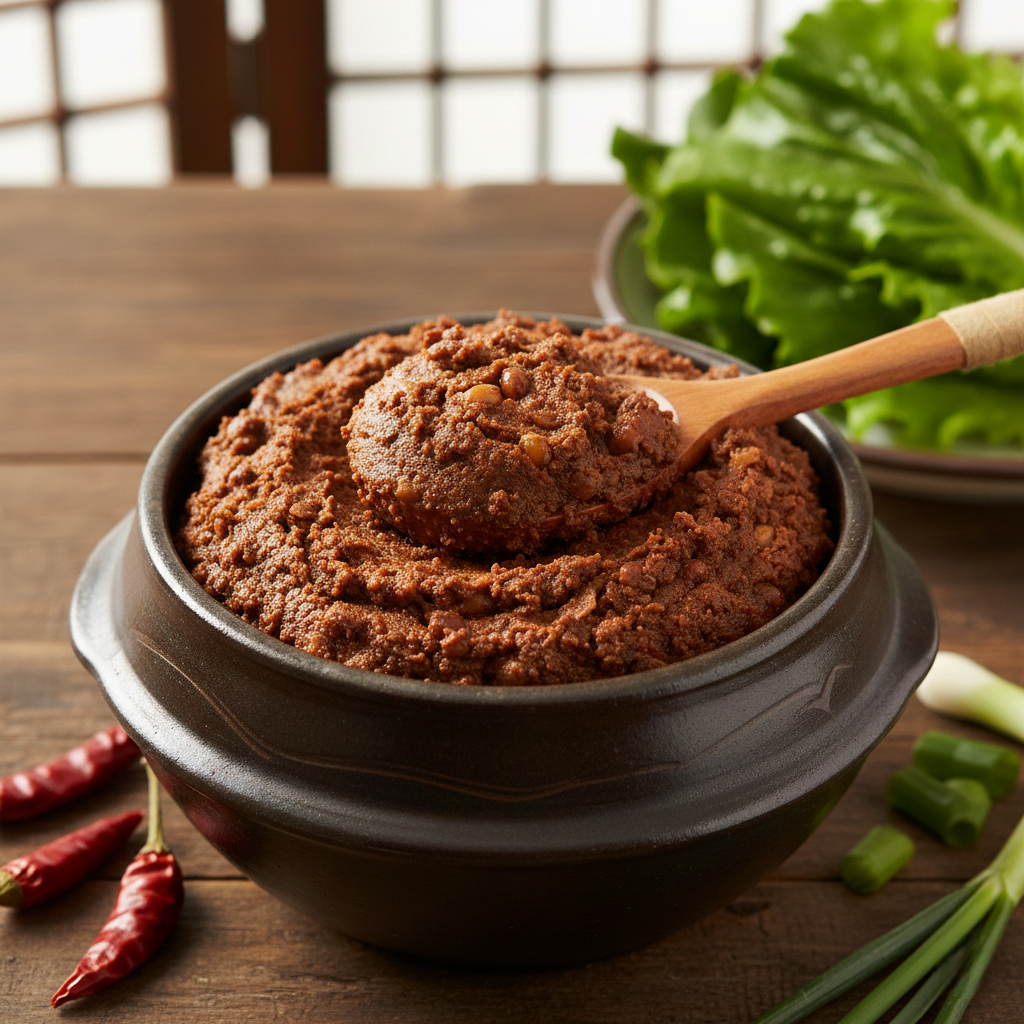
Doenjang shares ganjang’s ancient origins—they’re born from the same fermentation. But doenjang’s role evolved differently. While ganjang became refined seasoning for aristocratic cuisine, doenjang remained the people’s food—protein for farmers, umami for Buddhist temple food, the soul of home cooking.
During Korea’s hardest periods—Japanese occupation, the Korean War, the poverty that followed—doenjang sustained people. My grandmother told me that when everything else was scarce, the jang pots kept the family alive. The jang made in better times continued fermenting, continued providing, continued being the one reliable thing.
This history is why doenjang carries such emotional weight. It’s not just food—it’s resilience made edible.
“A Person Like Doenjang”
In Korean, we say “된장 같은 사람” (doenjang gateun saram)—”a person like doenjang.” It’s a profound compliment meaning someone who gets better with time, someone essential, someone whose true value you don’t fully appreciate until they’re gone.
My grandmother was a person like doenjang. The older she got, the more wisdom she carried, the more essential she became. When my mother inherited grandmother’s jang pots, some contained doenjang over ten years old. We still use it sparingly, knowing each spoonful is irreplaceable.
That’s what doenjang teaches: the best things can’t be rushed, can’t be replicated, can only be received as gifts from time.
Why Doenjang Tastes Bold (And How It Differs from Miso)
Many people ask: “Is doenjang the same as miso?” The short answer is no—though they’re related.
Doenjang vs miso:
- Fermentation method: Doenjang uses whole soybean meju blocks fermented outdoors for months; miso uses koji (rice/barley mold) mixed with soybeans
- Texture: Doenjang is chunkier with visible soybean pieces; miso is smoother, more paste-like
- Flavor: Doenjang is more pungent, earthier, funkier; miso is milder, sweeter, more refined
- Aging: Traditional doenjang often ages for years; most miso ages for weeks to months
- Regional variation: Each Korean family’s doenjang tastes different due to local microbiomes; Japanese miso has more standardized regional types
Doenjang’s pungent flavor comes from months (often years) of open-air fermentation. Traditional doenjang develops through natural bacteria interacting with the environment—the specific air, seasonal temperature changes, the microbiome of a family’s jang pots. This is why each traditional doenjang tastes different.
The “funk” some find challenging? That’s fermentation depth. The chunks of soybean? That’s authenticity. Modern commercial doenjang is milder and more approachable—a good entry point. But traditionally fermented doenjang aged for years has incomparable complexity.
Can you substitute miso for doenjang?
In a pinch, yes—but use darker miso (red or brown) and expect milder flavor. You may need to add more to achieve similar depth.
How to Use Doenjang
In Stews (Jjigae):
Doenjang jjigae is THE doenjang dish—Korean comfort food. The paste is dissolved in broth with vegetables, tofu, and optional protein, then simmered until flavors meld. The key is cooking long enough for the doenjang to mellow.
As Ssamjang:
Mix with gochujang, sesame oil, and aromatics for the essential Korean BBQ dipping sauce.
As Seasoning:
Add to stir-fries, soups, or marinades anywhere you want deep savory flavor. Works especially well in vegetable soups.
Essential Tips:
- Always dissolve in liquid first to prevent lumps
- Start with less—it’s intense
- Balance with sweetness (sugar, honey) or fat (sesame oil)
- Store-bought too salty? Briefly rinse under water first
→ Ready to cook? See our 5 Essential Doenjang Recipes for detailed guides to jjigae, ssamjang, and creative uses.
Gochujang (고추장): The Passionate Fire
Understanding Korea’s Sweet-Spicy Balance
The Ironic Birth of Korean Identity
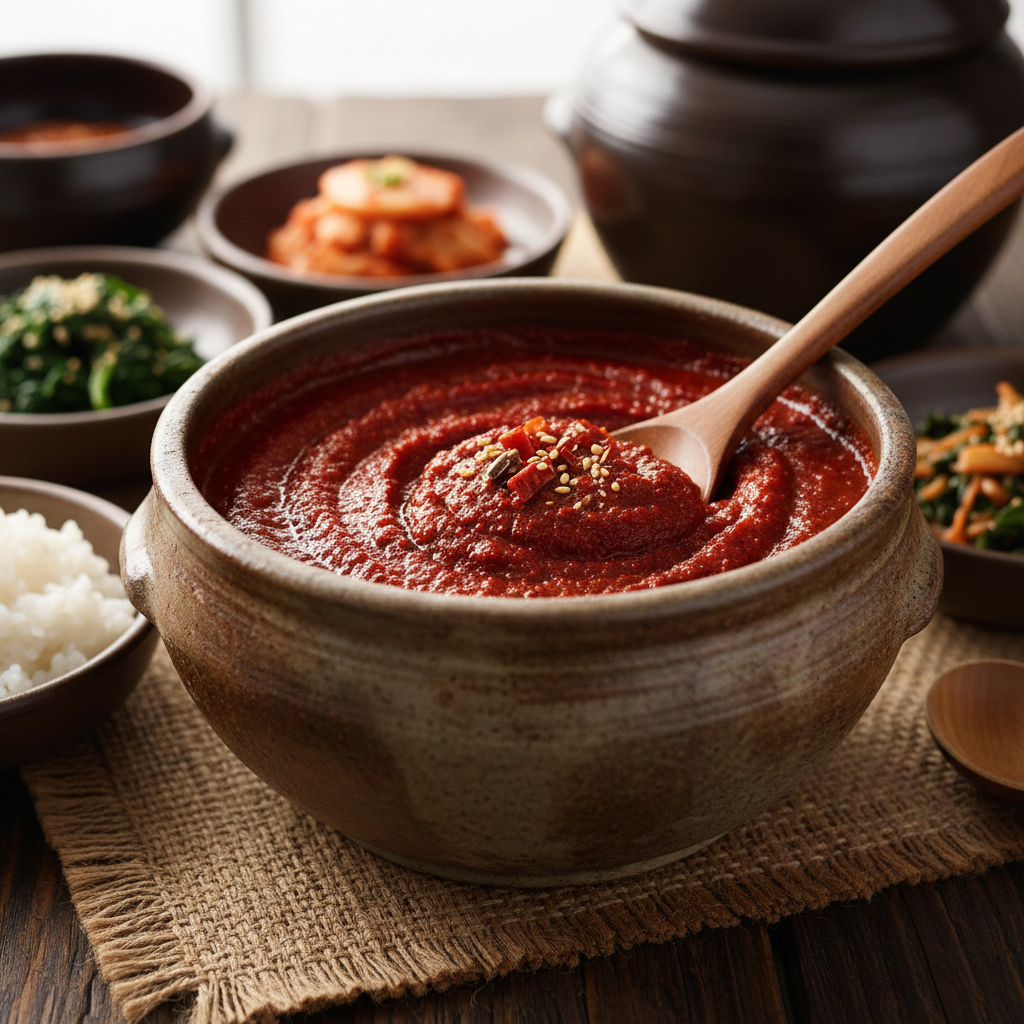
Gochujang has the most dramatic origin story. Chili peppers aren’t native to Korea—they arrived in the late 16th century through Portuguese traders and, ironically, through the devastating Japanese invasions (1592-1598) that killed hundreds of thousands.
The irony cuts deep: invasions that traumatized the nation also introduced the ingredient that would become central to Korean culinary identity.
But this is the Korean way—taking something born of suffering and transforming it into something beautiful. Within 200 years, gochujang had become essential. My grandmother used to say: “We took what hurt us and made it ours.” She wasn’t just talking about chili peppers.
The Philosophy of Spice
Korean culture has a unique relationship with spicy food. The word maeun-mat (매운맛, “spicy taste”) isn’t just about food—it’s a metaphor for life’s challenges. When someone goes through hardship, Koreans say they “tasted spicy flavor” (매운맛을 봤다). The implication: spice builds character, teaches endurance.
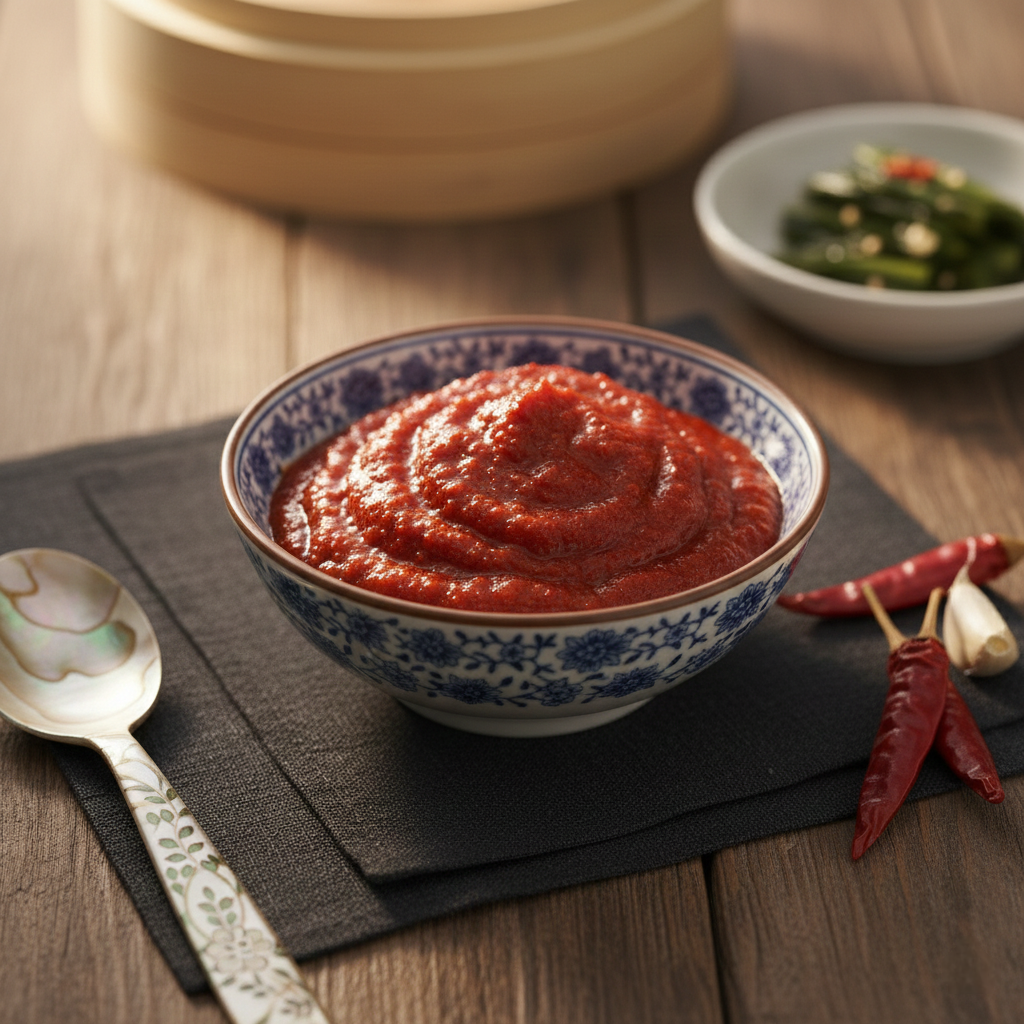
Gochujang embodies this philosophy. The heat is tempered with sweetness from fermented rice. It’s not about pain—it’s about balance. It teaches you to handle intensity with grace, to find sweetness within fire.
Sunchang: Korea’s Gochujang Capital
The most prized gochujang comes from Sunchang, a region in Jeolla Province with ideal fermentation conditions. During the Joseon Dynasty, it was supplied to the royal court. Today, “Sunchang Gochujang” is a protected designation like Champagne—the real stuff commands premium prices.
Understanding Spice Levels
- 순한맛 (Mild): Less chili, more sweet rice. Good for beginners.
- 중간맛 (Medium): Balanced. Most versatile for cooking.
- 매운맛 (Hot): High chili content. Serious heat.
Start with mild or medium. You can always add heat, but you can’t remove it.
How to Use Gochujang
In Bibimbap:
The iconic use—gochujang dolloped on mixed rice with vegetables and protein. When mixed thoroughly, it creates the unified flavor that defines bibimbap.
In Tteokbokki:
Forms the base sauce for spicy rice cakes, creating that characteristic glossy, red, sweet-spicy coating.
In Marinades:
Combine with soy sauce, sesame oil, honey, and aromatics for chicken, pork, beef, or tofu. The sugars caramelize beautifully when grilled.
As Gochujang Mayo:
Mix with mayonnaise, vinegar, and sugar for an approachable gateway sauce. Perfect for sandwiches or dipping.
In Stir-Fries:
Add in the last minute of cooking for instant Korean flavor.
Essential Tips:
- Burns easily at high heat—add near the end
- “Bloom” flavor by sautéing in oil briefly first
- Sweetness intensifies when cooked—adjust sugar at the end
- Too spicy? Add fat or sweetness, not liquid
→ Want recipes? Check our Complete Gochujang Recipe Guide for bibimbap, tteokbokki, and fusion ideas.
Quick Buying Guide for Ganjang, Doenjang, and Gochujang
Ganjang:
Look for “국간장” (soup) or “양조간장” (general). Check ingredients: should be soybeans, water, salt—avoid corn syrup as main ingredient. ($5-15 for quality)
Doenjang:
Choose “재래식” for traditional flavor. Should be chunky with visible soybean pieces. Darker = older/stronger. ($10-20 for good quality)
Gochujang:
Check spice level: “순한맛” (mild), “중간맛” (medium), “매운맛” (hot). “순창” label = premium. First ingredient should be chili or rice, not corn syrup. ($5-15)
Storage:
Refrigerate all three after opening. Use clean utensils. Normal signs: darkening, salt crystals. Concerning: mold (not fermentation), putrid smell, slime. White film on surface? Usually harmless yeast—scrape off and continue using if it smells fine.
From History to Your Kitchen
My grandmother never needed to read about these Korean fermented sauces. She learned by doing—by watching, tasting, adjusting, accumulating decades of intuition with ganjang, doenjang, and gochujang.
You won’t have that intuition immediately. But you have explicit knowledge combined with practical guidance. You understand why these sauces matter to Korean culture, and you have clear direction for using them.
Start simple:
- Use ganjang instead of salt in one soup this week
- Try gochujang mayo on a sandwich
- Make a simple doenjang dip for vegetables
Each time you cook with Korean fermented sauces, you’re participating in a tradition that has sustained Koreans for over a thousand years. You’re connecting to generations of Korean cooks who discovered that patience and fermentation create flavors that can’t be rushed.
Next in the Series
In Part 3, I’ll explore how Korean jang compares to similar fermented sauces worldwide—the detailed differences between doenjang and Japanese miso, gochujang and Chinese doubanjiang, when you can substitute one for another, and how to navigate fermented sauces with respect and understanding.
Ready to Cook?
- Essential Ganjang Recipes – Marinades, banchan, and techniques
- 5 Essential Doenjang Recipes – Jjigae, ssamjang, and creative uses
- Complete Gochujang Recipe Guide – Bibimbap, tteokbokki, and fusion
Continue the Series
- Part 1: 3 Korean Fermented Sauces Every Cook Should Know
- Part 2: Ganjang, Doenjang, Gochujang Guide ← You are here
- Part 3: Doenjang vs Miso: Can You Substitute? Complete Guide to Korean & Japanese Fermented Sauces
Shared by Oldtree of Mindgrove
Stories of Korea © 2025