
Welcome, friend.
I’m a Korean who has lived in Korea for a long time, and I want to share something special with you—the Korea that doesn’t always make it into travel guides or headlines. Not the surface-level stories you might already know, but the deeper narratives that Koreans themselves carry in their hearts and memories.
This isn’t a blog about K-pop idols or drama reviews (to be honest, I don’t know much about idols anyway!). This is about something more enduring: the symbols, histories, customs, and flavors that have shaped Korean life for centuries. This is about how Koreans have lived and continue to live today.
Why I Created This Space
Growing up and living in Korea, I’ve realized something important: there’s a vast difference between “seeing” Korean culture and truly “understanding” it. You can watch a hundred K-dramas and still miss the cultural nuances that make certain scenes meaningful. You can visit Seoul’s palaces without knowing the stories that echo through their halls. You can taste Korean food without understanding why certain dishes are served on specific occasions.
I want to bridge that gap. Not as an outsider looking in with fascination, but as an insider who wants to open the door wider and say, “Come in. Let me tell you what this ‘really’ means.”
What Makes This Blog Different
“I’m Korean.” This matters because the stories I’ll share aren’t filtered through translation or cultural interpretation. These are the stories I grew up with, the traditions my grandparents practiced, the meanings that Koreans understand instinctively but might not think to explain.
“I tell the truth.” I won’t exaggerate or fabricate. Korean culture is rich enough without embellishment. When I share something, you can trust it comes from genuine knowledge and lived experience.
“I go deep.” We won’t stay on the surface. We’ll explore the *why* behind everything—why certain colors appear in traditional ceremonies, why Koreans eat specific foods during festivals, why certain historical figures still matter in modern Korean consciousness.
“I’m still learning.” Even as a Korean, I recognize there’s always more to discover about my own culture. I’ll be studying and researching alongside you, uncovering layers of meaning that perhaps even many Koreans have forgotten.
The Stories I’ll Share
Ancient Symbols and Their Meanings
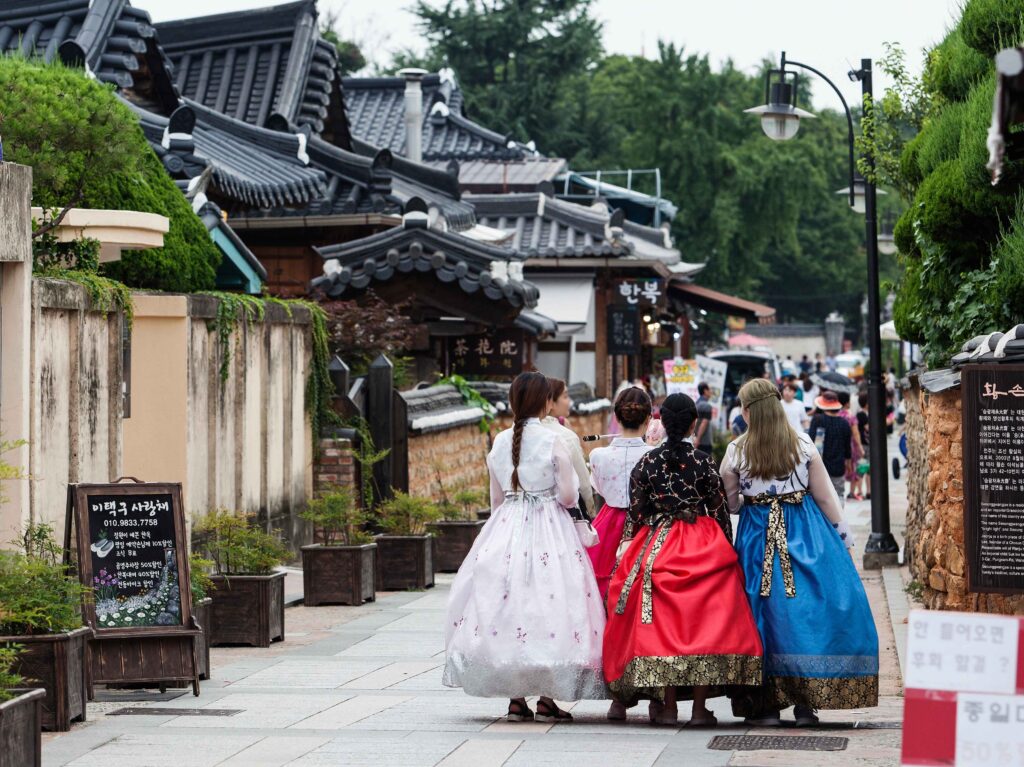
Korean culture is filled with symbols that carry centuries of meaning. The animals in traditional paintings, the patterns on hanbok fabric, the placement of objects in ancestral rites—nothing is arbitrary. Each symbol tells a story, conveys a wish, or represents a philosophical idea.
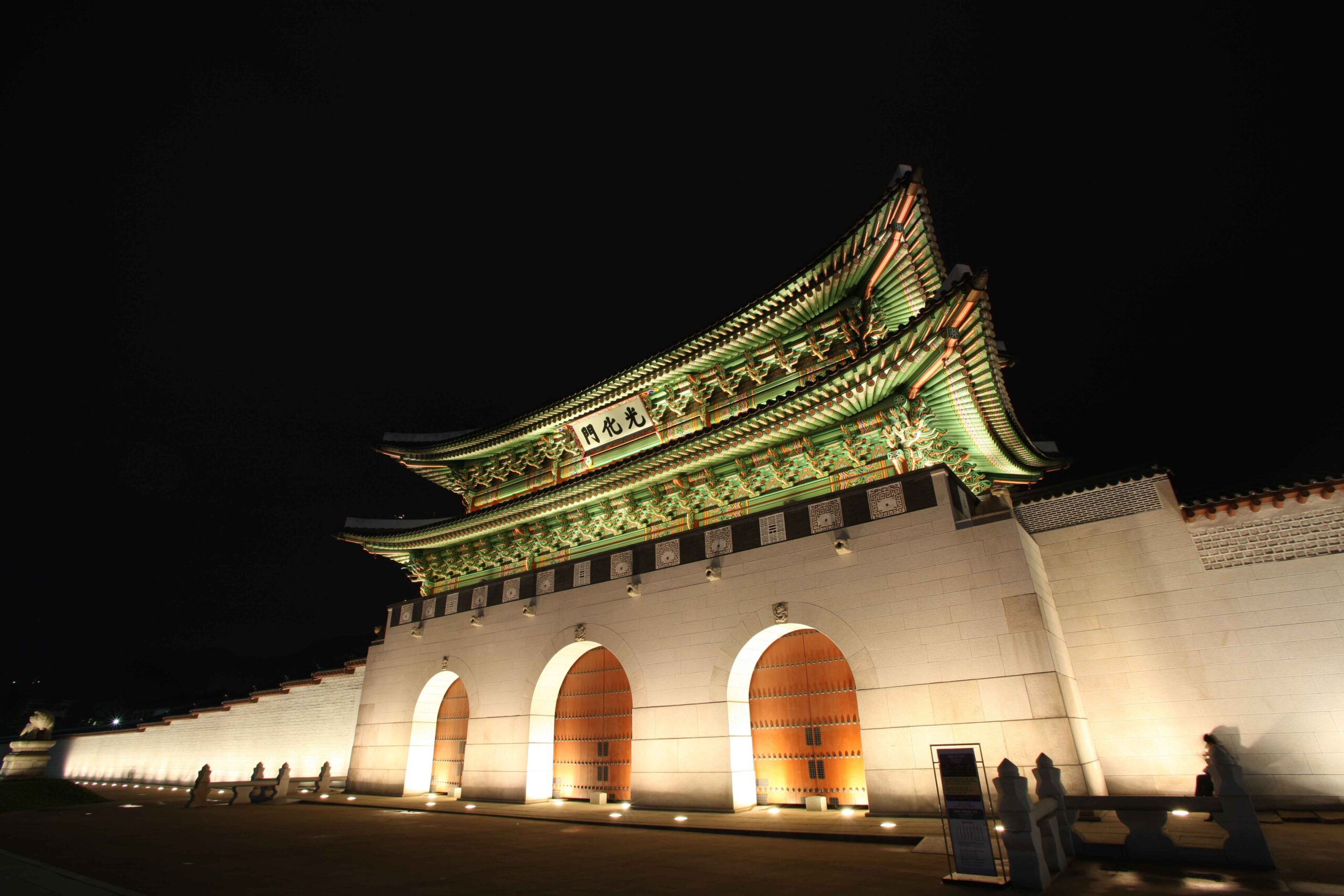
We’ll explore questions like: Why do tigers appear so often in Korean folk tales? What do the four guardian animals represent? Why are certain flowers associated with specific virtues? What do the trigrams on the Korean flag actually mean, and why were they chosen?

Historical Figures Who Shaped Korea
Korea’s history is filled with remarkable people whose stories deserve to be told beyond textbook summaries. Wise kings and tragic queens, brilliant scholars and courageous independence fighters, innovative inventors and compassionate monks.
These aren’t just historical footnotes—they’re people whose decisions, sacrifices, and innovations still echo in Korean society today. Understanding them helps you understand modern Korea.
Korean Customs and Traditions
Why do Koreans celebrate a baby’s first 100 days? What’s the significance of the 60th birthday? Why do we bow in a specific way to elders? What actually happens during ancestral rites, and why do families gather for them?
These customs aren’t quaint relics—they’re living practices that continue to shape Korean life and relationships. I’ll explain not just “what” we do, but “why” it matters and how these traditions have evolved over time.
Korean Food Culture: Beyond the Plate
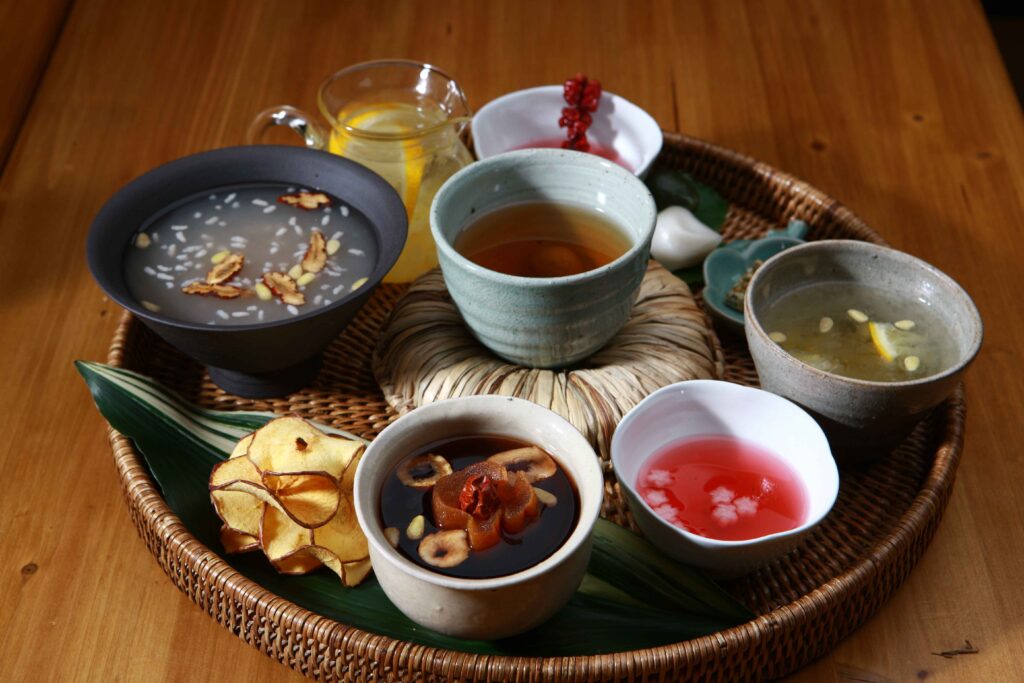
Korean food is having its moment internationally, but there’s so much more to understand beyond “this tastes good.” Why is kimchi served at every meal? What’s the meaning behind certain festival foods? Why do Koreans eat seaweed soup on birthdays? What role does food play in Korean family relationships and social bonding?
Food in Korea isn’t just nourishment—it’s medicine, ritual, memory, and love all wrapped together. Each dish has a story, a season, and a reason.
How Koreans Have Lived and Live Today
The Korean experience is one of remarkable transformation. Within living memory, Korea went from poverty to prosperity, from occupation to independence, from war to peace, from tradition to modernity. How did this happen? What did it cost? What was preserved and what was lost?
I’ll share stories of how Koreans lived in different eras—what daily life looked like, what people valued, what they struggled with. And I’ll connect those past experiences to present realities, showing how history continues to shape Korean attitudes and behaviors today.
Understanding Korean Dramas Through Cultural Context
While I won’t review specific dramas or discuss idol groups, I “will” help you understand the cultural elements that appear in Korean media. When you’re watching a historical drama and see a character wearing specific colors or performing certain rituals, you’ll know what it means. When a modern drama shows characters celebrating Chuseok or navigating complex family relationships, you’ll understand the deeper significance.
This cultural context will make your viewing experience richer and more meaningful. You’ll stop just watching and start truly understanding.
My Promise to You
I promise to:
– Share authentic knowledge, not exaggerated stories
– Explain things clearly
– Acknowledge when I’m uncertain and research further
– Connect historical context to present-day Korea
– Welcome your questions and curiosity
– Keep learning alongside you
What I won’t do:
– Pretend Korea is perfect or exoticize my own culture
– Share information I’m not certain about
– Focus on celebrities or entertainment industry gossip
Let’s Journey Together
Here’s the beautiful thing about culture: even those of us who grew up in it can always learn more. As I research and write these posts, I’ll be deepening my own understanding of Korean culture. In that sense, we’re fellow travelers—I’m just a few steps ahead on paths I’ve walked before, ready to point out what I’ve learned.
The Korea I’ll share with you is the Korea of quiet temple bells and bustling market haggling, of ancestral reverence and technological innovation, of bitter historical memories and resilient hope. It’s the Korea that exists in the space between what visitors see and what Koreans know.
What You’ll Find Here Each Week
Every week, I’ll publish a new post diving deep into one aspect of Korean culture. Some topics will be:
– Symbolic Meanings: The hidden language of colors, animals, plants, and patterns in Korean culture
– Historical Deep Dives: Stories of people and events that shaped Korea
– Cultural Practices: Understanding Korean customs, rituals, and social conventions
– Food Stories: The history, meaning, and cultural significance of Korean dishes
– Seasonal Traditions: What Koreans do during different seasons and why
– Life in Korea: How Koreans experience different life stages and relationships
– Drama Culture Explained: Decoding the cultural elements you see in Korean media
Join Me on This Journey
I’m excited to share these stories with you. Whether you’re learning Korean, planning to visit, or simply curious about the culture, I hope these posts will give you a deeper, truer understanding of Korea.
This blog is my way of honoring my heritage while sharing it with the world. It’s my attempt to preserve knowledge that might otherwise fade and to build bridges of understanding across cultures.
Before we begin our first deep dive next week, I’d love to hear from you:
“What aspect of Korean culture have you always wondered about?” Is there a custom you’ve seen but don’t understand? A historical period that intrigues you? A cultural practice that seems mysterious?
“Have you encountered Korean culture in ways that left you with questions?” Maybe something in a drama that puzzled you, or a tradition you observed but couldn’t quite grasp?
“What would make this blog most valuable for you?” What kind of stories and explanations would help you understand Korea more deeply?
Share your thoughts in the comments. Your questions will help guide the stories I tell.
Welcome to this journey into the heart of Korean culture. Welcome to “Stories of Korea”.
Shared by Oldtree of Mindgrove
Stories of Korea © 2025
Comments
One response
Hi, this is a comment.
To get started with moderating, editing, and deleting comments, please visit the Comments screen in the dashboard.
Commenter avatars come from Gravatar.