
Food & Life
Experience Korean life through its food and customs — kimchi, kimbap, seasonal rituals, and the everyday culture of sharing and community.
-
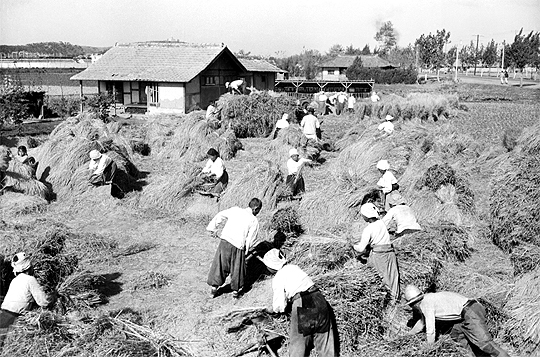
Is Korean Gosari Safe to Eat? Bracken Fern Toxicity & Preparation Explained
Quick Answer Gosari (고사리, bracken fern) contains ptaquiloside, a compound the WHO classifies as “possibly carcinogenic to humans.” Raw bracken has caused bladder cancer in cattle and appears in studies on gastrointestinal cancer in people who eat it daily without proper preparation. But Korean traditional methods—boiling young shoots for 10+ minutes, then soaking them in
-
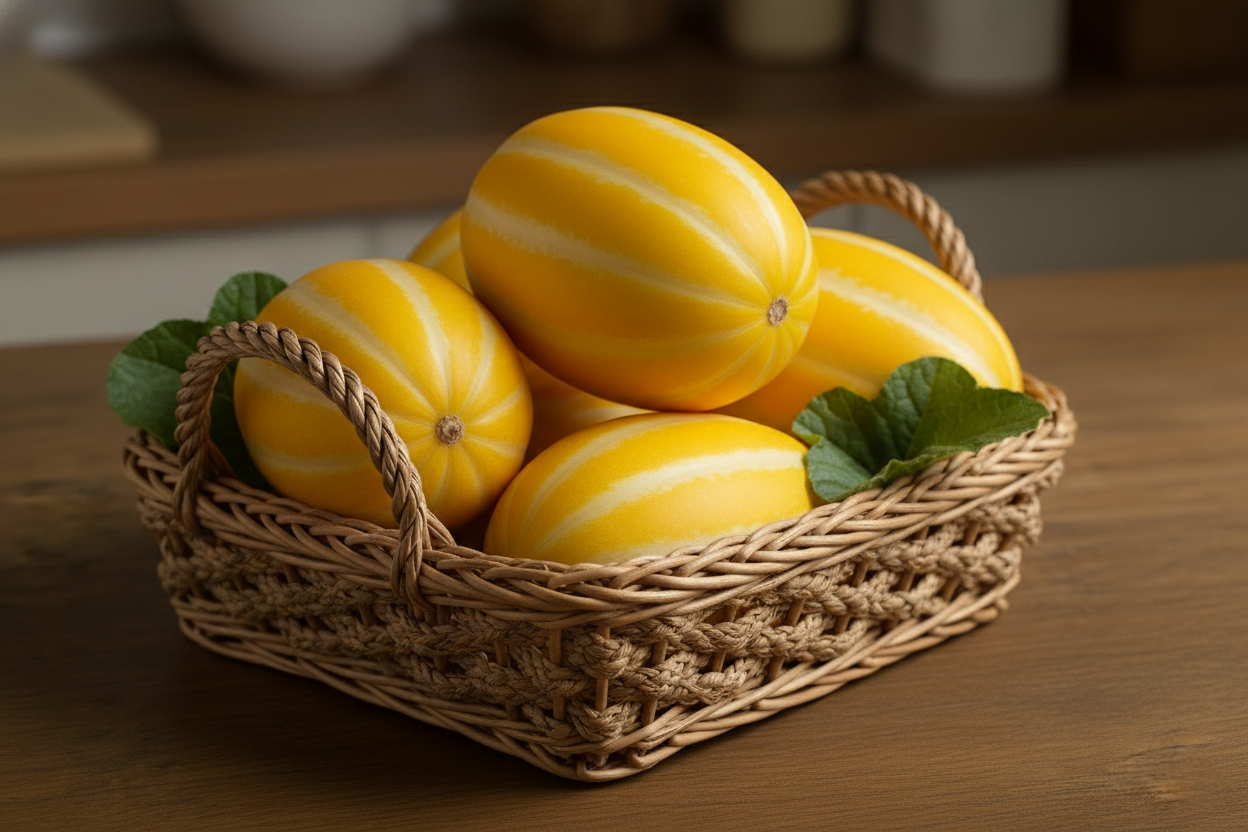
What Is Chamoe? The Korean Melon That Tastes Like Honeydew and Cucumber
Quick Answer (TL;DR) Chamoe (참외) is a Korean yellow melon that tastes like a cross between honeydew and cucumber. It’s eaten almost exclusively by Koreans because the West preferred sweeter melons, Japan switched to Western-style melons in the 1960s, and Korea spent 70 years perfecting it while everyone else moved on. The fruit is 90%
-
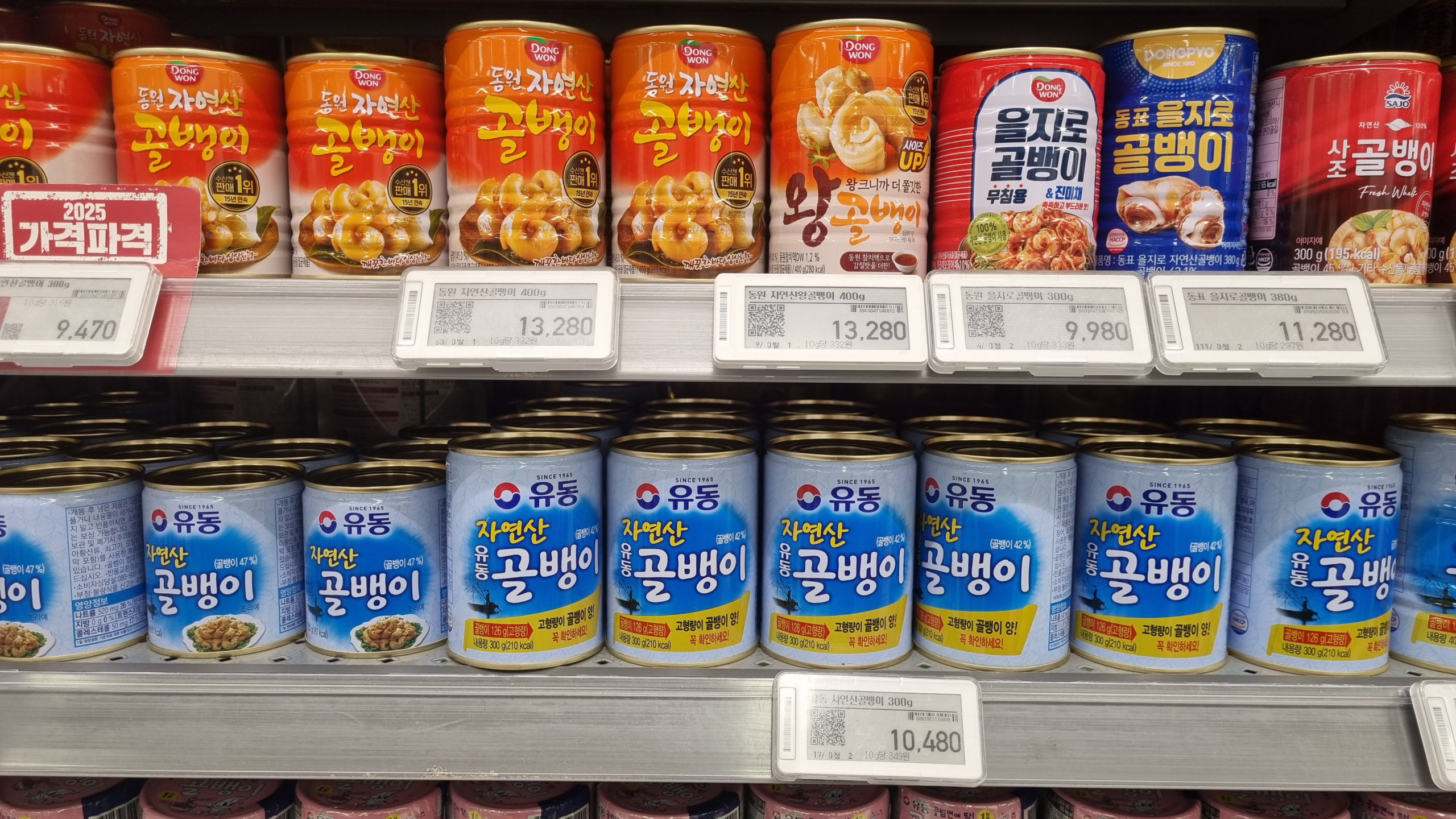
What Is Golbaengi? Korean Sea Snails British Fishermen Won’t Eat
Quick Answer Golbaengi (골뱅이) are Korean sea snails, specifically whelks, served as Korea’s most popular drinking snack. Here’s what makes them unusual: Korea imports 90% of its golbaengi from British fishermen who refuse to eat them, calling them “fishing bait” or worse—one Welsh fisherman who caught them for 20 years compared them to “grandmother’s toenails.”
-
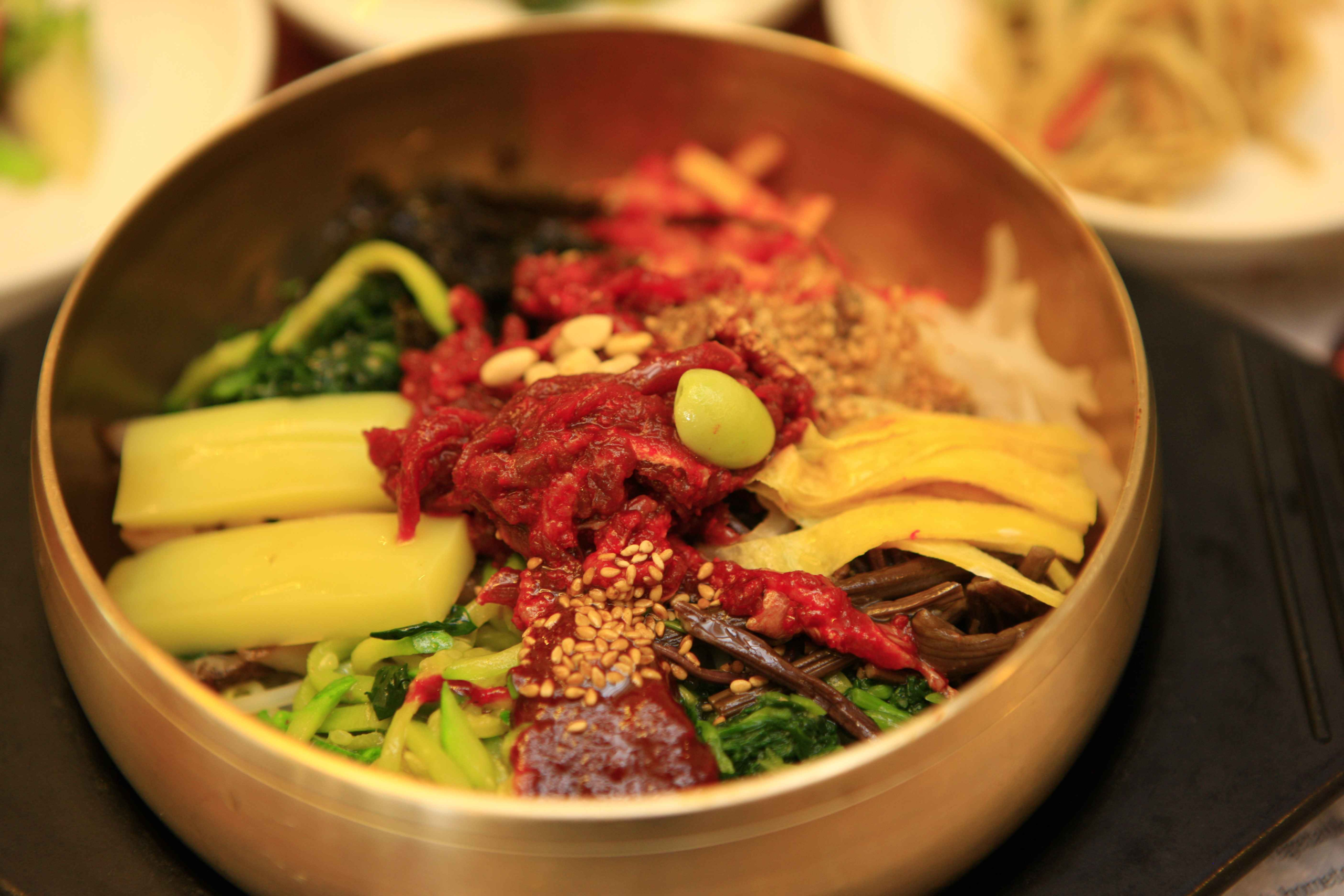
5 Easy Gochujang Recipes Even Beginners Can Master
![5 gochujang recipes featured image] Alt text: Five easy gochujang recipes including bibimbap, tteokbokki, and Korean fried chicken displayed on white background That tub of gochujang in your fridge doesn’t have to be intimidating. Korea’s famous fermented chili paste brings sweet, spicy, savory, and umami flavors to everything—but knowing where to start is half the
-
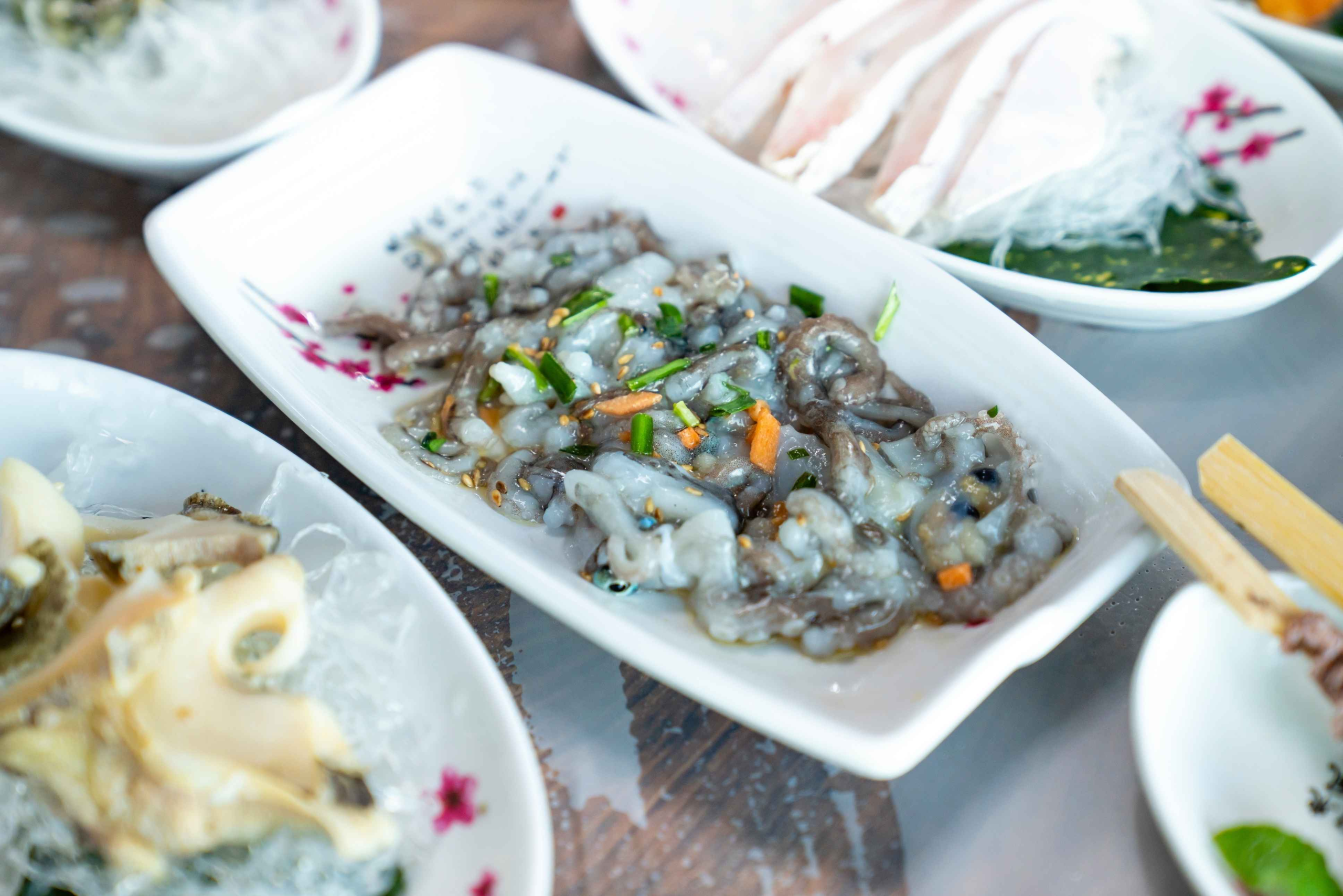
Sannakji Korean Food: Why Do Koreans Eat Live Octopus?
Quick Answer (TL;DR)Koreans eat live octopus (sannakji) for three reasons: Important safety clarification: Why This Question Comes Up My American friend turned pale when she saw sannakji arrive at our table. “That’s still alive,” she whispered, watching tentacle pieces crawl across the plate. The Korean woman next to us laughed. “Of course! That’s the whole
-
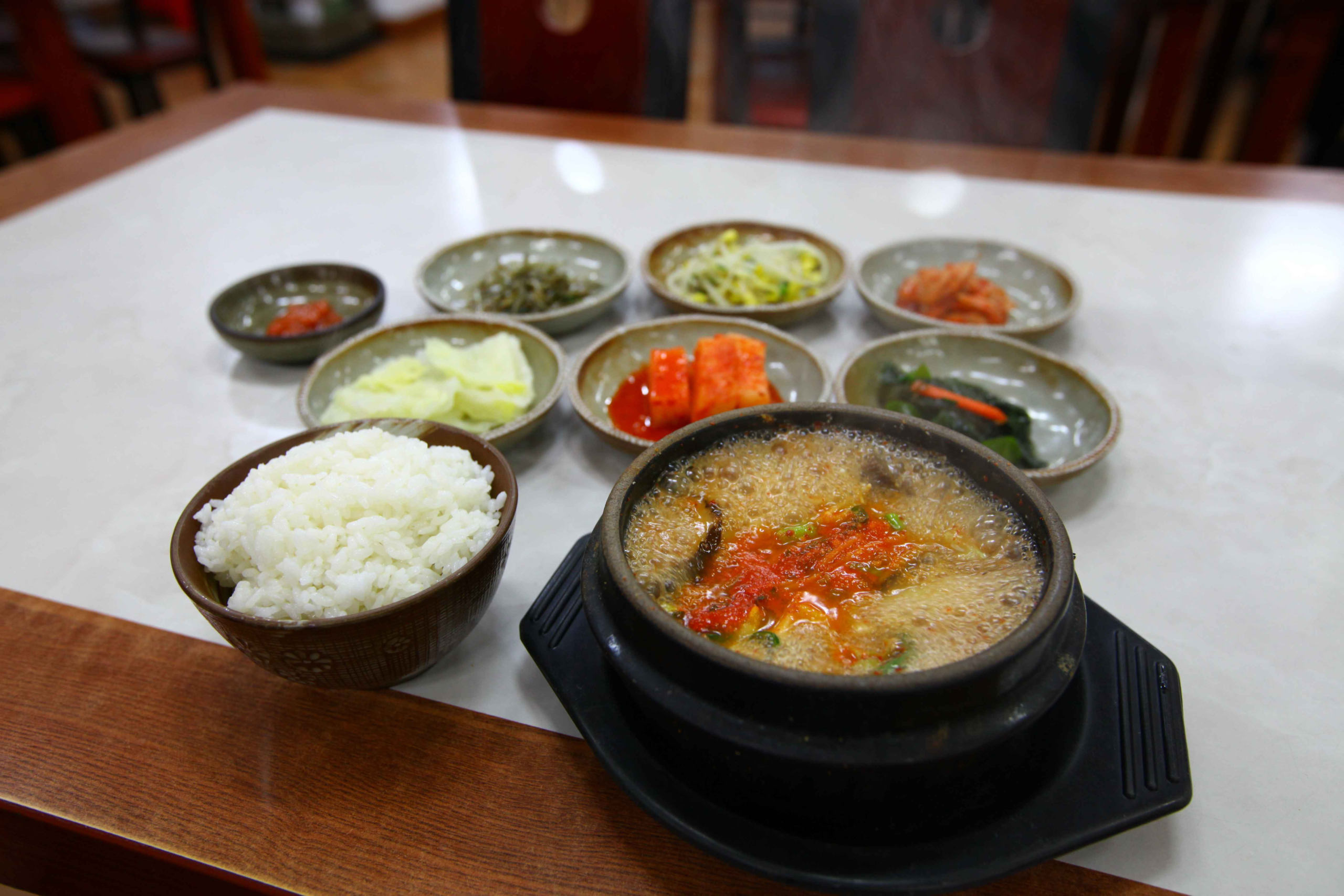
Doenjang vs Miso: Can You Substitute? Complete Guide to Korean & Japanese Fermented Sauces
Can You Substitute Miso for Doenjang? (Quick Answer) Can you substitute miso for doenjang? I get this question constantly from home cooks staring at their pantry, wondering if that jar of miso can save their Korean recipe. The honest answer: it depends on what you’re cooking. Both are fermented soybean pastes. Both deliver umami. But
-
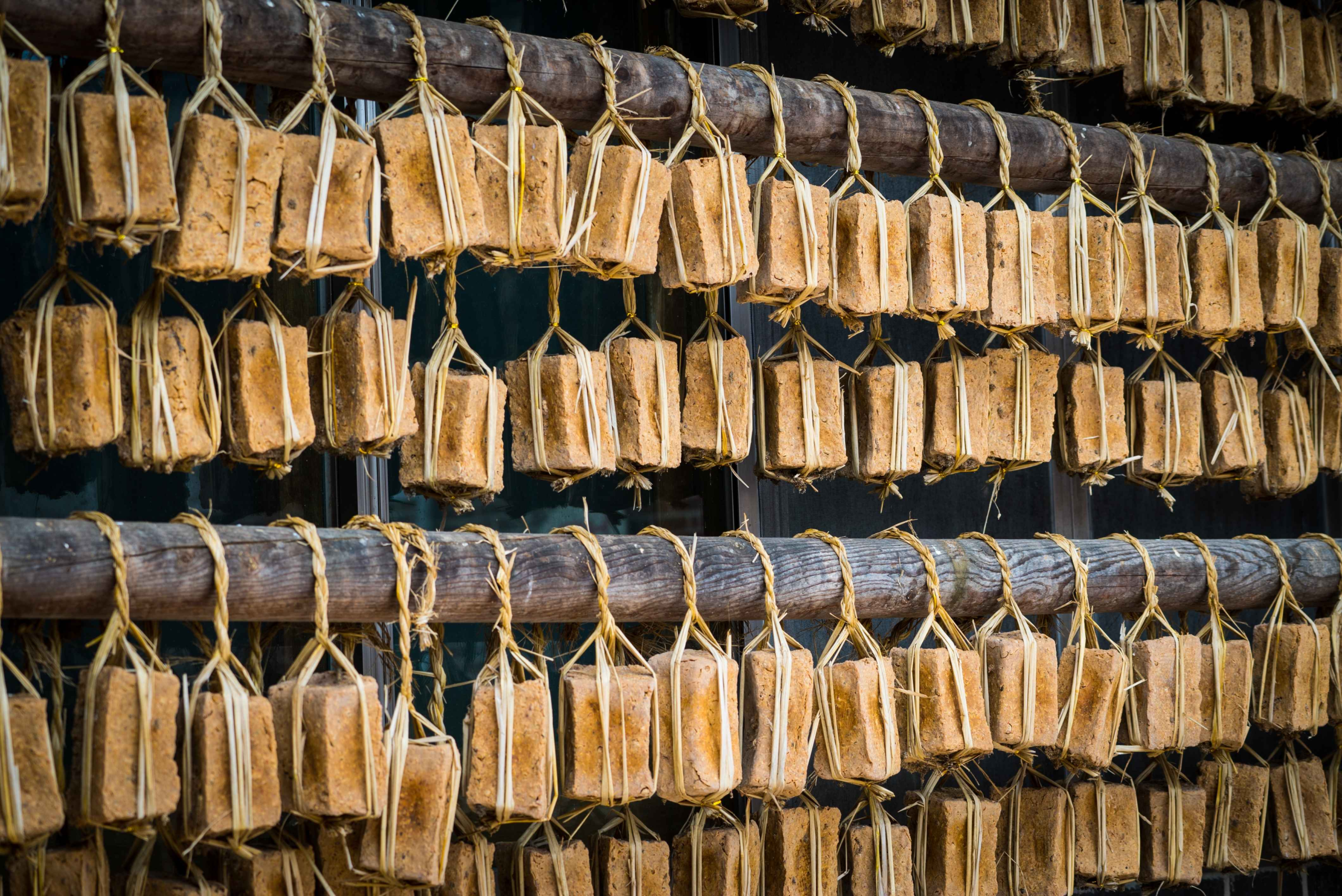
Ganjang, Doenjang, Gochujang: Complete Guide to Korean Sauces
If you’ve explored Korean cooking, you’ve probably encountered three mysterious names: ganjang, doenjang, and gochujang. They’re Korea’s essential fermented sauces—but what exactly are they, and why does Korean cuisine rely on them so heavily? These aren’t just condiments. They’re the result of 2,000 years of fermentation wisdom, each with distinct flavors, histories, and uses. Understanding
-
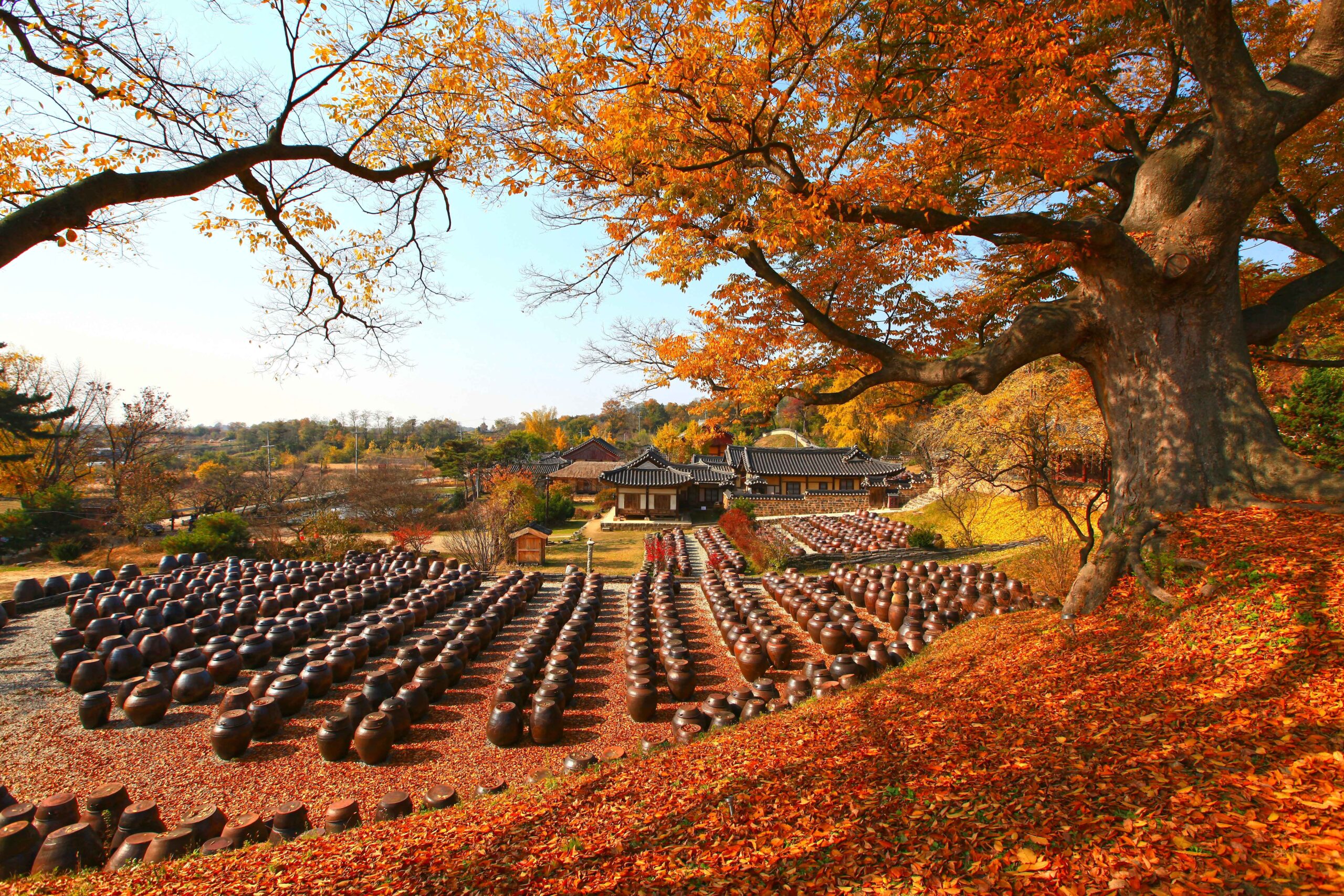
3 Korean Fermented Sauces Every Cook Should Know (From My Grandmother’s Kitchen)
If you’ve tried Korean food, you’ve probably tasted doenjang or gochujang — but many foreigners confuse them with miso or hot sauce.In Korea, these sauces are not just condiments, but a way of life. If you’ve ever wondered what makes Korean food taste so deeply savory—that umami richness you can’t quite place—the answer is probably
-
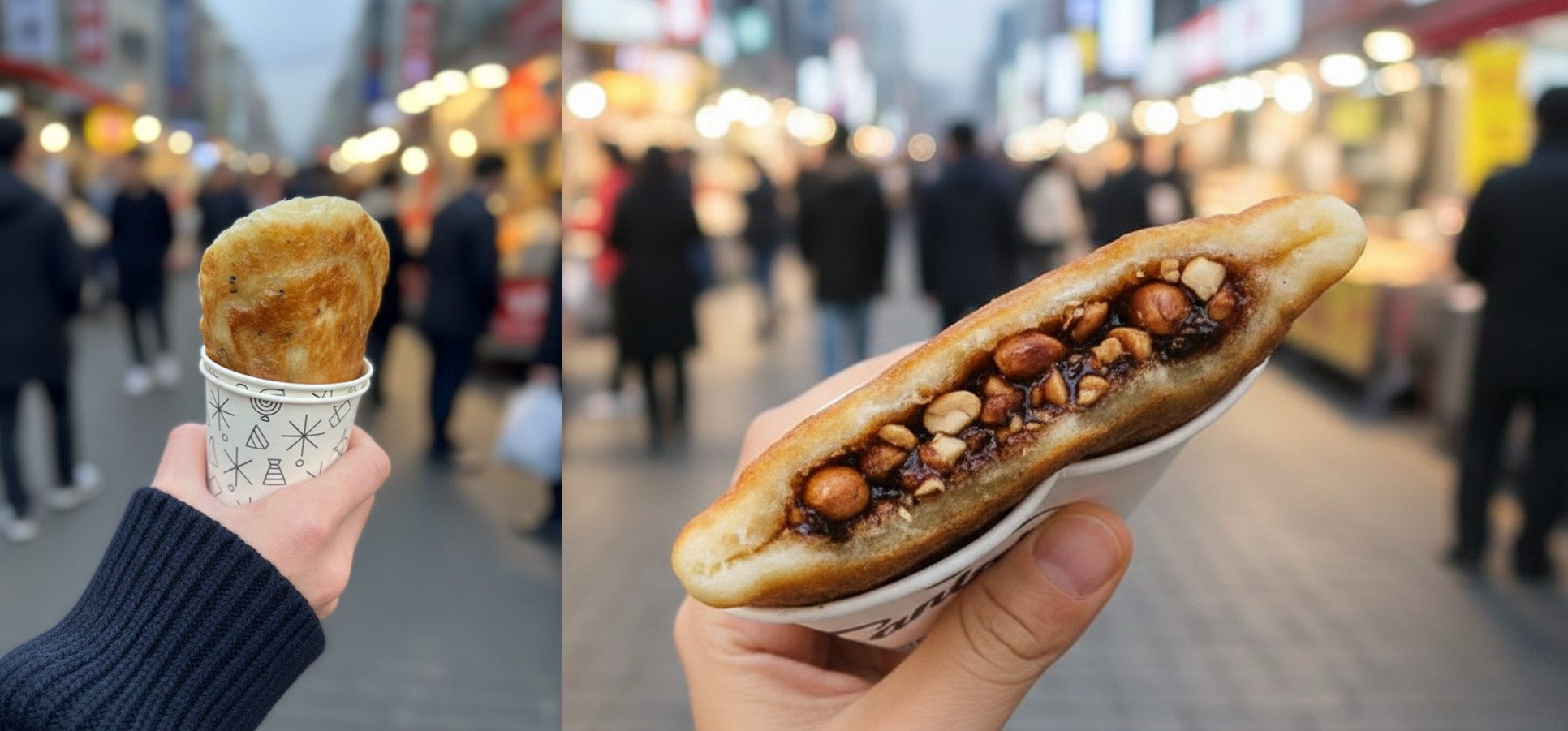
Korean Street Food Guide: What to Eat on a Winter Night in Seoul
Your First Winter in Seoul Picture this: You’re walking through Seoul on a December evening, and the temperature has dropped to freezing. Then you smell it—something sweet and warm drifting through the cold air. You follow the scent to a small cart where an elderly vendor is pressing golden pancakes on a hot griddle. Steam
-

K-drama Food Culture: “Mr. Queen” and “Bon Appétit, Your Majesty”
Two Dramas, One Irresistible Recipe I’ll admit something: when I first heard about “Bon Appétit, Your Majesty” (폭군의 셰프), my immediate thought was, “Wait, didn’t we just do this with Mr. Queen?”(철인왕후) A modern chef falls into the past. Check. Ends up in a Joseon palace. Check. Wins over a difficult king with K-drama food